
SpringsAtlas

Japan · Kansai

Hot springs in Yunomine

1Springs
93°CAvg temp
1Public baths
0Free entry
1Near train
11 hotels nearby5 dining options nearby2 convenience stores nearby5 attractions nearby
Yunomine Onsen, Yunomine

Yunomine Onsen

Yunomine · Kansai

92.5°CPublic Bath

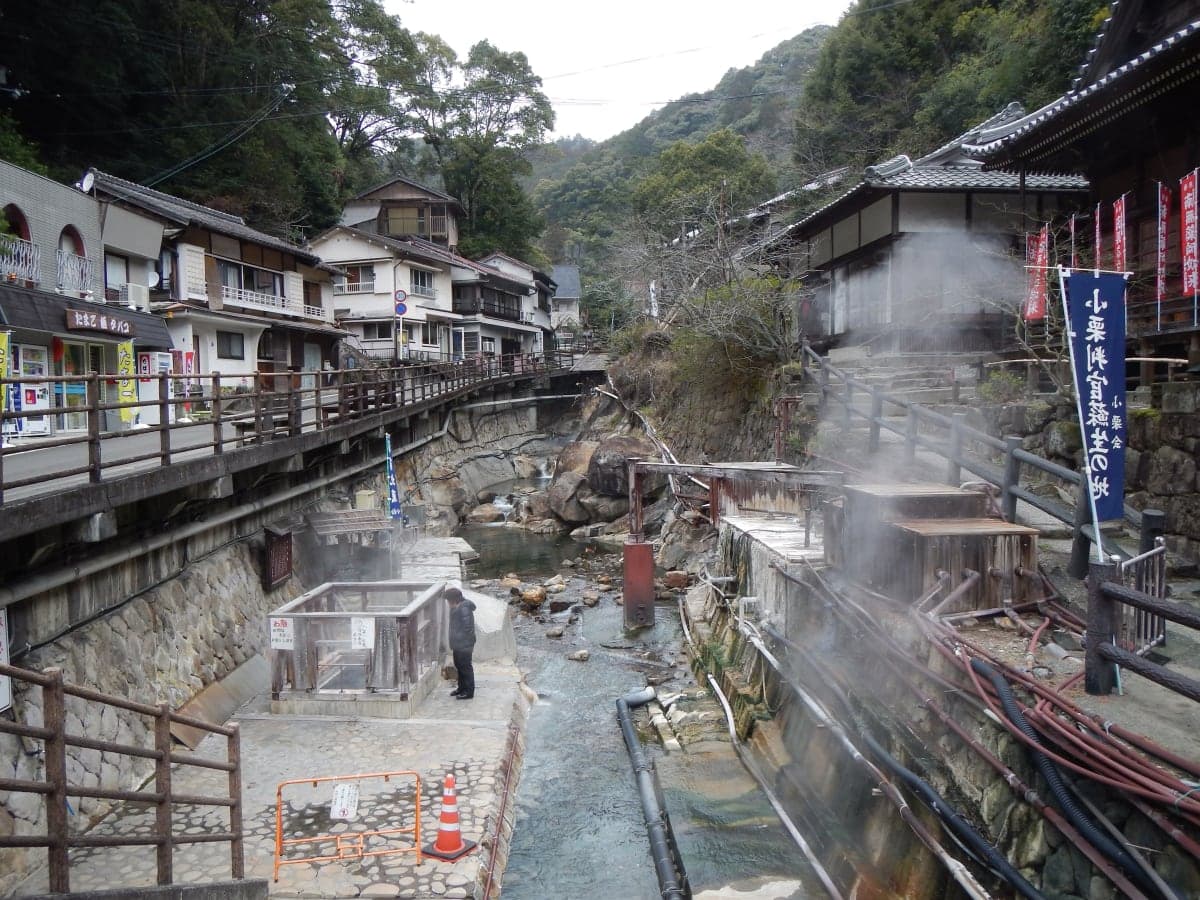
One of Japan's oldest thermal springs, discovered over 1,800 years ago in a narrow valley of the Kii Mountains along the Nakahechi Trail of the Kumano Kodo pilgrimage route. The waters here are said to change color seven times a day due to shifts in temperature and mineral concentration. Tsuboyu, a tiny stone-lined pool fitted inside a small wooden cabin, is the only UNESCO World Heritage registered bathing site in the world.

Yunomine Onsen · 0.1 km

Compare

Common questions

Frequently asked questions

Most hot springs in Yunomine charge an entrance fee. Check individual listings for the most current pricing information.

Hot springs in Yunomine average around 93°C. Individual springs range from relaxing warm baths to intensely hot therapeutic pools — always check the temperature rating before entering.

Yunomine is accessible by Shinkansen and local rail from major Japanese cities. Check individual spring listings for detailed transit directions from your starting point.

Yes. Yunomine has 1 public bath well-suited to first-time onsen visitors. Rinse thoroughly before entering, no swimming, and keep noise to a minimum.

Spring (March-May) or autumn (September-November) are ideal for visiting Yunomine Onsen due to mild weather and beautiful natural scenery. These seasons offer comfortable temperatures for exploring the onsen town and its surroundings. is considered the ideal time to visit Yunomine. Hot springs are a year-round attraction — winter visits are especially popular as the contrast between cold air and hot water creates a uniquely atmospheric soak.

About

About hot springs in Yunomine

Yunomine Onsen is one of Japan's oldest thermal spring systems, nestled in a deep valley within the Kumano mountain range. Known for its UNESCO World Heritage site, Tsuboyu Bath, this onsen town offers a unique experience with its small, stone-lined soaking pool that fits only one or two people at a time. Legends speak of the 'miraculous healing' properties of its waters, which are said to change color seven times daily and were discovered flowing from a statue of Yakushi Nyorai, the Buddha of healing. The town's spiritual allure is enhanced by its connection to the Kumano Kodo Pilgrimage Route, attracting visitors seeking both relaxation and cultural enrichment.