I went to Sapporo, Hokkaido for the very first time in November 2024.
It was our second stop on the trip. We started in Osaka with both sets of parents. My parents and Ryan's parents all together. If you have ever travelled with six adults who all have different opinions about where to eat lunch, you will understand what kind of adventure that was. We survived Osaka. Barely.
After Osaka we flew from Kansai International to New Chitose Airport. The moment we stepped off the plane the air hit us like a cold, clean wall. The kind of cold that makes you stand up straight whether you want to or not. Everyone in our group immediately started pulling jackets out of carry-on bags that were definitely not packed for this temperature.
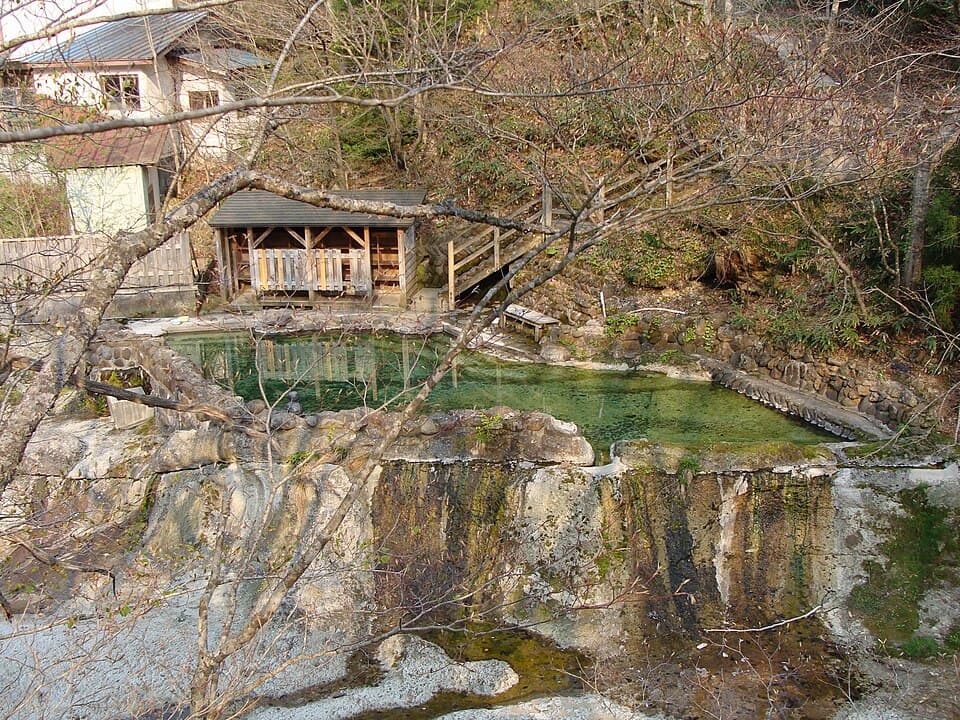
Going to Hokkaido, we all agreed that we had to try the onsens. For me this was not up for debate. I had been reading about Hokkaido's hot springs for months before the trip. If I left Hokkaido without soaking in one I would not be able to forgive myself.
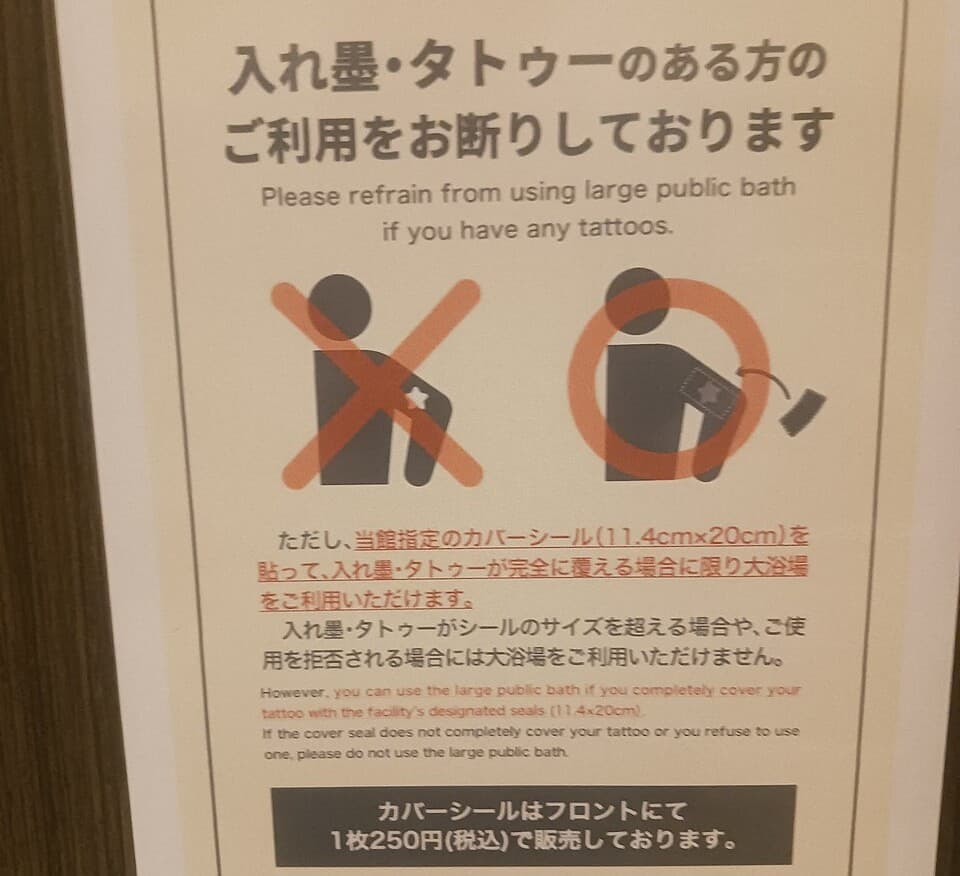
Now, the tattoo situation. I have a small tattoo on my upper right back. At one of the facilities, a staff member noticed it and came over. She was very polite, very gentle about it, and handed me a small skin-coloured patch to cover it with. She mimed putting it on her back and smiled the whole time. I understood exactly what she was asking even though neither of us spoke the other's language. Honestly? It was one of the most graceful customer service moments I have ever experienced. Policy is policy and they handled it beautifully. If you have a tattoo, my honest advice: call the facility ahead of time, or check the listing on SpringsAtlas. It saves everyone the awkward mime show at the door, charming as it was.
That first November trip is what started this for me. What began as one item on a family itinerary became something I now seek out on every trip to Japan. This guide is everything I have learned since then.
---
What makes Hokkaido onsen different
Hokkaido is not just Japan's northernmost island. It is a place that gets under your skin.
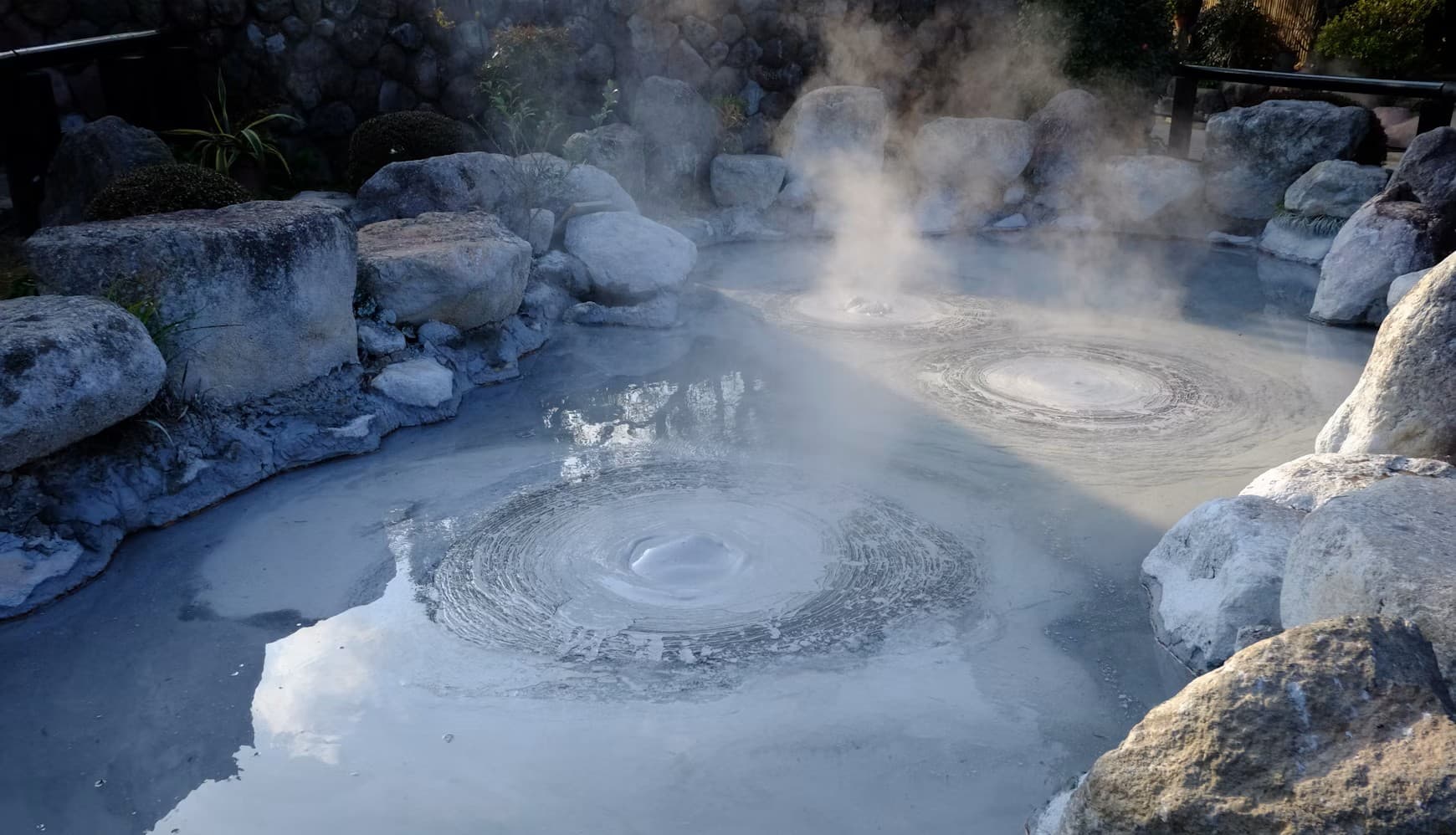
The island sits on top of one of the most geologically active zones in the world. Volcanic peaks, caldera lakes, steaming valleys. The island produces more than 250 distinct hot spring sources, and each one has its own mineral character, its own temperature, its own personality.
Unlike the polished resort towns you find in Honshu, many of Hokkaido's onsen districts still feel a little raw and frontier-like. A lot of them were developed during the Meiji era, when Japan was trying to attract settlers to the island. That sense of remoteness never fully left.
I love that about it.
Noboribetsu, where you start
If someone asked me where to begin a Hokkaido onsen journey, I would say Noboribetsu without hesitating.
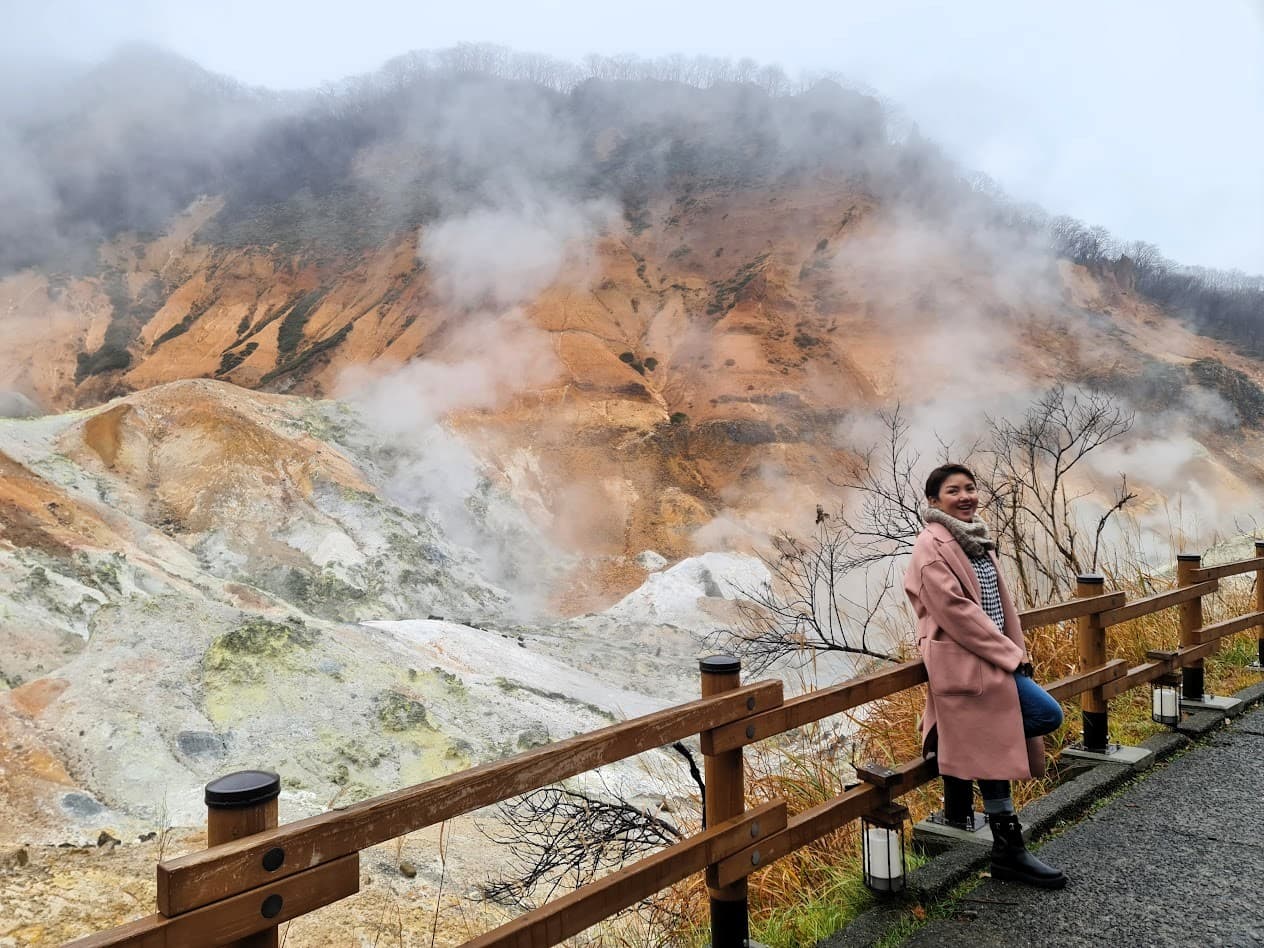
The town sits at the edge of Jigoku-dani, which translates as Hell Valley. The name is accurate. Volcanic craters vent clouds of hydrogen sulfide gas, and the ground is stained vivid ochre and white from centuries of mineral deposits. Nine distinct spring types rise from beneath the valley floor, which gives Noboribetsu a mineral variety you simply cannot find anywhere else in Japan.
The flagship bathhouse, Dai-ichi Takimotokan, channels water from all nine sources into 35 pools spread across multiple floors. The experience has a beautiful rhythm to it. You move from warm stone-lined indoor halls through sliding doors into the outdoor rotenburo, where steam rises against a backdrop of forest and volcanic rock.
You can visit for the day without staying overnight. I recommend booking ahead in winter, because domestic tourists pack the place on weekends.
Before or after your soak, walk the Jigoku-dani path. It takes about 20 minutes to complete the circuit. Steam vents right beside you. Mud pools bubble audibly. The sulfur smell is overwhelming at first, and then something shifts and it starts to feel like exactly where you are supposed to be. Our group stood at the edge of one particularly dramatic vent and someone said "it smells like the earth is boiling eggs." They were not wrong.
Jozankei, Sapporo's quiet retreat
Just 40 minutes by bus from central Sapporo, the Jozankei valley feels like a secret the city keeps for itself.
The setting is classically Japanese. A wooded river gorge, stone bridges, the Toyohira River running cold and clear below. There are riverside foot baths that anyone can use for free, which I find a wonderful gesture. No fee, no booking. Just take off your shoes and sit for a while. I made the mistake of doing this in November in open sandals. My feet were very refreshed. My toes were briefly in danger.
In autumn, the maple trees turn the valley walls into something extraordinary. Red and gold, as far as you can see. Many visitors time their Hokkaido trip around the foliage, and honestly, I understand why.
The sodium chloride waters here are gentler than Noboribetsu's volcanic springs. Clear, slightly salty, wonderfully soft on the skin. The large resort hotels offer day-bath entry, and several have outdoor pools looking directly out over the river.
Noboribetsu or Jozankei, which one?
Both, if you can manage it.
But if you have to choose: Noboribetsu gives you greater spring variety, more dramatic volcanic scenery, and a real onsen-town atmosphere where everything revolves around the baths. Jozankei gives you easier access from Sapporo, the best autumn foliage in Hokkaido, and beautifully appointed resort hotels.
If your schedule allows, one night in each, Noboribetsu for the volcanic drama and Jozankei for the river forest setting, makes for a near-perfect Hokkaido onsen itinerary.
What the water actually does to you
I am a designer, not a chemist. But I have soaked in enough different springs across Japan to trust what I feel in my own body.
The sodium bicarbonate waters at Jozankei leave your skin noticeably softer after about 20 minutes. Japanese bathing culture has a name for this. They call it bijin-no-yu, which means beautiful-skin water. After my first soak there, I kept touching my arm on the bus ride back because I could not believe how smooth it felt. Ryan noticed before I did, which either means the water really works or means he was paying closer attention than I was.
Noboribetsu's sulfur springs work differently. They have a warming quality that goes deeper than the heat alone. After my first sulfur bath there, my shoulders, which is where I carry all my tension, felt genuinely loose for two full days.
Different mineral compositions produce different effects on the body. Hokkaido's geological variety means you can experience several of them in a single trip. That is a remarkable thing, if you think about it.
Navigating without speaking Japanese
I should be honest about something: I do not speak Japanese. At all. My total vocabulary at the time of my first Hokkaido trip was "arigatou" and whatever food words I had picked up from watching too much Japanese cooking television.
And yet I never once felt lost or unwelcome at any onsen.
The staff at most facilities have seen enough international visitors to communicate everything important without words. The tattoo cover patch mime I described earlier is a perfect example. At one bathhouse a very kind attendant actually walked me through the bathing procedure step by step using hand signals that somehow conveyed "rinse here, then soak there, and please do not bring your phone." I nodded enthusiastically at each step as if I had always known this.
Google Translate camera mode is genuinely useful for reading signs you do not understand. Point it at any sign and it will attempt a translation. The attempts are not always accurate. "Please do not use the bath if you have skin conditions" once came out as "No rash racing." I was confused for a moment but I understood the spirit of the message.
My advice: smile, be patient with yourself and the staff, follow what other bathers are doing, and do not worry. The whole experience is much more forgiving than you might expect.
How to get there
Hokkaido is best reached through New Chitose Airport, which connects to JR Sapporo Station in about 40 minutes by the rapid airport train.
From Sapporo, you have two directions to go.
For Noboribetsu, take the JR Muroran Main Line to Noboribetsu Station. The journey takes 50 to 70 minutes. From the station, the Donan Bus runs to Noboribetsu Onsen in about 20 minutes. Buses run roughly once an hour, so check the schedule before you arrive.
For Jozankei, take the Hokkaido Chuo Bus directly from Sapporo's Odori Station. The ride is about 55 minutes. There is no train connection to Jozankei, so the bus is your only option.
A JR Hokkaido pass covers the rail portion of the Noboribetsu journey and pays for itself quickly if you are doing multiple trips across the island.
A few practical things I wish someone had told me
The onsen season in Hokkaido runs year-round, but the experience changes significantly with the season.
Winter, from December through February, is when the outdoor baths are at their most magical. Midweek visits in January or February are often surprisingly quiet. Weekends fill fast with domestic visitors who have the same idea as you.
Spring brings fresh green leaves and cool air that makes the heat of the bath feel even better. Autumn, from late October through mid-November, is the most visually spectacular time to visit. Summer is the least dramatic for outdoor bathing, since the contrast between the hot water and the air nearly disappears. Higher-altitude baths are still enjoyable.
About tattoo policies again: the larger resort facilities are strict, and they have to be. Smaller family-run onsen are often more flexible. The polite thing to do is call ahead or check the listing page on SpringsAtlas. They will not embarrass you at the door if you ask beforehand.
Day-bath entry at major Noboribetsu facilities typically runs between 1,000 and 2,500 yen, roughly 7 to 17 US dollars. Jozankei resort hotels charge a little more.
Pack a small tenugui towel if you have one. It is thin cotton, dries quickly, and is exactly the right tool for carrying between pools. Most facilities also rent towels if you do not have your own.
Hokkaido changed the way I think about travel. Sometimes the point is not to see something. Sometimes the point is to feel something. A hot spring in the middle of winter, steam rising into cold dark air, is about as close to that feeling as I know how to get.
And if the earth smells like it is boiling eggs, that just means the hot spring is especially good.