No photo available
Public · Indoor & Outdoor · ¥1,250
4.3· 5,029 reviewsvia Google
13–14°CWater temp
5.8pH
¥1,250 (~$9)Entry fee
PublicBathing type
—Opening hours
About this spring
A radium mineral spring resort in a forested valley near Nakatsugawa, Gifu Prefecture. The spring contains the highest natural radium content of any hot spring in Japan. The surrounding 80,000-square-meter forested site is organically cultivated. The name rosoku means candle in Japanese, a reference to the way radon gas rises silently and invisibly from the spring, like the unseen burning of a flame.
Data: Wikipedia (CC BY-SA 4.0) · OpenStreetMap (ODbL)
Highlights
- Highest radium content in Japan
- 80,000 sq-m organic forest site
- Nakasendo highway heritage
- Radon therapeutic tradition
Suitability
Tattoo policy
Not permitted
Children policy
Family-friendly
Altitude
400m
Mineral chemistry
Sulfur
Benefits
Sulfuric hot springs are among the most studied in Japanese balneology. The sulfur compounds — primarily hydrogen sulfide and thiosulfate — have documented antimicrobial and anti-inflammatory properties. Regular bathing is associated with relief from chronic skin conditions including eczema and psoriasis, as well as joint inflammation and muscle soreness. Sulfuric waters have been prescribed in Japanese medical practice since the Edo period.
Note
The distinctive rotten-egg smell dissipates quickly after leaving the bath. Avoid if you have a sulfur allergy, very sensitive skin, or respiratory conditions. Remove silver jewellery before entering — sulfur will blacken it permanently.
History
The spring belongs to the tradition of radioactive radon therapy that was embraced in Japan in the late Meiji and Taisho periods, following European medical interest in low-dose radiation for treating neuralgia, rheumatism, and circulatory conditions.
The Kiso Valley where the resort sits was historically part of the Nakasendo highway route, one of the two great Edo-period trunk roads linking Edo and Kyoto, giving the area a long association with travellers seeking rest and restoration.
Local guide
Getting to the Oki Islands requires a ferry from Sakaiminato or Shichirui Port in Shimane, a crossing that takes between two and three hours depending on the route and the weather. The Sea of Japan in summer is manageable. In winter it is not, and the ferry schedule makes its own decisions. When you arrive at Dogo, the largest of the Oki Islands, the pace drops so completely that the mainland feels like a different country. The island has no conbini on every corner, no expressways, and the roads wind through cedar forest and volcanic rock formations that look like they were arranged by someone with strong opinions about stone.
Rosoku Onsen sits on Dogo Island in Goka village at the northeast end of the island, and it is the only hot spring facility on Dogo. The name rosoku means candle, a reference to Rosoku-jima, the narrow spire of volcanic rock that rises twenty meters out of the sea about five hundred meters offshore. On calm summer evenings, tour boats schedule their departures so that passengers watch the setting sun descend to the tip of the rock at exactly the right angle, making the spire look like a lit candle against the dark water. It is a precise and unrepeatable moment.
The bath at Rosoku Onsen is built close enough to the sea that you can hear the water. The facility offers traditional gender-separated baths as well as a larger mixed bath where swimwear is required. The spring water is sulfurous and clear, warmer than the ocean air outside, and the light in the bathhouse in the evenings has the quality of somewhere that has not been renovated recently, which is not a complaint. The stone walls and old wood and the sound of the sea create a particular atmosphere that newer facilities spend money trying to approximate.
The thing about the Oki Islands is that very little here is optimized for outside visitors. The island was a place of imperial exile for centuries, and it carries a slightly removed quality even now. You share the ferry with fishermen and locals returning from the mainland, and in the evening the town of Saigo goes quiet earlier than you expect. Coming to Rosoku Onsen means accepting the ferry schedule, the island pace, and the possibility that the boat back gets delayed by weather. Most people who do accept those terms report that the isolation is exactly the point.
How this spring compares
pH level
5.8
More alkaline than16% of Japan springs
More acidic than83% of Japan springs
Japan median7.3
Japan range1.2–11.3
n=121 springs
Max temperature
14°C
Hotter than0% of Japan springs
Japan median60°C
Japan hottest105°C
n=122 springs
Getting there
Take the JR Chuo Line from Nagoya to Nakatsugawa Station. The journey takes about 45-50 minutes. From the station, take a taxi toward the Takayama district of Nakatsugawa City, about 15-20 minutes away. The facility operates a free shuttle bus from Nakatsugawa Station with advance reservation. From Tokyo, take the Tokaido Shinkansen to Nagoya first.
Amenities
Towel rental
Locker
Restaurant
Café
Parking
Wheelchair access
English spoken
Tattoo-friendly
Private bath
Soap provided
Hair dryer
Location & nearby
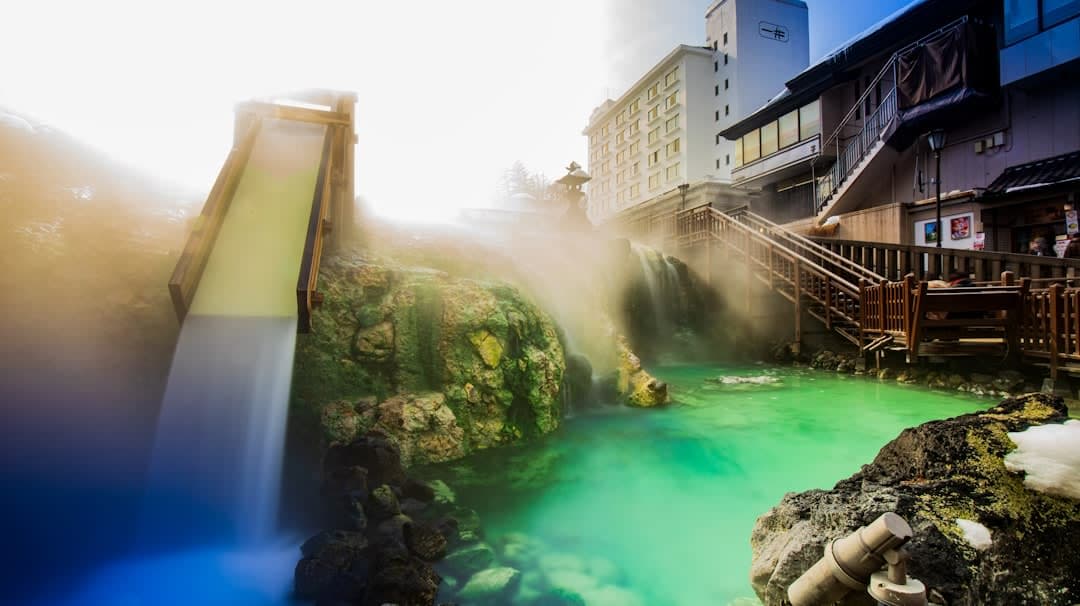
596-13 Kusatsu, Agatsuma District, Gunma 377-1711
Jomokogen Station · 16.6 kmShinkansen
Gunma-Otsu Station · 8 km
Fukurogura Station · 9 km
Haneo Station · 8.1 km
Shinshu-Matsumoto Airport · 79.1 km
Toyama Airport · 126.1 km
Kusatsuongakunomori Helipad · 1.4 km
Kusatsu Hot Spring Bus Terminal. · 0.5 km
Kusatsu Onsen Bus Terminal · 0.5 km
Kusatsu onsen · 0.5 km
Book a stay nearby
Hotels near Kusatsu
1+ optionsSpringsAtlas may earn a commission from bookings made through these links.
More springs in Kanto
1 / 10

Last verified:
Data: OpenStreetMap (ODbL) · local tourism agencies
Verified listing