


Public · Indoor & Outdoor · ¥1,000
Iwamuro Onsen
岩室温泉
52°CPublic BathIndoor & Outdoorsodium-chloridecalcium-chloridesulfur
40–52°CWater temp
7.6pH
¥1,000 (~$7)Entry fee
PublicBathing type
—Opening hours
About this spring
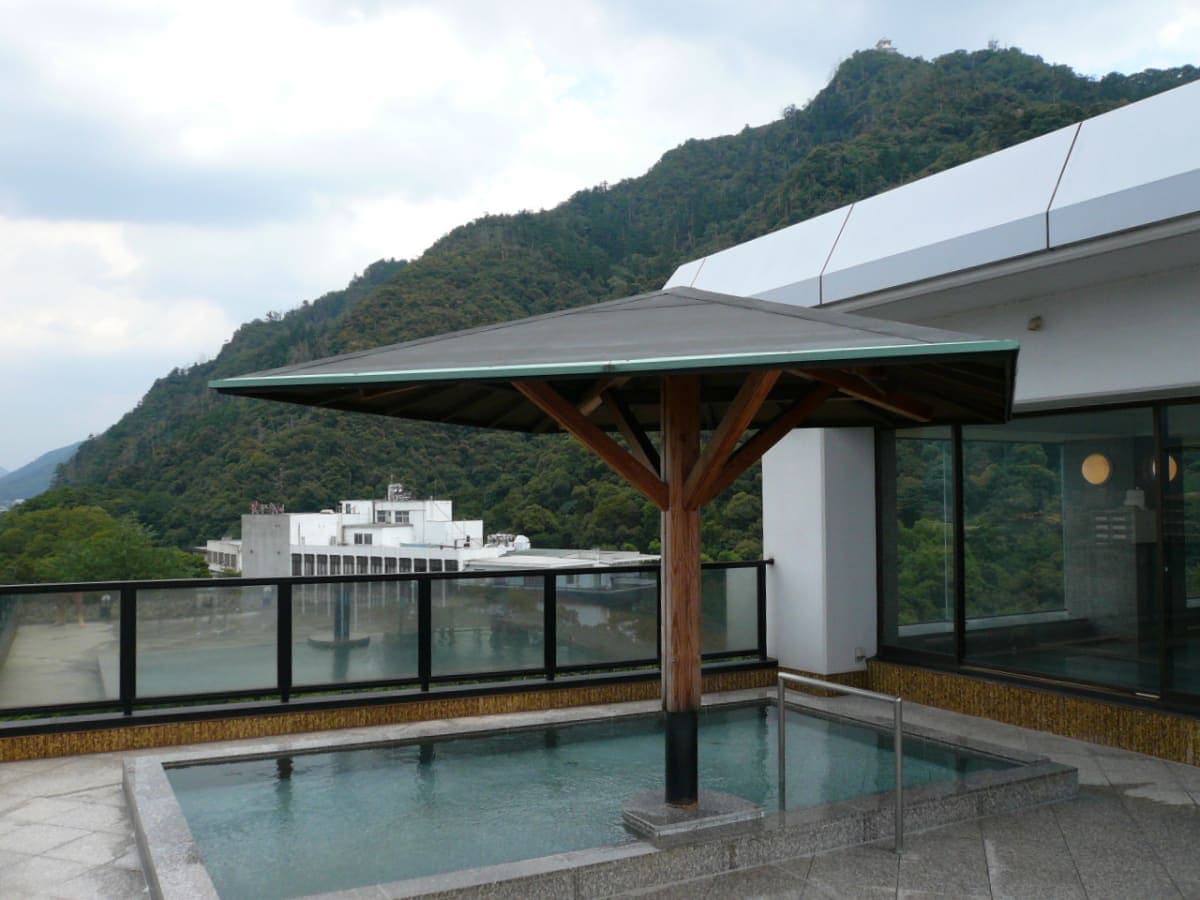
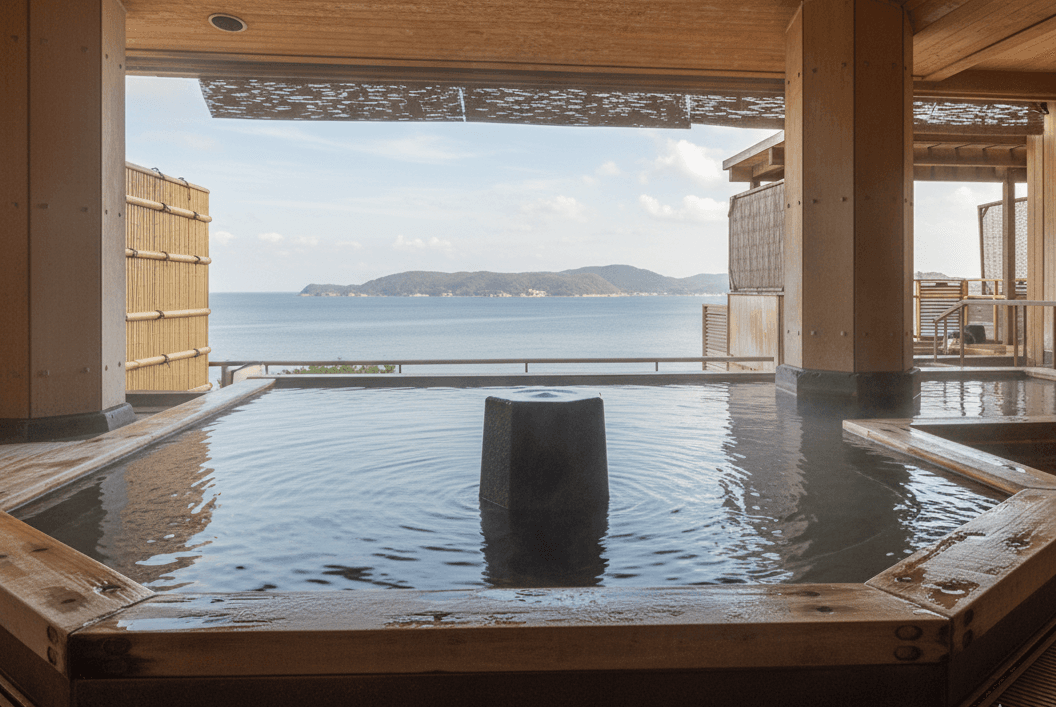
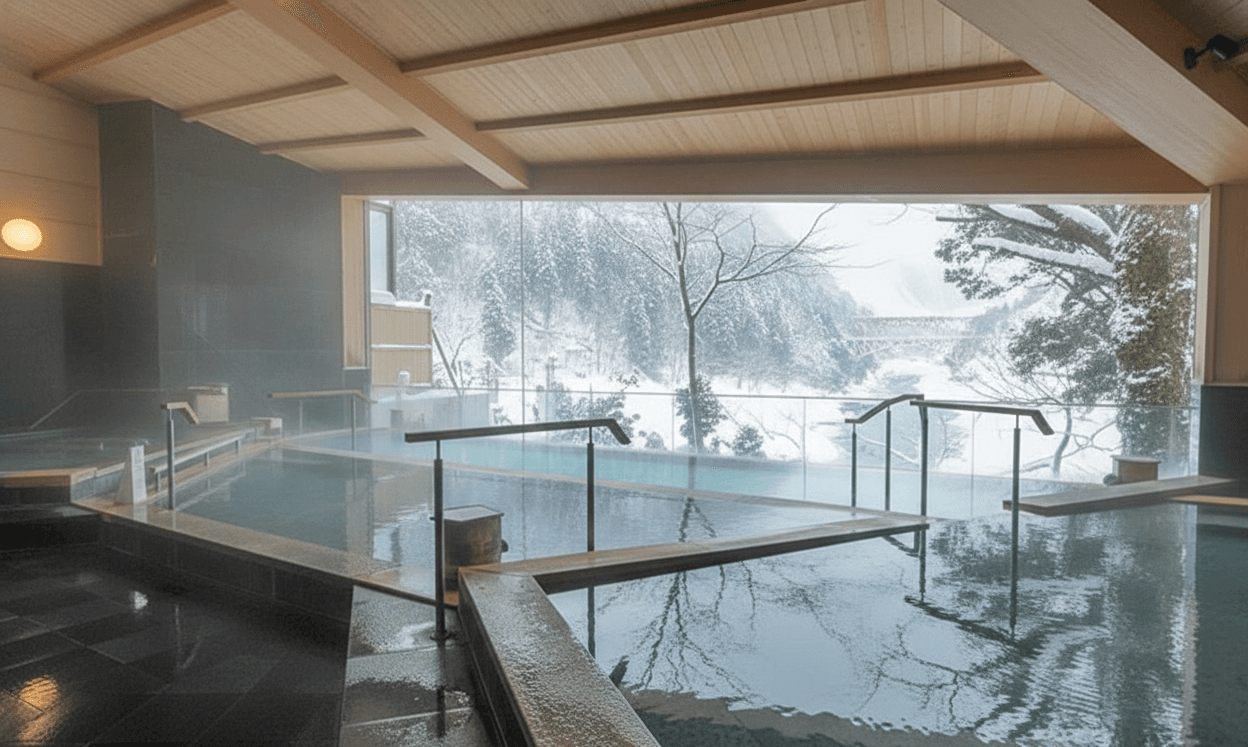
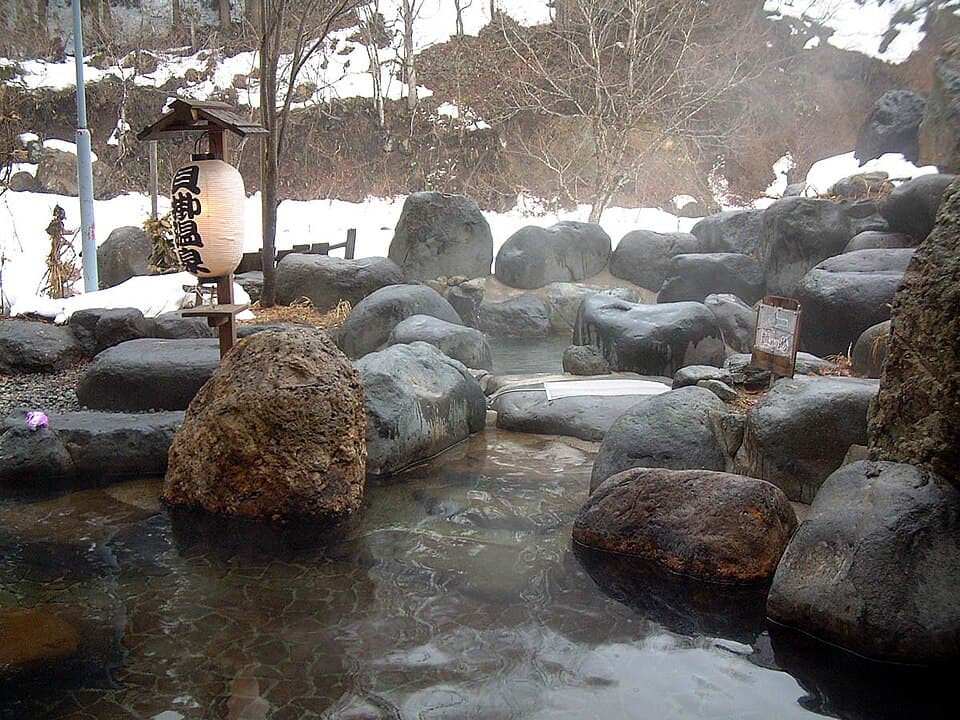
A traditional hot spring town in Niigata Prefecture, long established as a resting point for travelers to the sacred Yahiko Shrine. The spring was discovered over 300 years ago after a Buddhist priest named Shokai followed a wild goose that healed its injured wings in the warm water. The waters are known for their smooth, skin-softening qualities. The town maintains an active Echigo Geiko (Niigata geisha) entertainment culture.
Data: Wikipedia (CC BY-SA 4.0) · OpenStreetMap (ODbL)
Highlights
- Active Echigo Geiko tradition
- Healing Goose founding legend
- Yahiko Shrine gateway
- Smooth skin-softening water
Suitability
Tattoo policy
Policy varies
Children policy
Family-friendly
Altitude
15m
Mineral chemistry
Sodium Chloride (Salt)
Benefits
Sodium chloride springs — essentially natural saltwater baths — are celebrated for their warming and moisturising effects. The salt forms a thin film on the skin after bathing that slows moisture evaporation, keeping skin hydrated longer than a freshwater bath. This "heat-retaining" property means bathers stay warm for significantly longer after leaving the water, making these springs especially popular in winter. Salt springs are among the most accessible for first-time onsen visitors.
Note
Those with high blood pressure or heart conditions should consult a doctor before bathing, as the warming effect increases circulation. Avoid immersing open wounds. The salt will sting slightly in eyes — take care when submerging.
Calcium Chloride
Benefits
Calcium chloride springs share the heat-retaining property of sodium chloride springs but with a stronger warming effect due to the divalent calcium ion. They are prized for muscle and joint relief — the combination of heat retention and calcium's role in muscle function makes them a popular choice for athletes and those with chronic musculoskeletal complaints. The water has a slightly bitter mineral taste.
Note
The strong warming effect means those with cardiovascular conditions, high blood pressure, or pregnancy should limit soak duration and consult a doctor if in doubt. Avoid entering immediately after vigorous exercise — let your heart rate normalise first.
Sulfur
Benefits
Sulfuric hot springs are among the most studied in Japanese balneology. The sulfur compounds — primarily hydrogen sulfide and thiosulfate — have documented antimicrobial and anti-inflammatory properties. Regular bathing is associated with relief from chronic skin conditions including eczema and psoriasis, as well as joint inflammation and muscle soreness. Sulfuric waters have been prescribed in Japanese medical practice since the Edo period.
Note
The distinctive rotten-egg smell dissipates quickly after leaving the bath. Avoid if you have a sulfur allergy, very sensitive skin, or respiratory conditions. Remove silver jewellery before entering — sulfur will blacken it permanently.
History
Iwamuro Onsen has been in use since 1713, when the spring was formally opened during the Edo period.
The founding legend credits the priest Shokai with the discovery after watching an injured goose heal in the warm water, giving the springs their historic title Reigan-no-Yu: the Healing Goose Hot Spring. Because of its location, the village became a busy resting point for samurai, merchants, and pilgrims travelling to worship at Yahiko Shrine. This steady flow of prominent visitors fostered a geisha entertainment culture that remains active today.
Local guide
Niigata City spreads across a wide plain where the Shinano and Agano Rivers deliver some of the most productive rice soil in Japan, and about thirty minutes southwest by car or local bus from the city center, the land rises slightly into low forested hills. This is where Iwamuro Onsen sits, a small collection of ryokan and a quiet village that has been operating as a hot spring destination since 1713. The founding story involves a local headman watching a goose repeatedly bathing a wound in a particular spring until the wound healed. Whether or not that happened, the date puts Iwamuro at over three hundred years of continuous use.
The water at Iwamuro is rare in Japan, classified as a combined sulfur-chloride type that shows up black. The spring temperature comes out at 52 degrees, and the color in the bath ranges from a dark charcoal to a deep earthy brown depending on oxidation levels and the particular well source, since different wells around the village produce slightly varied mineral balances. What you are looking at when you settle into the tub is not clear water with added minerals. It is opaque, heavy-feeling water with a faint sulfur note and the mild salt quality that keeps your body warm long after you step out.
On the skin the dual action is noticeable. The sulfur component gives a slight soft feel, a very mild exfoliation. The sodium-calcium chloride component wraps a saline layer over the skin's surface, trapping heat. Sitting in black water that smells faintly of the earth and comes from a source documented back three centuries, looking out at terraced rice fields going green in May or gold in October, has a specific unshowy quality to it that characterizes the village generally.
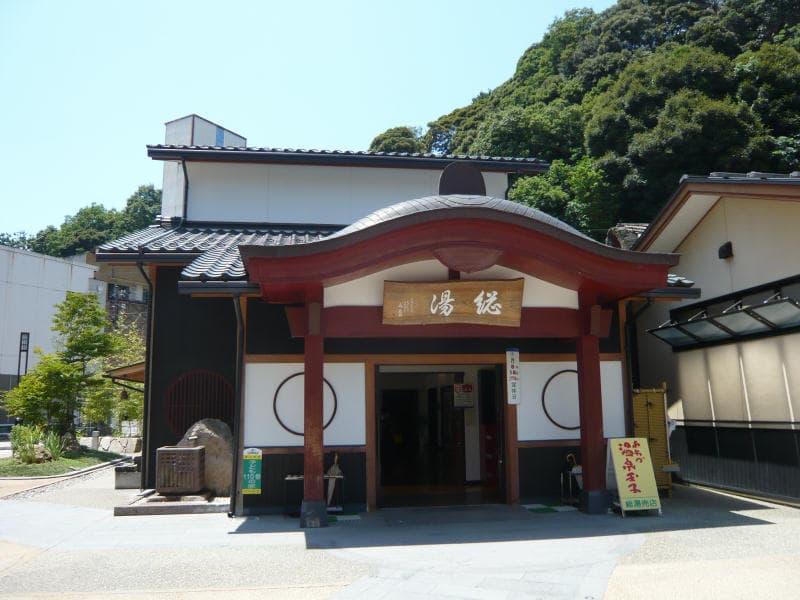
The area's community hub, a local facility called Iwamuroya, sits near the bus stop and serves as both tourist center and public footbath. It is worth stopping there first to get your bearings before choosing a ryokan bath for a longer soak. Iwamuro doesn't organize itself around visitors in an obvious way, which is part of what makes it good.
How this spring compares
pH level
7.6
More alkaline than64% of Japan springs
More acidic than33% of Japan springs
Japan median7.3
Japan range1.2–11.3
n=121 springs
Max temperature
52°C
Hotter than34% of Japan springs
Japan median60°C
Japan hottest105°C
n=122 springs
Getting there
Take the Joetsu Shinkansen from Tokyo to Niigata Station, about 2 hours. Then take the JR Echigo Line to Iwamuro Station, about 50 minutes. From Iwamuro Station, take a 10-minute taxi to the onsen district, or a local bus to the Iwamuro Onsen stop.
Amenities
Towel rental
Locker
Restaurant
Café
Parking
Wheelchair access
English spoken
Tattoo-friendly
Private bath
Soap provided
Hair dryer
Location & nearby
Iwamuro Onsen, Nishikan Ward, Niigata
Tsubame-Sanjo Station · 10.8 kmShinkansen
Iwamuro Station · 4.2 km
Maki Station · 4.7 km
Yahiko Station · 4.7 km
Niigata Airport · 33.7 km
Regalor (Bus Stop) · 0.9 km
Iwamuro Parking (Bus Stop) · 0.9 km
Book a stay nearby
Hotels near Iwamuro
10+ optionsSpringsAtlas may earn a commission from bookings made through these links.
More springs in Chubu
1 / 13



Last verified:
Data: OpenStreetMap (ODbL) · local tourism agencies
Stale listing