

Public · Indoor & Outdoor · ¥500
Atami Onsen
熱海温泉
98°CPublic BathIndoor & Outdoorsodium-chloridecalcium-chloride
42–98°CWater temp
7.3pH
¥500 (~$4)Entry fee
PublicBathing type
—Opening hours
About this spring
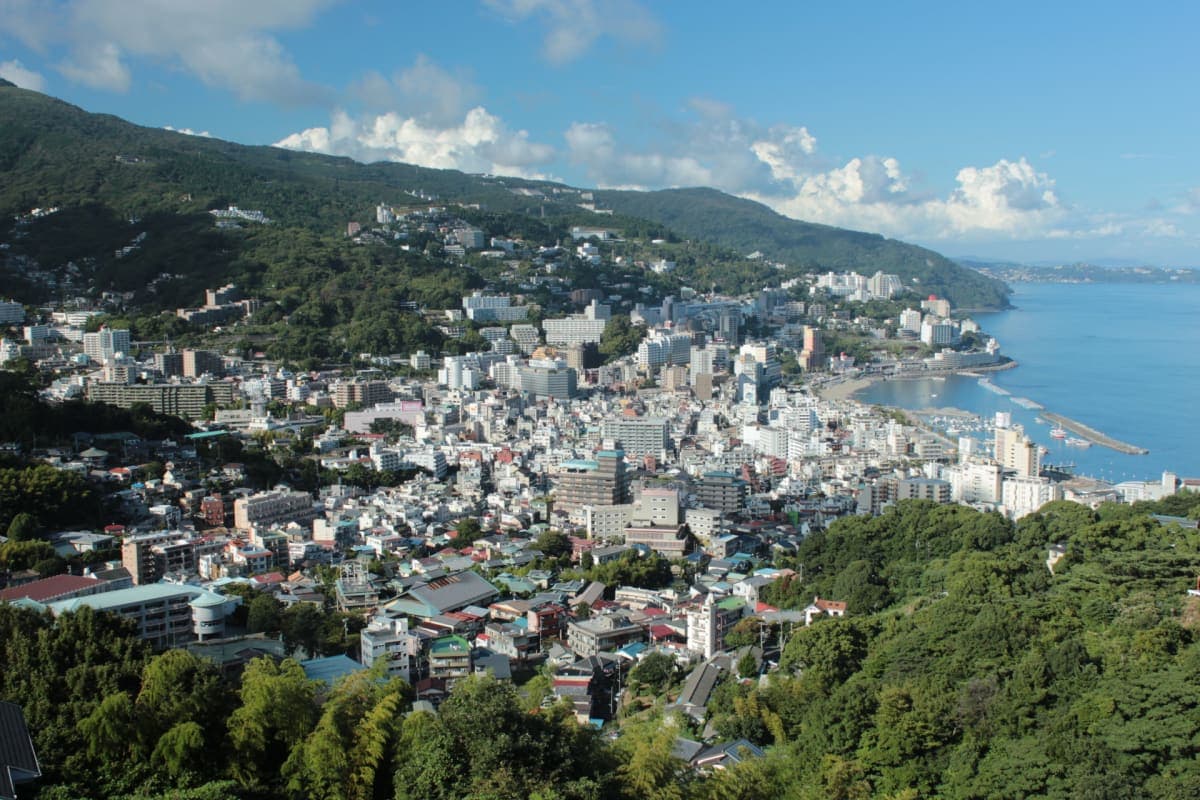
A hot spring resort on the Izu Peninsula overlooking Sagami Bay, about 90 minutes from Tokyo. Around 500 geothermal springs within the city discharge roughly 20,000 liters of water per minute. The combination of ocean views, warm climate, and abundant spring water made Atami one of Japan's most celebrated resort towns in the postwar era.
Data: Wikipedia (CC BY-SA 4.0) · OpenStreetMap (ODbL)
Highlights
- Sagami Bay views
- 500 springs in the city
- MOA Museum of Art
- Oyu Geyser viewable
Suitability
Tattoo policy
Policy varies
Children policy
Family-friendly
Altitude
0m
Mineral chemistry
Sodium Chloride (Salt)
Benefits
Sodium chloride springs — essentially natural saltwater baths — are celebrated for their warming and moisturising effects. The salt forms a thin film on the skin after bathing that slows moisture evaporation, keeping skin hydrated longer than a freshwater bath. This "heat-retaining" property means bathers stay warm for significantly longer after leaving the water, making these springs especially popular in winter. Salt springs are among the most accessible for first-time onsen visitors.
Note
Those with high blood pressure or heart conditions should consult a doctor before bathing, as the warming effect increases circulation. Avoid immersing open wounds. The salt will sting slightly in eyes — take care when submerging.
Calcium Chloride
Benefits
Calcium chloride springs share the heat-retaining property of sodium chloride springs but with a stronger warming effect due to the divalent calcium ion. They are prized for muscle and joint relief — the combination of heat retention and calcium's role in muscle function makes them a popular choice for athletes and those with chronic musculoskeletal complaints. The water has a slightly bitter mineral taste.
Note
The strong warming effect means those with cardiovascular conditions, high blood pressure, or pregnancy should limit soak duration and consult a doctor if in doubt. Avoid entering immediately after vigorous exercise — let your heart rate normalise first.
History
A Nara-period legend tells of the god Manmakino kami praying to Yakushi Nyorai, which redirected hot springs inland to form the Oyu Geyser.
That event is said to have established the sacred character of the site. In the seventeenth century, Tokugawa Ieyasu attempted to bottle and transport Atami's spring water to Edo. The modern resort developed through the late Meiji and Taisho eras. Atami became a major honeymoon and weekend destination in the postwar decades before shifting to a quieter role as a day-trip and retreat destination.
Local guide
If you hop on the bullet train out of Tokyo, the concrete landscape disappears faster than you think. Within forty minutes, the train cuts through the final mountain tunnel and drops you right onto the edge of a deep blue volcanic bay. Welcome to Atami Onsen. The town feels like a lively mix of two different eras. On one hand, you have sleek, modern hotels climbing the steep cliffs like a miniature Monaco. On the other hand, you can step into the narrow side streets and find neon signs, vintage shopping arcades, and steam rising from stone monuments that feel like the 1970s.
The spring water here is a gift from the ocean floor. Centuries ago, people noticed the sea water boiling over a volcanic vent, and that same intense earth energy powers the town today. The water is perfectly clear, but it is incredibly dense with natural sea salts. When you slide into a hot bath here, the salt coats your skin like a light, invisible blanket. It keeps your body from losing its natural moisture and locks the heat deeply into your muscles. It is a practical, heavy kind of warmth that leaves you feeling energized for hours.
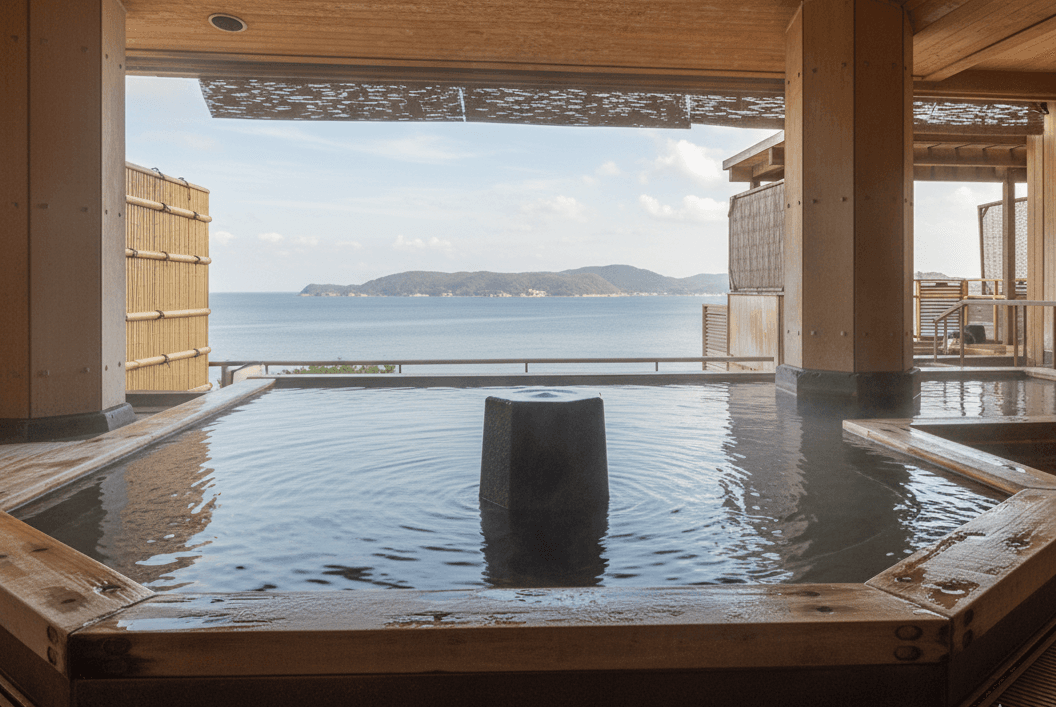
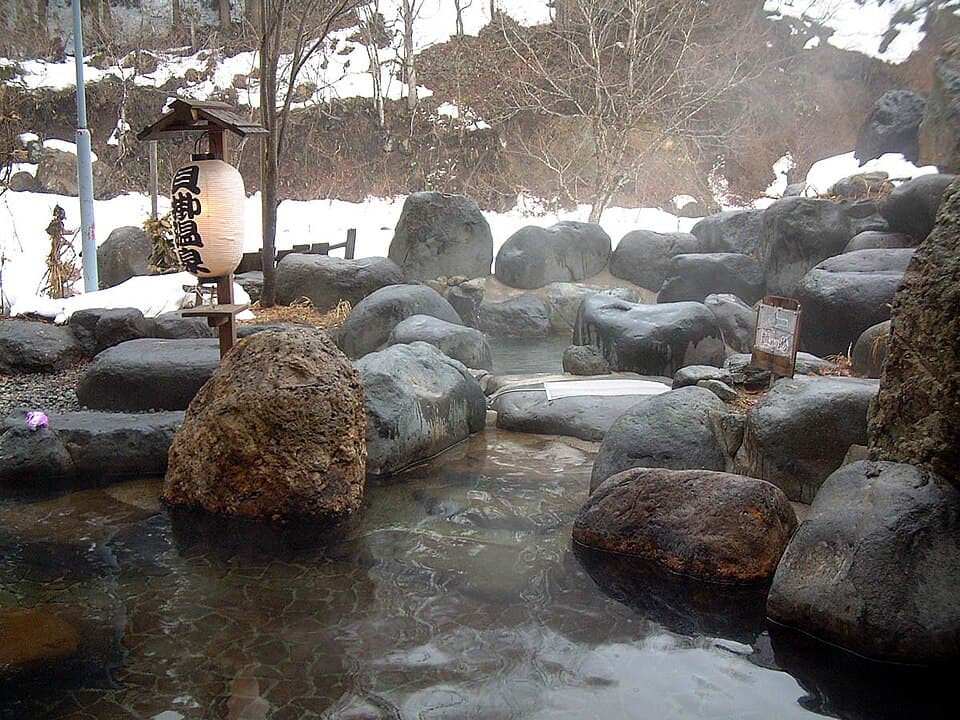
The absolute best way to experience Atami is from an oceanfront outdoor bath at twilight. You can sit in the hot, salty water and look out over the vast horizon where the dark blue water meets the sky. If you time your trip right, you can watch the town's famous fireworks festivals directly from the pool. The rockets launch right from the harbor wall, filling the night sky with color and sending a deep rumble across the surface of the water. It is an unpolished, exciting, and thoroughly refreshing escape that balances the energy of the ocean with the ancient warmth of the earth.
How this spring compares
pH level
7.3
More alkaline than50% of Japan springs
More acidic than47% of Japan springs
Japan median7.3
Japan range1.2–11.3
n=121 springs
Max temperature
98°C
Hotter than93% of Japan springs
Japan median60°C
Japan hottest105°C
n=122 springs
Getting there
Take the Tokaido Shinkansen from Tokyo to Atami Station. The journey takes about 35 minutes. The resort area is within walking distance or a short bus ride from the station.
Amenities
Towel rental
Locker
Restaurant
Café
Parking
Wheelchair access
English spoken
Tattoo-friendly
Private bath
Soap provided
Hair dryer
Location & nearby
Atami Onsen, Shizuoka
Atami Eki · 0 km
Atami Station · 0.1 kmShinkansen
Kinomiya Station · 1.3 km
Jukkoku Pass Station · 4.4 km
Jukkoku-noboriguchi Station · 4.6 km
Tokyo Haneda Airport · 80.6 km
Shizuoka Airport · 88 km
Kannami Glider Park · 5.5 km
Atami Sta. · 0 km
Book a stay nearby
Hotels near Atami
72+ optionsSpringsAtlas may earn a commission from bookings made through these links.
More springs in Chubu
1 / 13



Last verified:
Data: OpenStreetMap (ODbL) · local tourism agencies
Verified listing