
Public · Indoor & Outdoor · ¥500
33–80°CWater temp
7.1pH
¥500 (~$4)Entry fee
PublicBathing type
—Opening hours
About this spring
A hot spring town in Fukui Prefecture often called the gateway to Hokuriku, known for its high-temperature saline waters and the concentration of ryokan along tree-lined streets. The town is compact and easy to explore on foot or in a yukata.
Data: Wikipedia (CC BY-SA 4.0) · OpenStreetMap (ODbL)
Highlights
- High-temperature saline springs
- Tree-lined ryokan streets
- Discovered in 1883
- Free public footbaths
Suitability
Tattoo policy
Policy varies
Children policy
Family-friendly
Altitude
5m
Mineral chemistry
Bicarbonate
Benefits
Bicarbonate springs (sodium bicarbonate, calcium bicarbonate, or hydrogen carbonate) are particularly effective for skin conditions. The bicarbonate ions cleanse and soften the skin surface, removing excess sebum without stripping the skin's acid mantle. These springs are traditionally recommended for acne-prone skin and as a gentle option for sensitive skin types. The water has a characteristically clean, soft feel.
Note
Bicarbonate springs are generally among the most gentle and well-tolerated onsen types. Those with very dry skin may wish to apply moisturiser after bathing, as the cleansing effect can temporarily reduce surface oils.
Radium (Radon)
Benefits
Radium or radon springs (放射能泉) are a recognised therapeutic category under Japan's Onsen Law. At the low concentrations found in natural springs, radon exposure is associated with hormesis — a mild beneficial stress response — and has been studied for effects on rheumatism, gout, and certain skin conditions. Misasa Onsen in Tottori Prefecture is Japan's most famous radium spring and has been the subject of long-running epidemiological research.
Note
The radon concentrations in natural hot springs are far below levels associated with health risk, and the Japanese government regulates maximum permissible concentrations. Standard onsen soak times are safe. Those with concerns about radiation exposure during pregnancy should consult a doctor.
History
In 1883, a farmer discovered the spring while digging an irrigation well.
The water came up at 80 degrees Celsius. Word spread quickly. The town developed rapidly after railway lines opened in 1911 and 1928. A major earthquake in 1948 and a fire in 1956 both damaged the district, but the hotels were rebuilt. Today Awara is a well-maintained resort town drawing visitors from across the Kansai and Chubu regions.
Local guide
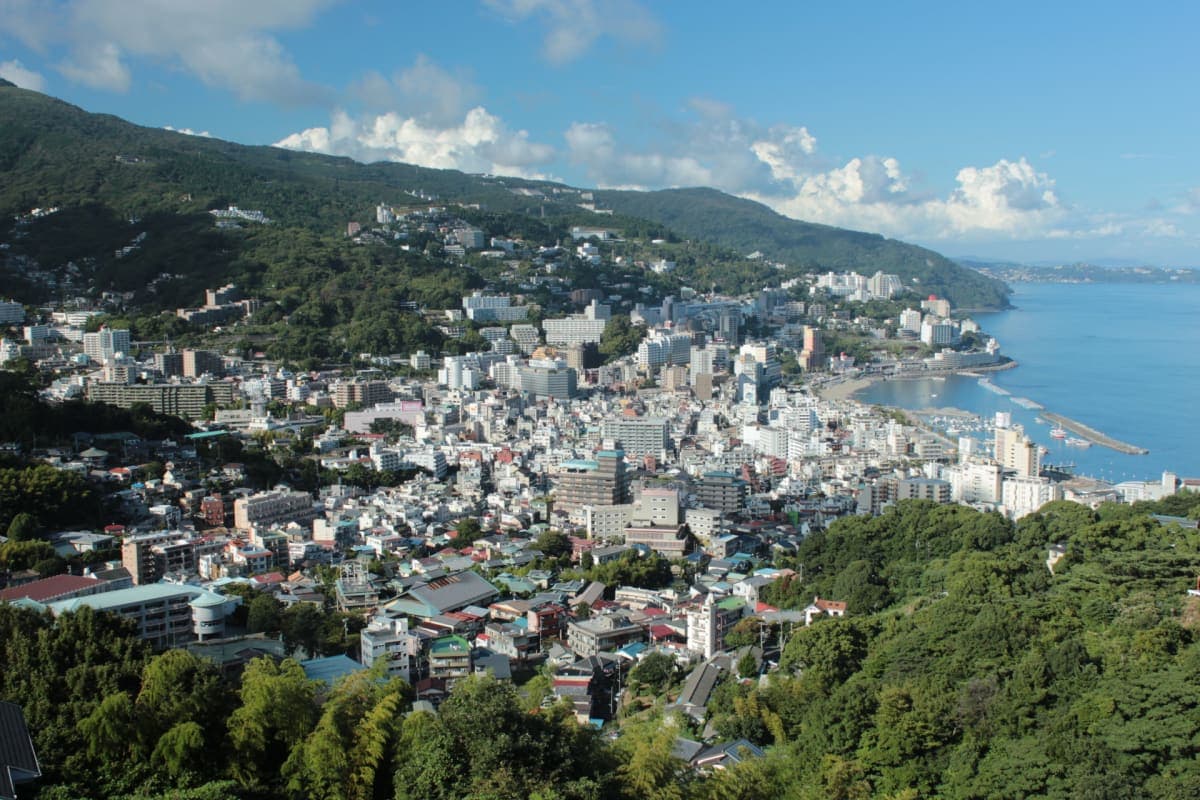
If you take a short drive from the dramatic, wind-swept stone cliffs of Tojinbo, the landscape smooths out into quiet farmlands and peaceful streets. This is Awara Onsen. Unlike many mountain hot spring towns that are packed tightly into narrow rock canyons, Awara spreads out across a flat, open plain. It has a calm, unhurried rhythm that instantly makes you slow your pace. When you walk through the town at dusk, you will see warm lantern light reflecting off the wood panels of traditional inns, and soft plumes of steam rising up into the clean coastal air.
The real magic of Awara is hidden right beneath the floorboards. In most hot spring villages, every bathhouse pipes in water from one giant, shared central source. Awara does things differently. The town has over forty independent wells, and nearly every ryokan digs its own private line down into the earth. Because the mineral balances shift from one well to the next, you can walk down the street, step into a different inn, and experience a completely new type of bath. The water here is rich in natural sodium and calcium salts. It is crystal clear, but it feels wonderfully heavy on your skin. When you sit in the hot water, the salt coats your body, locking in your natural heat and leaving your skin feeling smooth and completely refreshed.
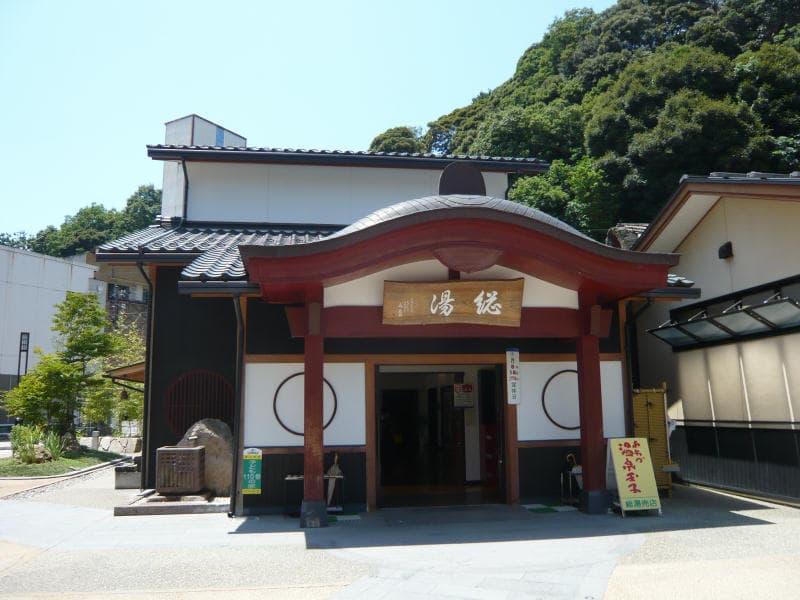
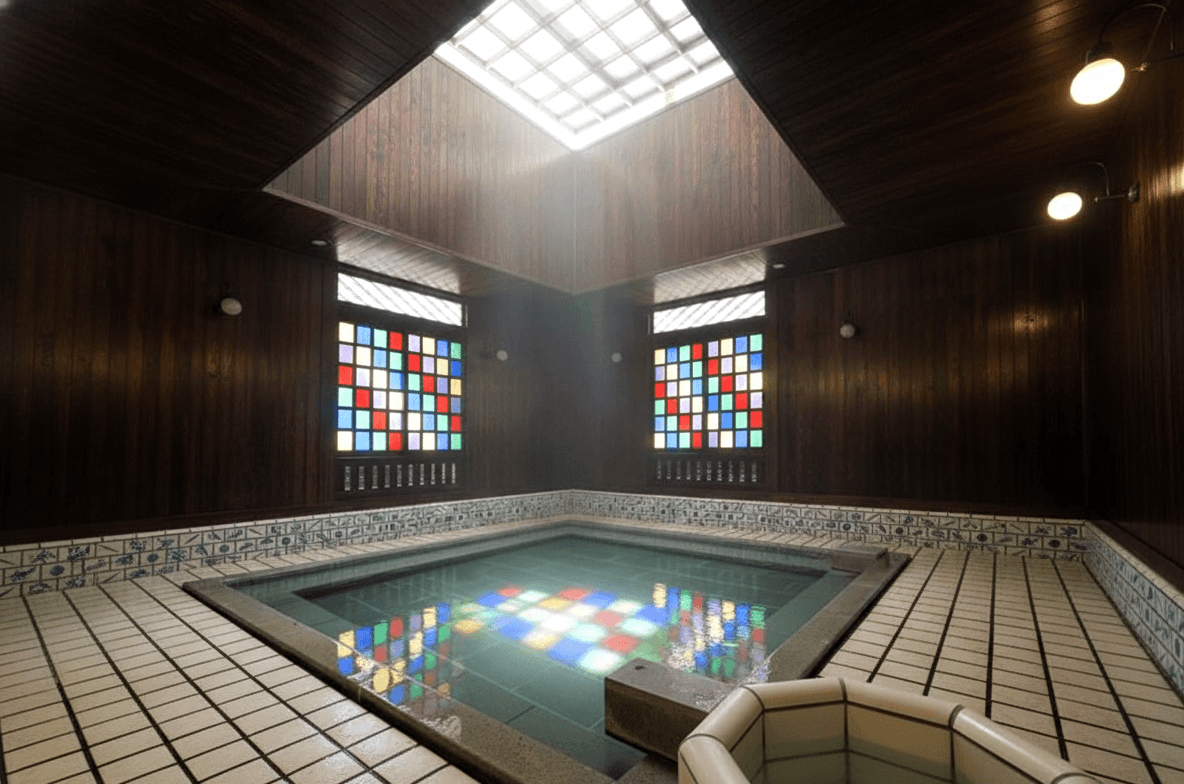
The heart of the community life centers around the Ashiyu, a gorgeous, all-wooden public footbath pavilion located right in the middle of the town square. It is built from beautiful cypress wood and features stained-glass windows that light up softly after dark. Here, locals and travelers sit together along the edge of the wrapping wooden benches, soaking their feet in the hot water after a long day of exploring. It is a simple, practical, and incredibly warm space where you can drink a local craft beer, chat with your neighbors, and feel the genuine hospitality of the region. If you want to escape the crowds and enjoy a truly relaxing, authentic slice of Japanese hot spring culture, this quiet town on the coast is the perfect place to land.
How this spring compares
pH level
7.1
More alkaline than36% of Japan springs
More acidic than59% of Japan springs
Japan median7.3
Japan range1.2–11.3
n=121 springs
Max temperature
80°C
Hotter than73% of Japan springs
Japan median60°C
Japan hottest105°C
n=122 springs
Getting there
Take the Hokuriku Shinkansen to Fukui Station, then transfer to the Echizen Railway Mikuni Awara Line for a 25-minute ride to Awara-Yunomachi Station. The heart of the onsen district is within easy walking distance. From Osaka or Kyoto, take the JR Thunderbird express to Fukui first.
Amenities
Towel rental
Locker
Restaurant
Café
Parking
Wheelchair access
English spoken
Tattoo-friendly
Private bath
Soap provided
Hair dryer
Location & nearby
Awara Onsen, Awara, Fukui
Awara-Onsen Station · 3.9 kmShinkansen
Awara-Yunomachi Station · 0.1 km
Banden Station · 1.5 km
Mizui Station · 2.1 km
Honjyo Station · 2.2 km
あわら湯のまち駅 · 0 km
Fukui Airport · 9.6 km
Komatsu Airport · 26.7 km
Awara-Yunomachi Station · 0.1 km
Awa Rauru Yu no Machi Station · 0 km
Saintpia Awara · 0.2 km
Book a stay nearby
Hotels near Awara
25+ optionsSpringsAtlas may earn a commission from bookings made through these links.
More springs in Chubu
1 / 13



Last verified:
Data: OpenStreetMap (ODbL) · local tourism agencies
Verified listing