
Public · Indoor & Outdoor · ¥800
35–50°CWater temp
7.9pH
¥800 (~$6)Entry fee
PublicBathing type
—Opening hours
About this spring
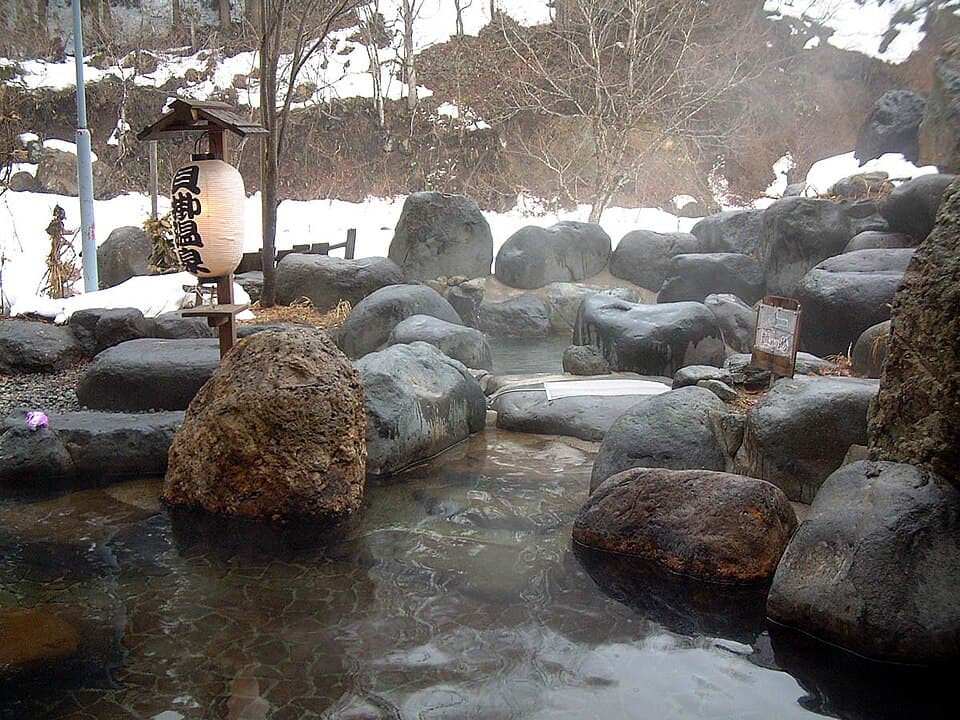
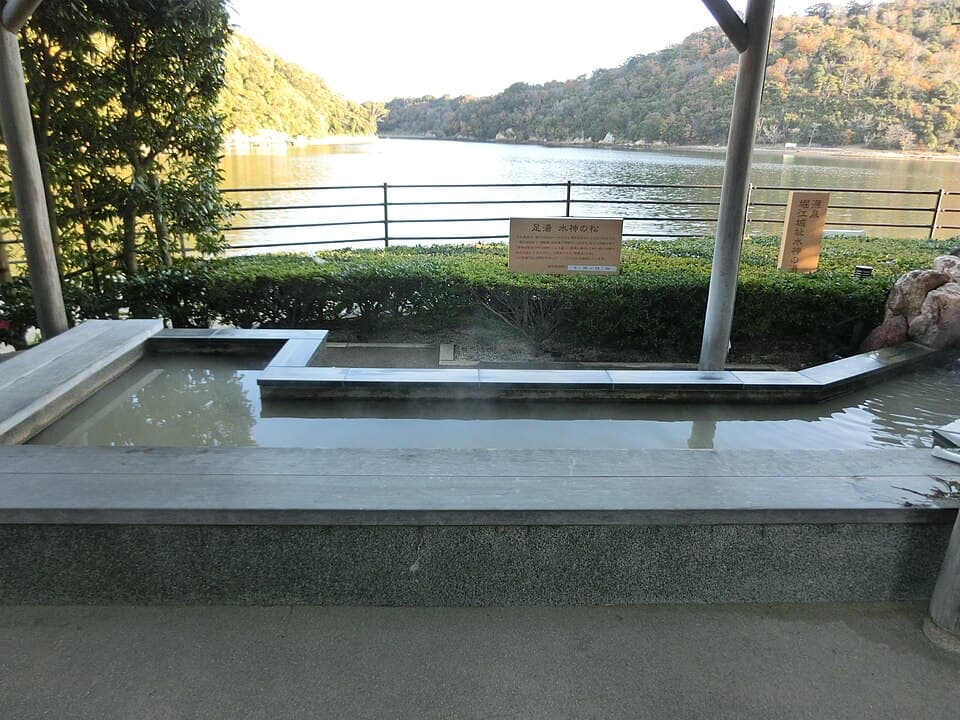
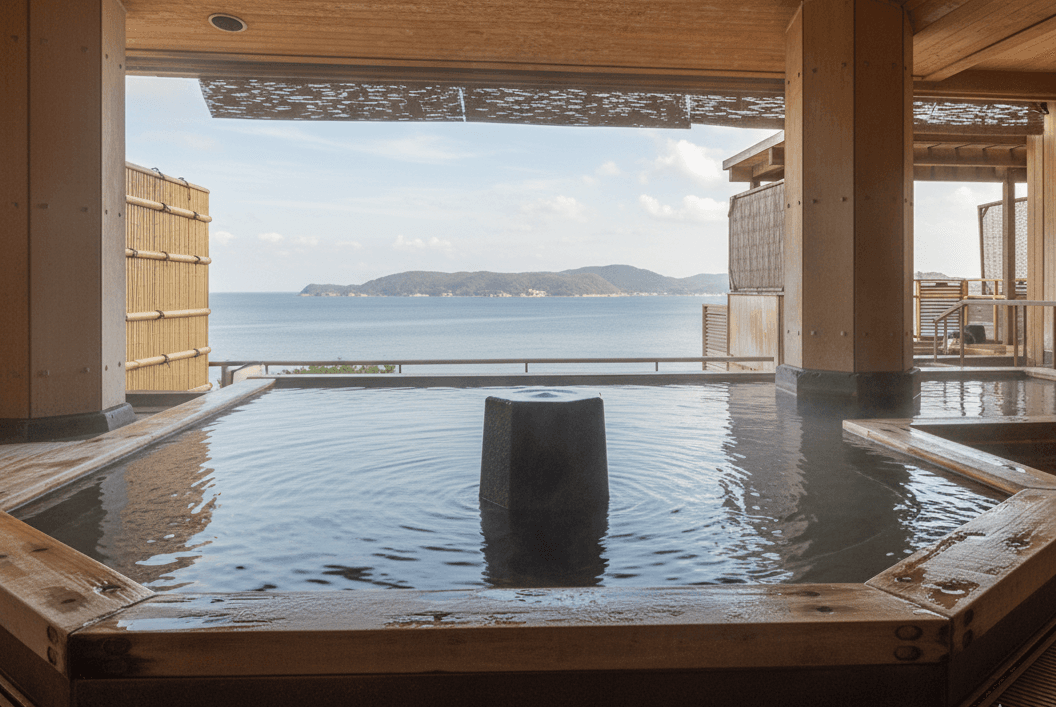
A hot spring resort on the northwestern shore of Lake Hamana in Hamamatsu, Shizuoka Prefecture. The large salt lake is brackish where ocean meets fresh water, and the spring beneath it is a sodium-calcium chloride water with one of the highest salt concentrations of any onsen in Japan. The lake view from the outdoor baths, with Mount Fuji occasionally visible in the distance, is the defining feature of a stay here.
Data: Wikipedia (CC BY-SA 4.0) · OpenStreetMap (ODbL)
Highlights
- Lake Hamana views
- Mt. Fuji occasional sighting
- One of Japan's highest salt content
- Kanzanji Temple 810 AD
Suitability
Tattoo policy
Not permitted
Children policy
Family-friendly
Altitude
10m
Mineral chemistry
Sodium Chloride (Salt)
Benefits
Sodium chloride springs — essentially natural saltwater baths — are celebrated for their warming and moisturising effects. The salt forms a thin film on the skin after bathing that slows moisture evaporation, keeping skin hydrated longer than a freshwater bath. This "heat-retaining" property means bathers stay warm for significantly longer after leaving the water, making these springs especially popular in winter. Salt springs are among the most accessible for first-time onsen visitors.
Note
Those with high blood pressure or heart conditions should consult a doctor before bathing, as the warming effect increases circulation. Avoid immersing open wounds. The salt will sting slightly in eyes — take care when submerging.
Calcium Chloride
Benefits
Calcium chloride springs share the heat-retaining property of sodium chloride springs but with a stronger warming effect due to the divalent calcium ion. They are prized for muscle and joint relief — the combination of heat retention and calcium's role in muscle function makes them a popular choice for athletes and those with chronic musculoskeletal complaints. The water has a slightly bitter mineral taste.
Note
The strong warming effect means those with cardiovascular conditions, high blood pressure, or pregnancy should limit soak duration and consult a doctor if in doubt. Avoid entering immediately after vigorous exercise — let your heart rate normalise first.
History
The springs were bored and opened in 1958 after local entrepreneurs tapped the thermal water beneath Lake Hamana's lakebed.
Development through the 1960s and 1970s was rapid. A ropeway was built over the inner bay. Lakeside ryokan multiplied. The Kanzanji Temple that gives the area its name was founded in 810 AD by the monk Kobo Daishi, and the site has been a place of Buddhist worship for centuries.
Local guide
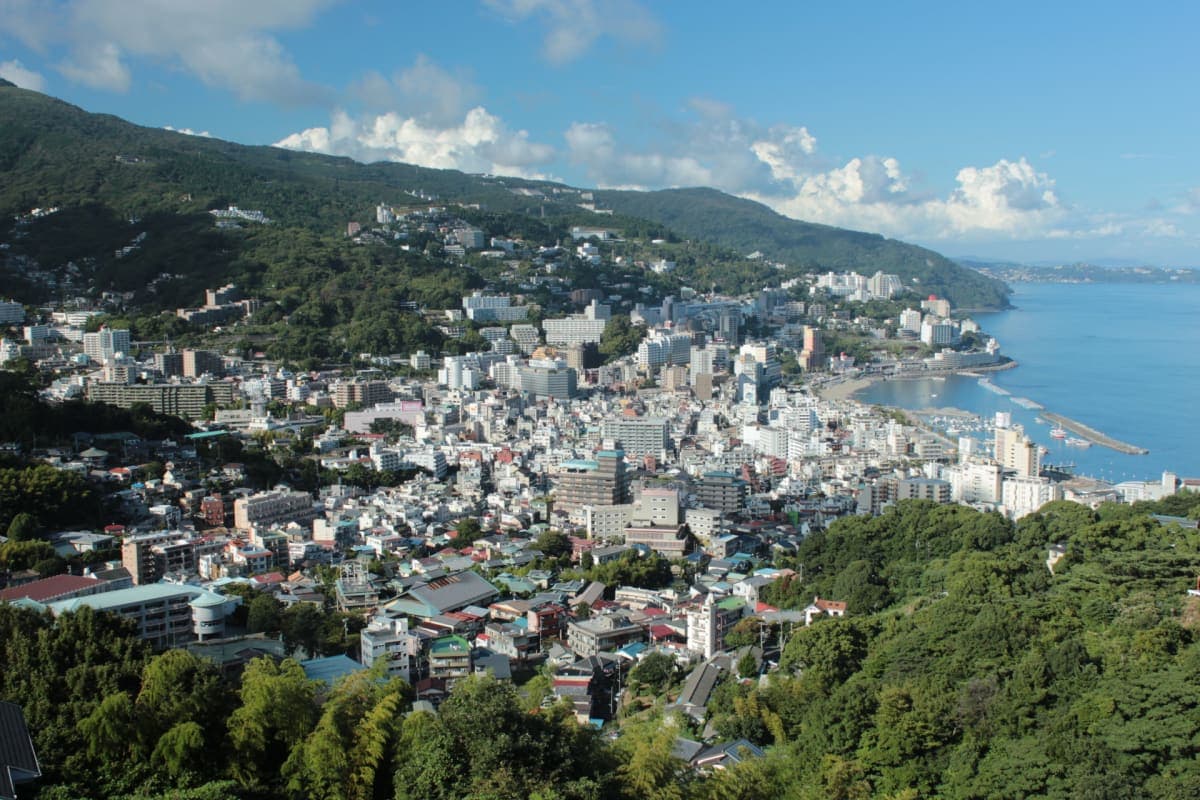
Leave Hamamatsu Station heading west and within twenty minutes the industrial outskirts fall away and you are driving along a narrow peninsula between two bodies of water. Lake Hamana is on one side, vast and glittering and technically a lake, though an earthquake in 1498 broke through the barrier separating it from the Pacific and the water turned brackish. The peninsula road ends at Kanzanji Onsen, a compact resort cluster perched right where the lake pinches into a narrow inlet, with water visible in almost every direction you look.
The spring here was not discovered until the 1950s, when drilling hit a hot vein below the lakeshore. The water that came up was sodium chloride and calcium chloride, dense with salt pulled from the same brackish geology that makes the lake distinctive. The pH sits just above neutral at 7.9, which means it goes onto your skin gently, without any acid bite or strong sulfur smell. What you notice instead is weight. The water feels heavier than ordinary bath water, and when you sit in it the salt coats your skin within minutes, holding heat long after you step out. On a cool Shizuoka evening with the lake breeze coming off the water, that retained warmth is the whole point.
The thing that stops visitors mid-walk at Kanzanji is the ropeway. It runs directly over the inlet, crossing the water on a low cable between the lakeshore amusement park and the summit of Okusayama Mountain, and it is genuinely the only ropeway in Japan that passes over a lake. From the gondola you look straight down at the water and the narrow strip of land that separates the resort from the open lake, with Mount Fuji visible on a clear day to the northeast. Kanzanji Temple itself, a few minutes' walk from the bathhouse district, was founded in 810 by the monk Kobo Daishi and received a sacred seal from Tokugawa Ieyasu during the Edo period.
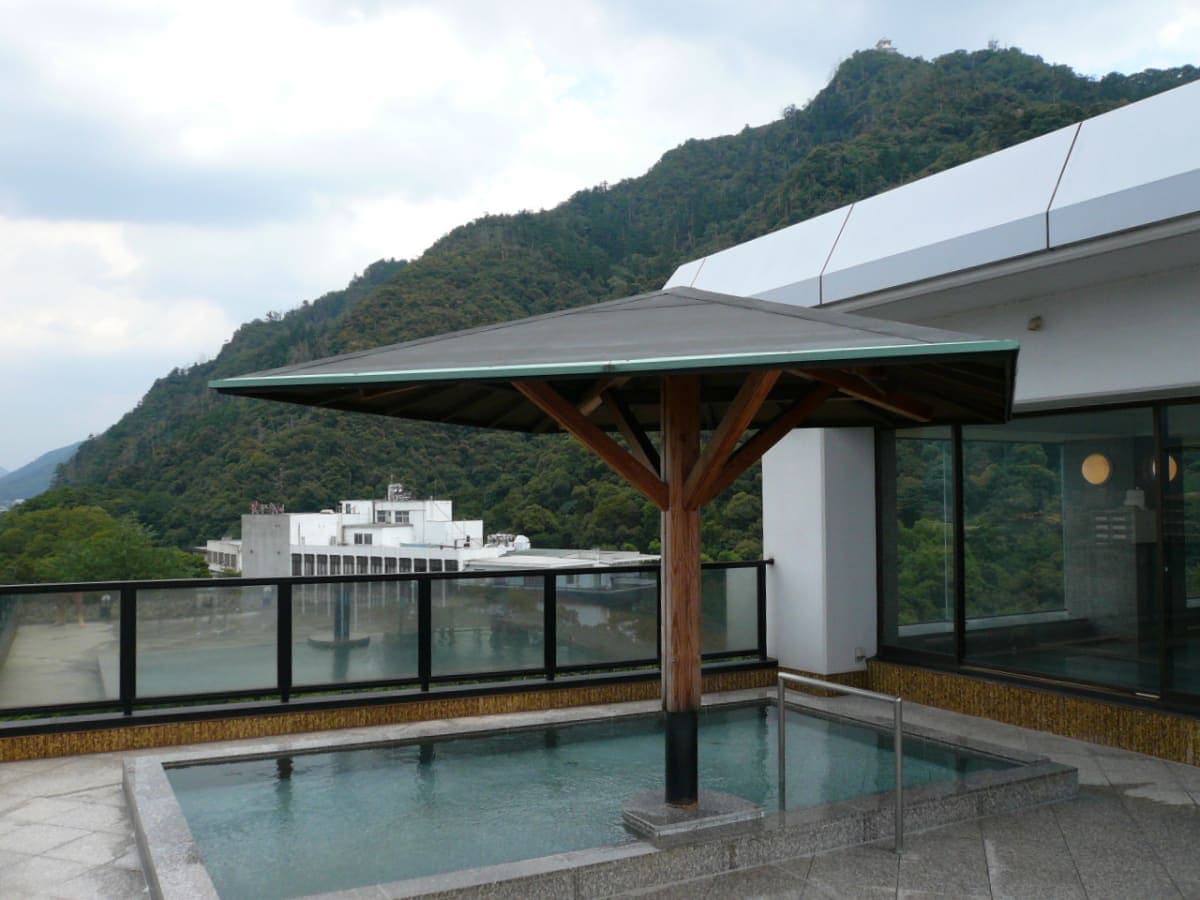
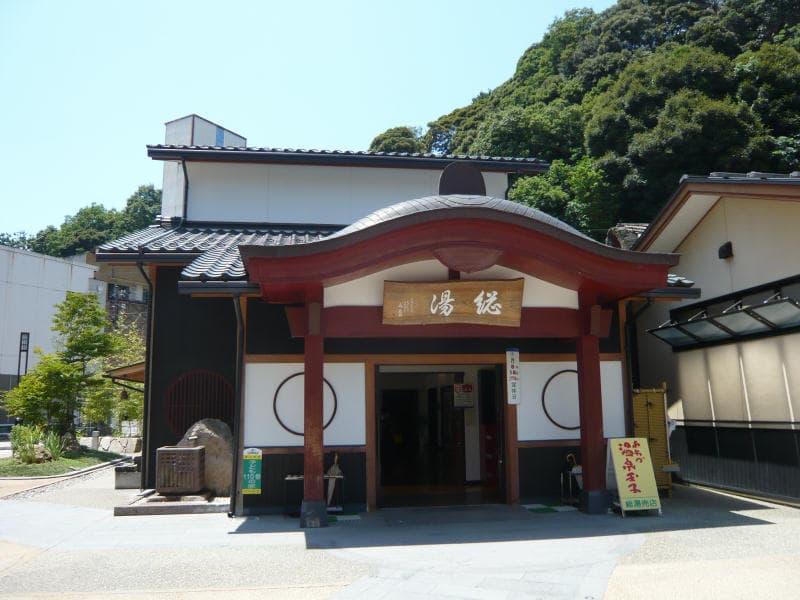
The bathing options at Kanzanji Onsen are split between the large lakeside resort hotels and a handful of smaller facilities. Most of the resort hotels allow day visitors to use their outdoor pools, which sit close enough to the water that the boundary between the lake and the bath feels almost theoretical. Come on a weekday in autumn when the summer crowds have thinned and the maple trees on Okusayama are turning, and you will have most of the outdoor pools to yourself.
How this spring compares
pH level
7.9
More alkaline than73% of Japan springs
More acidic than26% of Japan springs
Japan median7.3
Japan range1.2–11.3
n=121 springs
Max temperature
50°C
Hotter than24% of Japan springs
Japan median60°C
Japan hottest105°C
n=122 springs
Getting there
From Hamamatsu Station on the JR Tokaido Shinkansen, take a bus from the north exit toward Kanzanji Onsen. The ride takes about 40 minutes. Hamamatsu is about 85 minutes from Tokyo on a Hikari service and 29 minutes from Nagoya.
Amenities
Towel rental
Locker
Restaurant
Café
Parking
Wheelchair access
English spoken
Tattoo-friendly
Private bath
Soap provided
Hair dryer
Location & nearby
Kanzanji Onsen, Chuo Ward, Hamamatsu, Shizuoka
Hamamatsu Station · 12.6 kmShinkansen
Sunza Station · 3.2 km
Higashi-Tsuzuki Station · 4.2 km
Hamanako-Sakume Station · 3.4 km
Shizuoka Airport · 52.5 km
Chubu Centrair (Nagoya) Airport · 74.8 km
Hamana-ko Paruparu (Bus Stop) · 0.2 km
Welcsaison Hamanako (Bus Stop) · 0.2 km
Kanzanji Station · 0.3 km
Book a stay nearby
Hotels near Kanzanji
18+ optionsSpringsAtlas may earn a commission from bookings made through these links.
More springs in Chubu
1 / 13




Last verified:
Data: OpenStreetMap (ODbL) · local tourism agencies
Verified listing