

Public · Indoor & Outdoor · ¥490
Yamashiro Onsen
山代温泉
65°CPublic BathIndoor & Outdoorsodium-bicarbonatesodium-chloride
65–65°CWater temp
7.5pH
¥490 (~$3)Entry fee
PublicBathing type
—Opening hours
About this spring
One of the largest hot spring resort towns in the Hokuriku region, in Kaga, Ishikawa Prefecture. The town has 31 traditional ryokan and a history of over 1,300 years. The public bathhouse at the center of town, Kose no Sato Yunodori, is open to day visitors and forms the social heart of the resort.
Data: Wikipedia (CC BY-SA 4.0) · OpenStreetMap (ODbL)
Highlights
- 31 traditional ryokan
- 1,300-year history
- Central public bathhouse
- Part of Kaga Onsen group
Suitability
Tattoo policy
Not permitted
Children policy
Family-friendly
Altitude
60m
Mineral chemistry
Bicarbonate
Benefits
Bicarbonate springs (sodium bicarbonate, calcium bicarbonate, or hydrogen carbonate) are particularly effective for skin conditions. The bicarbonate ions cleanse and soften the skin surface, removing excess sebum without stripping the skin's acid mantle. These springs are traditionally recommended for acne-prone skin and as a gentle option for sensitive skin types. The water has a characteristically clean, soft feel.
Note
Bicarbonate springs are generally among the most gentle and well-tolerated onsen types. Those with very dry skin may wish to apply moisturiser after bathing, as the cleansing effect can temporarily reduce surface oils.
Sodium Chloride (Salt)
Benefits
Sodium chloride springs — essentially natural saltwater baths — are celebrated for their warming and moisturising effects. The salt forms a thin film on the skin after bathing that slows moisture evaporation, keeping skin hydrated longer than a freshwater bath. This "heat-retaining" property means bathers stay warm for significantly longer after leaving the water, making these springs especially popular in winter. Salt springs are among the most accessible for first-time onsen visitors.
Note
Those with high blood pressure or heart conditions should consult a doctor before bathing, as the warming effect increases circulation. Avoid immersing open wounds. The salt will sting slightly in eyes — take care when submerging.
History
The founding legend credits the Buddhist monk Gyoki with discovering the springs in the Nara period after following an injured crow that had been bathing in the warm water.
The site was developed in the Heian era as part of the Yakuo-in Onsen-ji temple complex, dedicated to Yakushi Nyorai. The warlord Akechi Mitsuhide visited during the Sengoku period. In the Meiji era literary figures including Izumi Kyoka found the atmosphere here conducive to writing. The town's proximity to Osaka and Kyoto ensured its popularity through every era.
Local guide
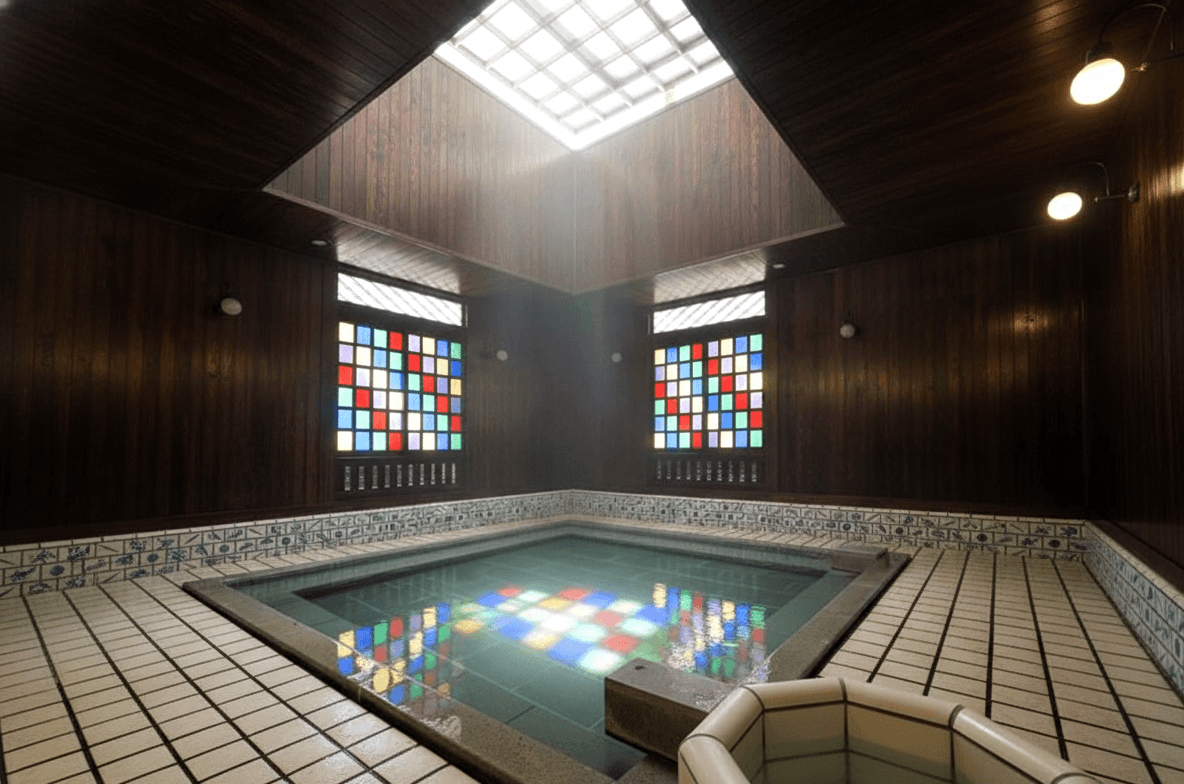
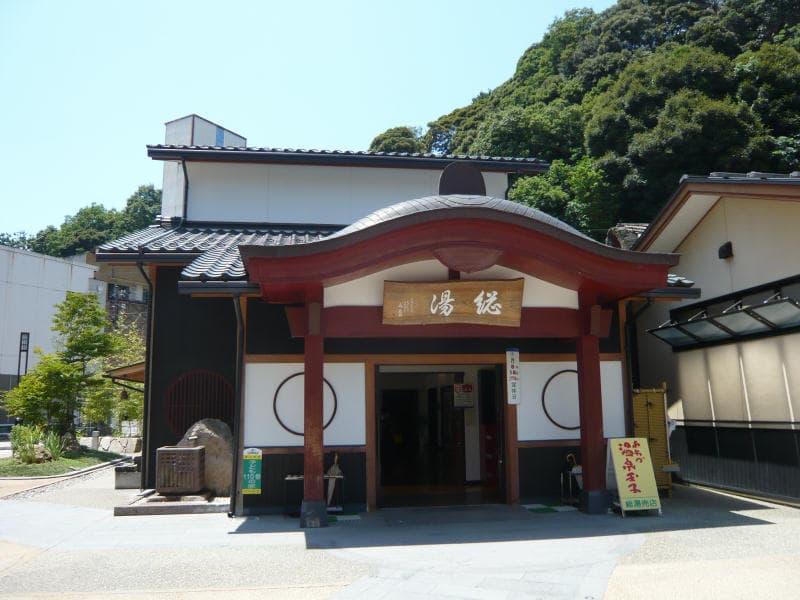
The bus from Komatsu Station takes about twenty minutes and drops you in front of Yamashiro Onsen's central plaza, a broad, stone-paved square with the Ko-soyu bathhouse at its center. The building is a restored Meiji-era structure with a peaked roof and wide wooden eaves, and it looks substantial enough that you notice it before you notice anything else about the town. According to local tradition, the springs here were found about 1,300 years ago when a wandering Buddhist monk named Gyoki followed a three-legged crow, the mythological Yatagarasu, to a pool where the bird was bathing its injured wing. Whether you credit the story or not, the spring has been in continuous use long enough to accumulate a genuinely thick history.
Yamashiro runs two public bathhouses, the Ko-soyu and the newer Soyu, and the practical difference between them gives you an informal measure of how a hot spring town ages. Ko-soyu is old Meiji wood and dim light and the faint echo of a place that has been absorbing steam for well over a century. Soyu is brighter and more contemporary, with shower stations and a cleaner layout. Both supply water from the same source, a sodium bicarbonate and sodium chloride type that emerges at 65 degrees Celsius. In the bath it is colorless and clear, alkaline enough to feel slightly silky on the skin, and warm in the deep way that sodium-heavy water tends to be.
The Edo-period layout of the town survives almost intact around these two bathhouses. The inns line the surrounding streets in the traditional pattern, with guests making multiple trips to the communal bath through the day rather than relying on private baths in their rooms. The main street still has artisan workshops making Kutani porcelain and Yamanaka lacquerware, and the evening walk between the lit storefronts and the steam rising from the bath buildings has a character that larger resort towns have long since traded away.
Yamashiro was a destination for Meiji-era writers and artists, and the literary connections left a faint cultural seriousness on the place that you can still detect. The town rewards taking your time with it rather than arriving for a single bath and departing.
How this spring compares
pH level
7.5
More alkaline than56% of Japan springs
More acidic than36% of Japan springs
Japan median7.3
Japan range1.2–11.3
n=121 springs
Max temperature
65°C
Hotter than57% of Japan springs
Japan median60°C
Japan hottest105°C
n=122 springs
Getting there
Take the Hokuriku Shinkansen to Kaga-Onsen Station, then a local bus or taxi to Yamashiro Onsen. The journey from Kanazawa takes about 30 minutes.
Amenities
Towel rental
Locker
Restaurant
Café
Parking
Wheelchair access
English spoken
Tattoo-friendly
Private bath
Soap provided
Hair dryer
Location & nearby
Yamashiro Onsen, Kaga, Ishikawa
Kaga-Onsen Station · 4.8 kmShinkansen
Ushinoya Station · 7.9 km
Daishōji Station · 4.4 km
Iburihashi Station · 4.8 km
Komatsu Airport · 12.2 km
Fukui Airport · 20.7 km
Yamadō Onsen (Bus Stop) · 0.2 km
Shōmachi [Kagashi] (Bus Stop) · 0.3 km
Saiwaicho [ Kagashi Bus Stop · 0.3 km
Book a stay nearby
Hotels near Yamashiro
23+ optionsSpringsAtlas may earn a commission from bookings made through these links.
More springs in Chubu
1 / 13



Last verified:
Data: OpenStreetMap (ODbL) · local tourism agencies
Verified listing