
Public · Indoor & Outdoor · ¥600
Nanki-Shirahama Onsen
南紀白浜温泉
83°CPublic BathIndoor & Outdoorsodium-chloridesodium-bicarbonate
40–83°CWater temp
7.0pH
¥600 (~$5)Entry fee
PublicBathing type
—Opening hours
About this spring
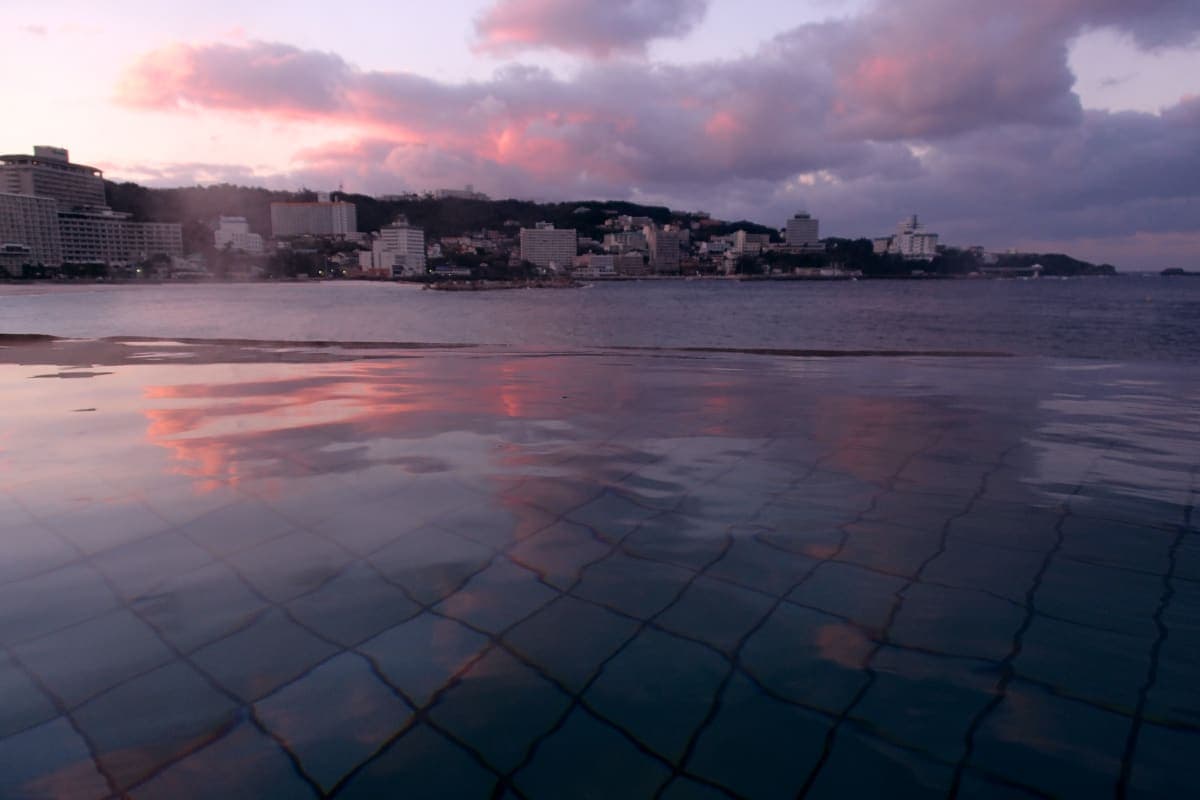
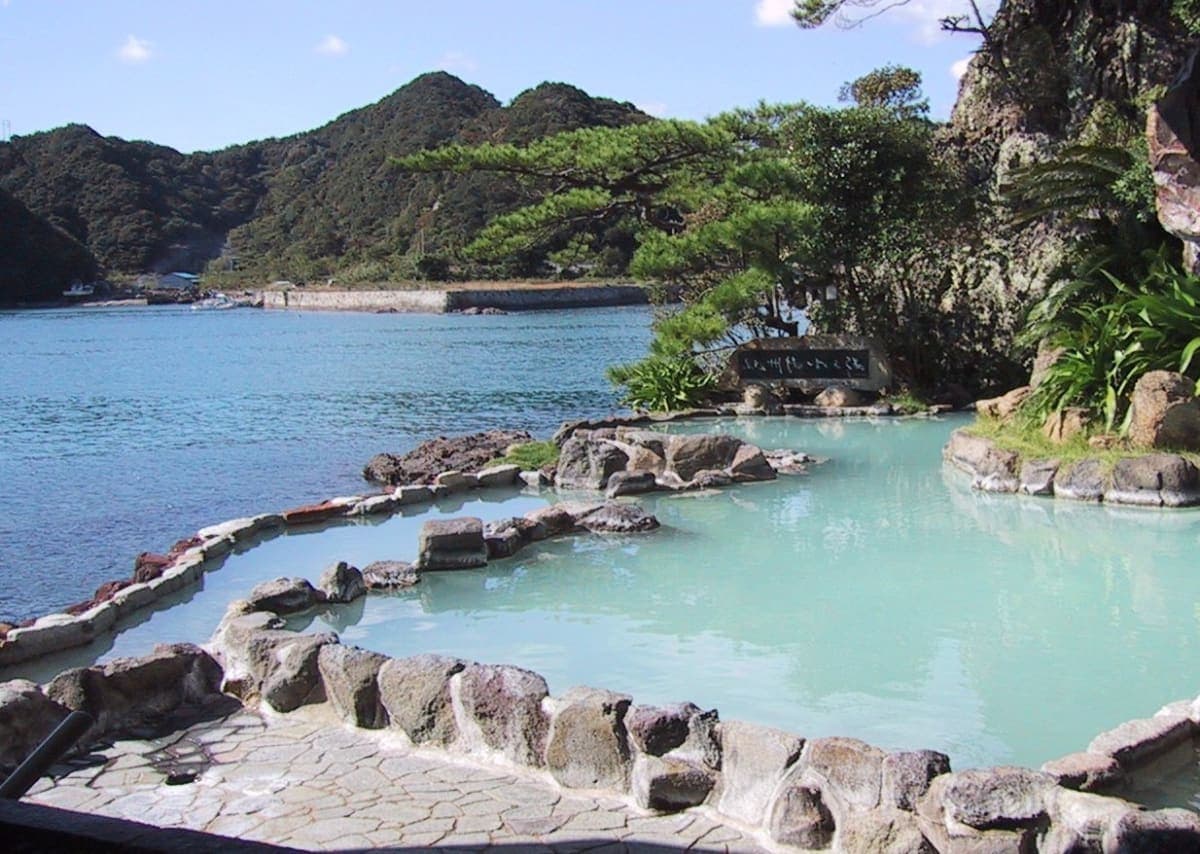
A coastal resort town on the Kii Peninsula with hot springs that have been used by emperors since the seventh century. The setting is rare: a wide white-sand beach backed by hot spring hotels, with the Pacific stretching to the horizon. The ancient outdoor rock baths of Saki-no-Yu sit directly above the ocean.
Data: Wikipedia (CC BY-SA 4.0) · OpenStreetMap (ODbL)
Highlights
- One of Japan's three oldest springs
- Saki-no-Yu ocean-edge baths
- White-sand beach adjacent
- 1,300 years of imperial use
Suitability
Tattoo policy
Policy varies
Children policy
Family-friendly
Altitude
5m
Mineral chemistry
Sodium Chloride (Salt)
Benefits
Sodium chloride springs — essentially natural saltwater baths — are celebrated for their warming and moisturising effects. The salt forms a thin film on the skin after bathing that slows moisture evaporation, keeping skin hydrated longer than a freshwater bath. This "heat-retaining" property means bathers stay warm for significantly longer after leaving the water, making these springs especially popular in winter. Salt springs are among the most accessible for first-time onsen visitors.
Note
Those with high blood pressure or heart conditions should consult a doctor before bathing, as the warming effect increases circulation. Avoid immersing open wounds. The salt will sting slightly in eyes — take care when submerging.
Bicarbonate
Benefits
Bicarbonate springs (sodium bicarbonate, calcium bicarbonate, or hydrogen carbonate) are particularly effective for skin conditions. The bicarbonate ions cleanse and soften the skin surface, removing excess sebum without stripping the skin's acid mantle. These springs are traditionally recommended for acne-prone skin and as a gentle option for sensitive skin types. The water has a characteristically clean, soft feel.
Note
Bicarbonate springs are generally among the most gentle and well-tolerated onsen types. Those with very dry skin may wish to apply moisturiser after bathing, as the cleansing effect can temporarily reduce surface oils.
History
These waters have been in continuous use for over 1,300 years.
The Nihon Shoki, compiled in 720 AD, records that Emperor Saimei visited in 658, and several emperors followed in the centuries after. The springs appear in Japan's oldest poetry anthology, the Man'yoshu. The site was then called Muronoyu, meaning the hot water of the hollow. It served as an imperial retreat on the Kii Peninsula for generations of the aristocracy. The modern resort dates from 1919, when rail access reached the Kii coast. Emperor Showa visited officially in 1929. Today the ancient outdoor baths at Saki-no-Yu look almost exactly as they appear in old engravings: salt water meeting spring water at the cliff edge, with the ocean just below.
Local guide
Shirahama sits at the tip of a low headland on the Kii Peninsula, and the fastest way to grasp what kind of place it is requires only one image. Walk from the JR Shirahama Station down to the beach, and you will find 620 meters of white sand that is so pale and fine it looks like it was imported. It was, actually, at least in part: the town has periodically replenished the beach with sand shipped from Australia to maintain the color and texture that made Shirarahama Beach famous. The Pacific presses up against it, blue and warm in summer, and behind the beach the hotels stack up the hillside in layers. Then notice the steam rising from places that have nothing to do with the hotels. Shirahama has been a hot spring town for approximately 1,350 years, making it one of the oldest onsen resorts in Japan along with Arima and Dogo.
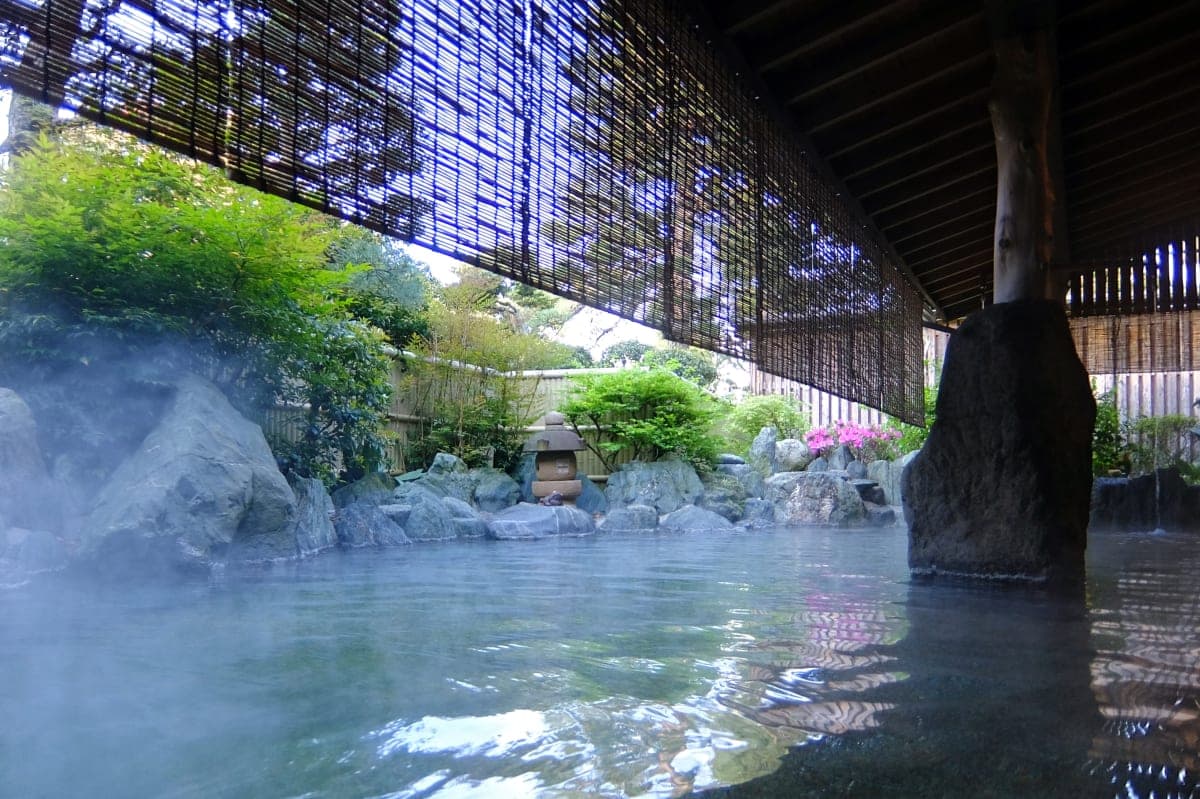
The water is a sodium chloride and sodium bicarbonate spring, neutral at pH 7, and it flows from the earth at temperatures between 40 and 83 degrees depending on the source. The salt content gives it a mild brine quality on the skin, slightly dense and warm in a way that differs from freshwater baths. At the source spring Miyuki-gensen, the water comes out at 78 degrees and is piped to the outdoor baths called Saki no Yu, which sit on a flat rock shelf at the southern point of the headland. The pools are built directly on the rock, open to the sky, and the Pacific Ocean is right there: not visible in the distance but present, audible, occasionally spraying your face when the swell is up. Saki no Yu is the only surviving bath from Yuzaki's Seven Onsen, a group of springs mentioned in the Man'yoshu, an anthology of Japanese poetry compiled around the year 750.
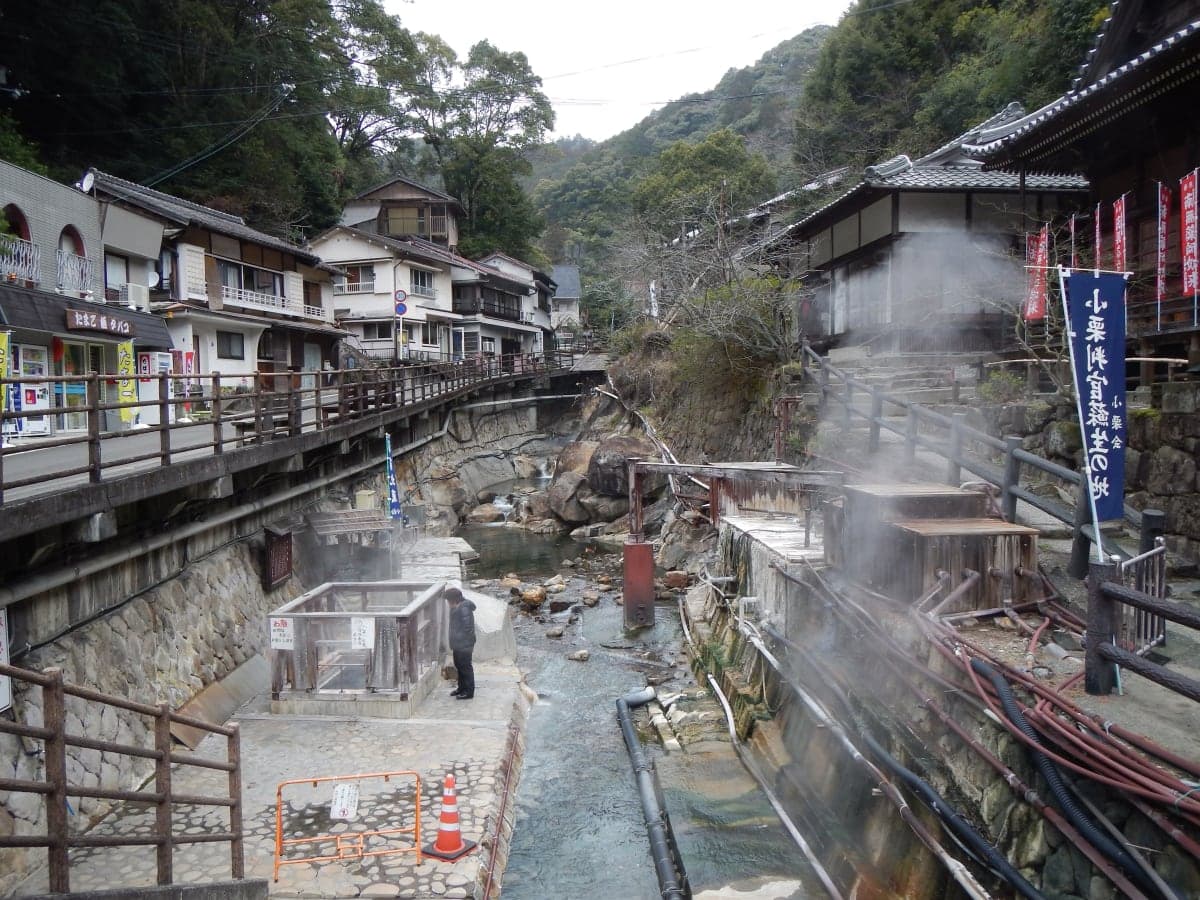
The overlap of beach and spring creates a town with two moods depending on the season. In August, Shirahama is loud with summer crowds and the beach is packed with umbrellas. In late autumn or winter, the place quiets entirely and what remains is the rock, the water, the old spring sources steaming into the cold air, and the Pacific doing its work on the headland. It is in those quieter months that Saki no Yu is most itself: the rocks slick from sea spray, the water hot, the steam mixing with the salt wind.
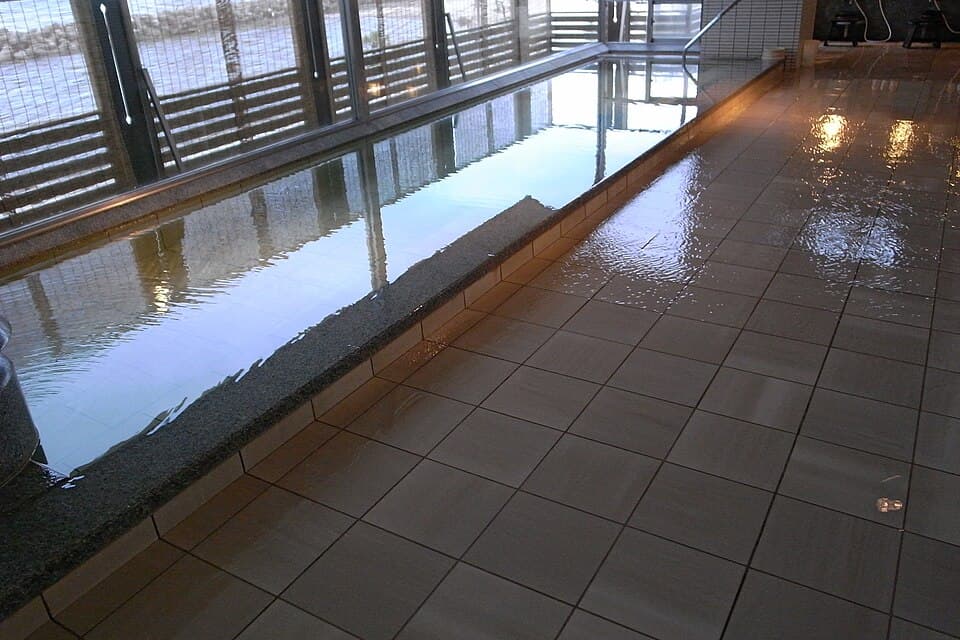
The outdoor bath at Saki no Yu charges a small entry fee and provides nothing beyond the pool and the view. There are no gardens, no attendants in uniform, no gift shop visible from the water. You pay, change, walk out onto the rock shelf, lower yourself into the hot sodium spring, and the ocean is in front of you. This is what 1,350 years of knowing what a hot spring is for looks like.
How this spring compares
pH level
7.0
More alkaline than31% of Japan springs
More acidic than64% of Japan springs
Japan median7.3
Japan range1.2–11.3
n=121 springs
Max temperature
83°C
Hotter than77% of Japan springs
Japan median60°C
Japan hottest105°C
n=122 springs
Getting there
From Osaka, take the JR Kuroshio limited express to Shirahama Station. The ride takes about 2 hours. Local buses connect to the beach and onsen district. From Tokyo, fly direct to Nanki-Shirahama Airport, then take a 10-minute bus or taxi.
Amenities
Towel rental
Locker
Restaurant
Café
Parking
Wheelchair access
English spoken
Tattoo-friendly
Private bath
Soap provided
Hair dryer
Location & nearby
Nakishirahama Onsen, Wakayama
Asso Station · 6.9 km
Kii-Tonda Station · 5.3 km
Shirahama Station · 3.9 km
Nanki-Shirahama Airport · 2.4 km
Kansai International (Osaka) Airport · 84.3 km
Nanki-Shirahama Airport (Kumano-Shirahama Resort Airport) · 2.4 km
Hashiriyu · 0.1 km
Shirarahama Beach · 0.2 km
Mabuyu · 0.3 km
Book a stay nearby
Hotels near Shirahama
83+ optionsSpringsAtlas may earn a commission from bookings made through these links.
More springs in Kansai
1 / 13



Last verified:
Data: OpenStreetMap (ODbL) · local tourism agencies
Verified listing