
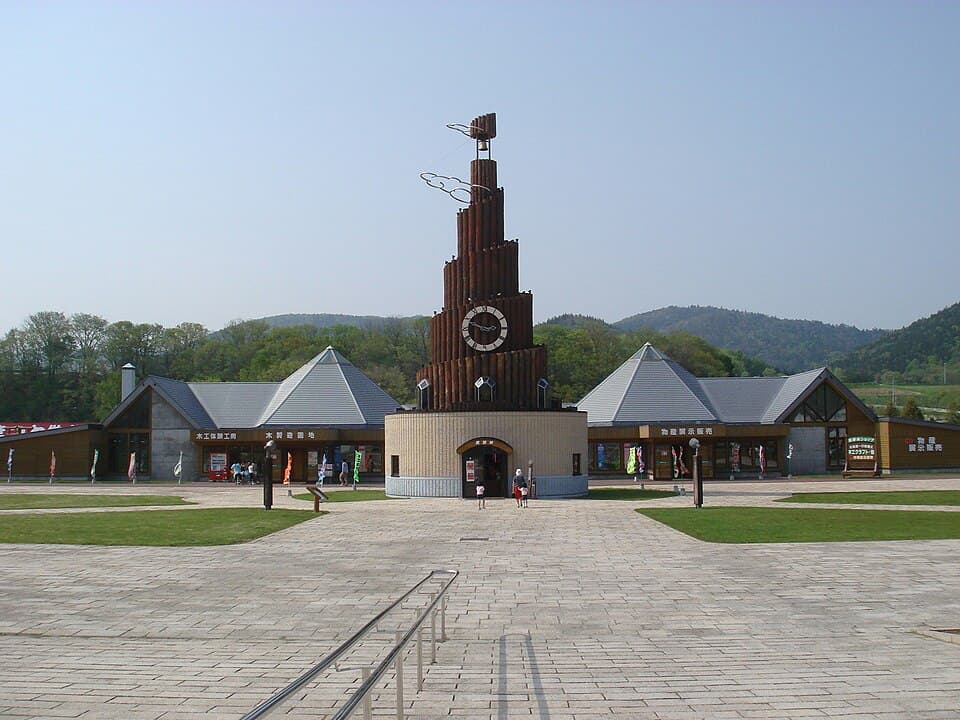

Public · Indoor & Outdoor · ¥1,500
Dai-ichi Takimotokan
第一滝本館
60°CPublic BathIndoor & Outdoorsodium-sulfatehydrogen-sulfideironsodium-bicarbonate
4.5· 2,847 reviewsvia Google
42–60°CWater temp
6.5pH
¥1,500 (~$10)Entry fee
PublicBathing type
—Opening hours
About this spring
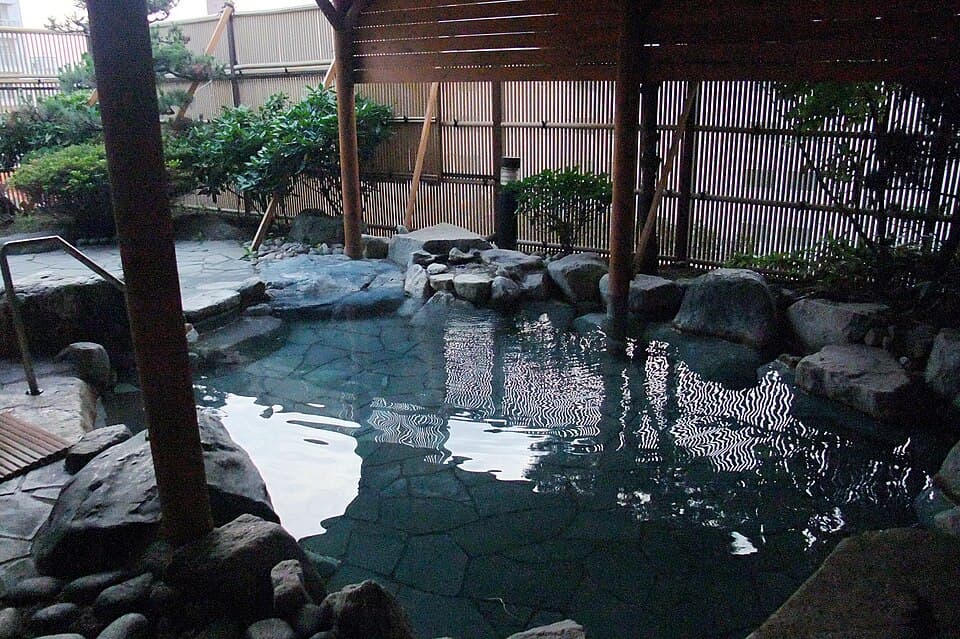
One of Hokkaido's most celebrated bathhouses. Dai-ichi Takimotokan channels water from seven distinct mineral springs into 35 pools spread across multiple floors. Indoor halls open onto outdoor rotenburo overlooking the steam-filled valley below. Day visitors are welcome without an overnight stay.
Data: Wikipedia (CC BY-SA 4.0) · OpenStreetMap (ODbL)
Highlights
- 35 pools from 7 springs
- Jigokudani valley views
- Sulfur pools for skin
- Iron-rich pools
- Day visitor access
Suitability
Tattoo policy
Welcome
Children policy
Family-friendly
Altitude
200m
Mineral chemistry
Sulfate
Benefits
Sulfate springs (硫酸塩泉) contain dissolved calcium, sodium, or magnesium sulfate and are among the most therapeutically versatile spring types. Calcium sulfate springs are traditionally associated with wound healing and post-surgical recovery — the calcium ions support tissue repair and the sulfate has mild astringent properties. Sodium sulfate springs are linked to liver and digestive function; they are one of the few spring types used in Japan's national spa therapy clinics for chronic digestive complaints. The water typically has a clean, slightly bitter mineral taste.
Note
Sulfate springs are generally well-tolerated. Those with kidney stones of the calcium oxalate type should consult a doctor before bathing regularly. Sodium sulfate springs can have a mild laxative effect in sensitive individuals — stay hydrated.
Sulfur
Benefits
Sulfuric hot springs are among the most studied in Japanese balneology. The sulfur compounds — primarily hydrogen sulfide and thiosulfate — have documented antimicrobial and anti-inflammatory properties. Regular bathing is associated with relief from chronic skin conditions including eczema and psoriasis, as well as joint inflammation and muscle soreness. Sulfuric waters have been prescribed in Japanese medical practice since the Edo period.
Note
The distinctive rotten-egg smell dissipates quickly after leaving the bath. Avoid if you have a sulfur allergy, very sensitive skin, or respiratory conditions. Remove silver jewellery before entering — sulfur will blacken it permanently.
Iron
Benefits
Iron-bearing springs are recognised by their characteristic rust-red or amber colour and metallic taste. The iron content — primarily ferrous bicarbonate or ferric sulfate — is associated with stimulation of red blood cell production and is traditionally recommended for anaemia and fatigue recovery. The distinctive colouring comes from iron oxidising on contact with air and is not a sign of contamination.
Note
Iron springs will stain light-coloured swimwear and towels a persistent brownish-orange. Avoid wearing white or light fabrics into the water. Those with haemochromatosis (iron overload condition) should seek medical advice before bathing.
Bicarbonate
Benefits
Bicarbonate springs (sodium bicarbonate, calcium bicarbonate, or hydrogen carbonate) are particularly effective for skin conditions. The bicarbonate ions cleanse and soften the skin surface, removing excess sebum without stripping the skin's acid mantle. These springs are traditionally recommended for acne-prone skin and as a gentle option for sensitive skin types. The water has a characteristically clean, soft feel.
Note
Bicarbonate springs are generally among the most gentle and well-tolerated onsen types. Those with very dry skin may wish to apply moisturiser after bathing, as the cleansing effect can temporarily reduce surface oils.
History
The story begins with a carpenter named Kinzo Takimoto who arrived in Hokkaido in 1858.
His wife Sata suffered from a severe skin condition. He had heard about the healing waters at Noboribetsu. He built a small hut beside the springs and bathed her there until she recovered. He stayed. In 1881 he funded a new road through the valley to improve access. In 1888 a proper two-storey building was erected and named Yumoto Takimoto. Commercial bathing for paying guests followed by 1898. The Meiji and Taisho eras brought wave after wave of expansion. In 1953 the facility was renamed Dai-ichi Takimotokan. It continues today under the same spirit of hospitality that Kinzo Takimoto established when he carried his ailing wife up to these steaming waters nearly 170 years ago.
Local guide
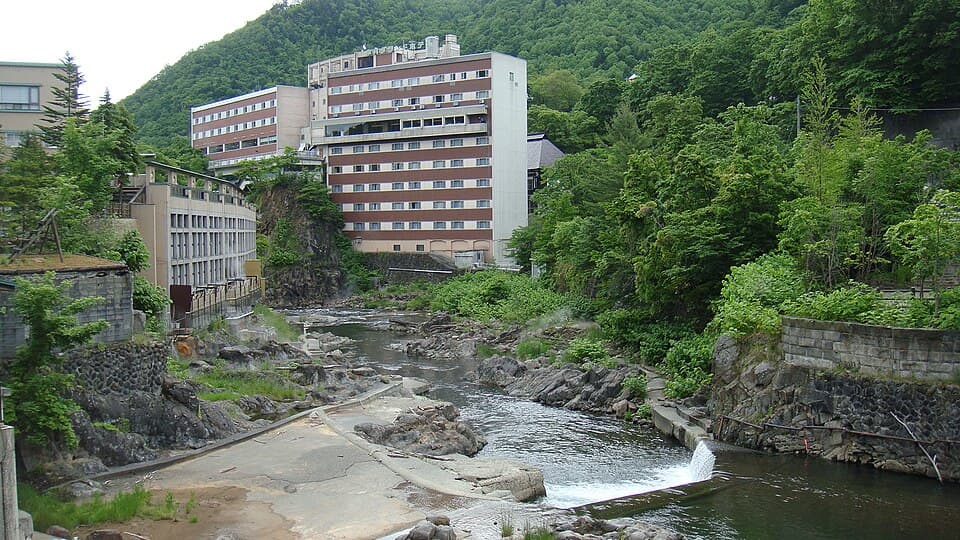
The Donan Bus from Noboribetsu Station takes twenty minutes to climb up through mixed Hokkaido forest before the road levels out at the Noboribetsu Onsen bus terminal. From there you walk uphill past souvenir shops selling bear carvings and jigoku-themed snacks until the entrance of Dai-ichi Takimotokan appears on the left, a large building that has been receiving visitors since 1858. The smell arrives before the building does. Jigoku-dani, Hell Valley, is directly above and behind the hotel, and the sulfur compounds rolling down off the volcanic crater are dense enough in still weather to make your eyes water slightly.
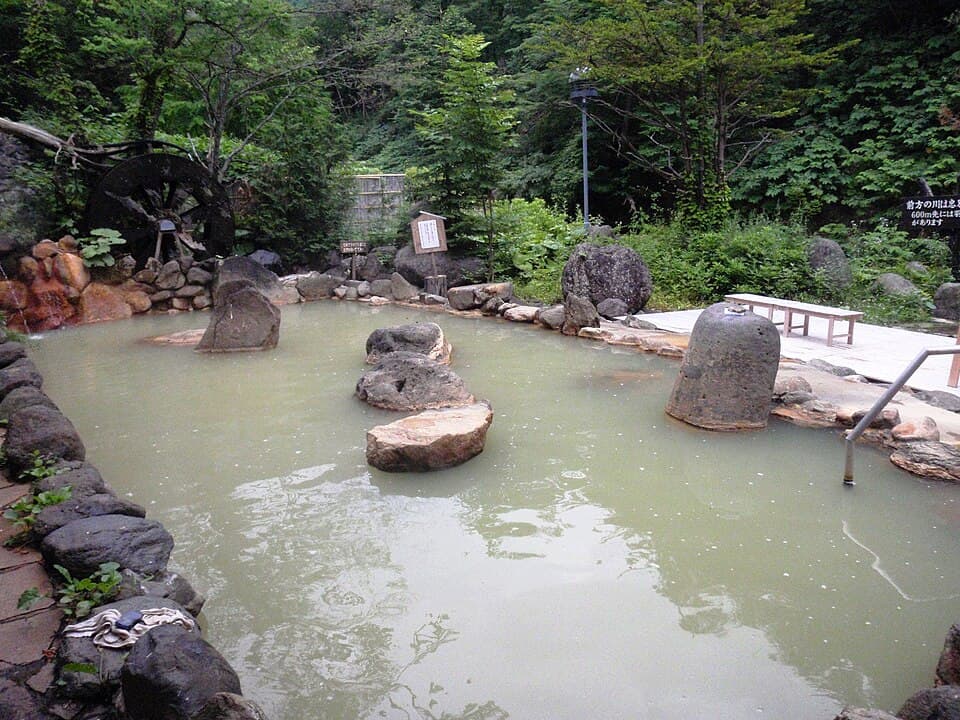
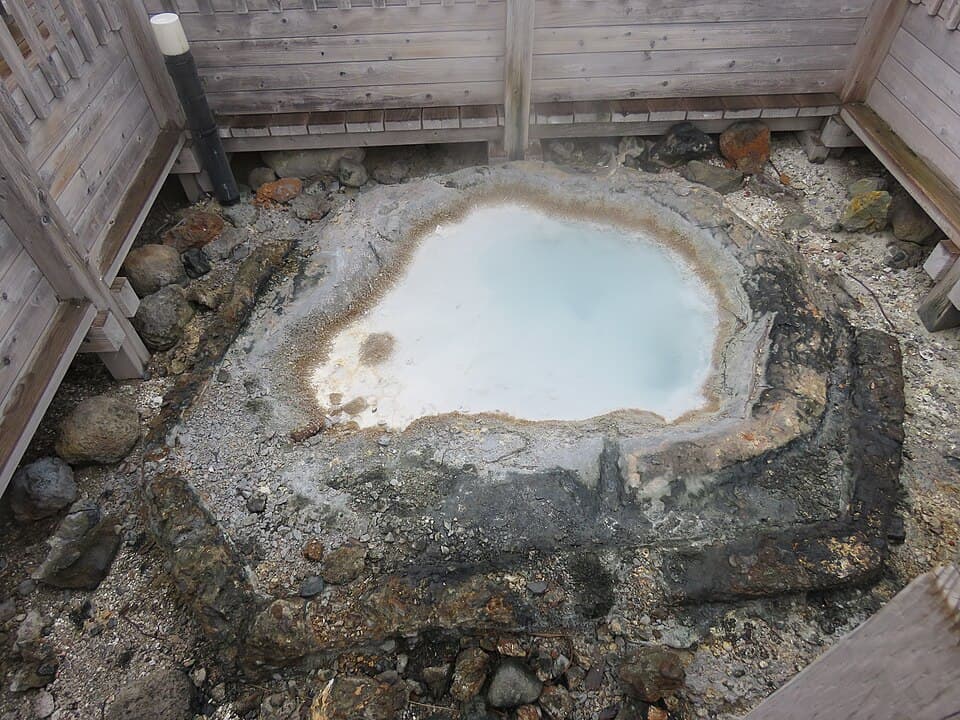
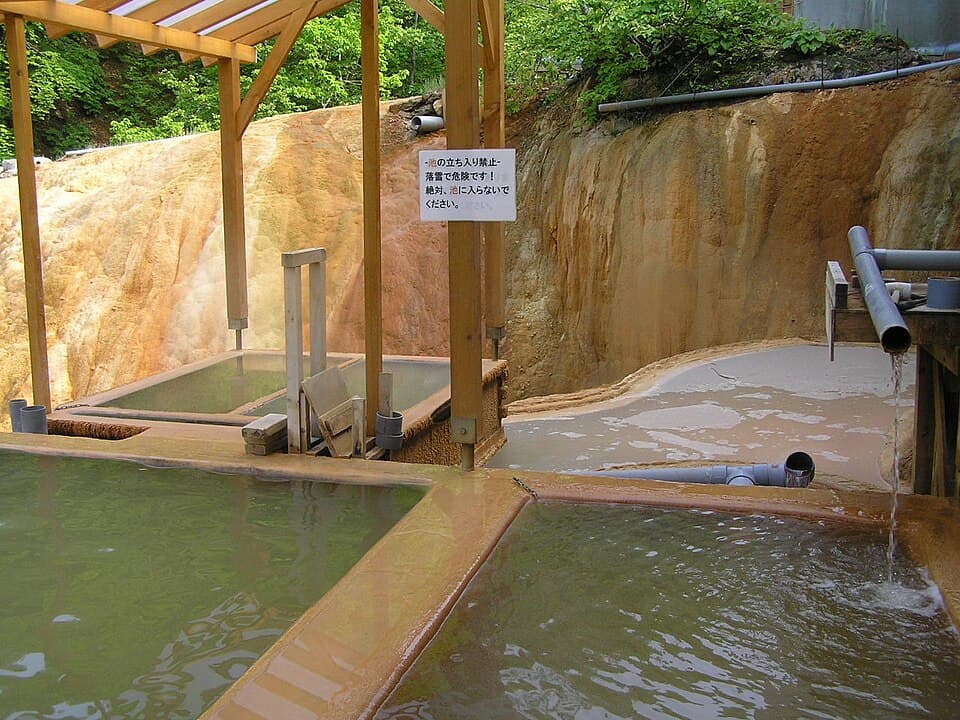
Dai-ichi Takimotokan pipes water from seven chemically distinct springs in Hell Valley into 35 separate pools spread across multiple floors. The variety is not a marketing claim but a practical consequence of Jigoku-dani's unusual geology. The hydrogen sulfide pools are a milky white with a sharp sulfur bite. The iron pools are rust-brown and leave the skin feeling coated after a soak. The sodium bicarbonate baths are clear with a soft, almost soapy quality. The salt pools feel dense and warming. Moving from one pool to the next over an hour or two is less like taking a bath than like conducting a chemistry survey of the earth's interior, each room a different temperature, a different color, a different sensation on the skin.
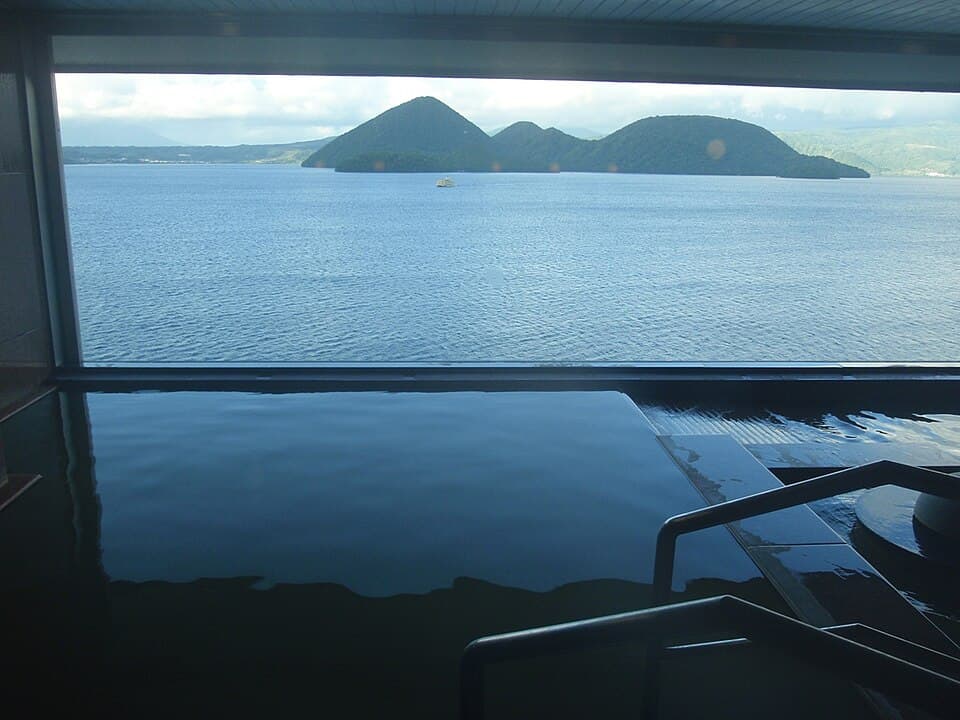
The outdoor rotenburo look down over Jigoku-dani directly, an 11-hectare volcanic crater formed 10,000 years ago and now a landscape of bleached rock, bubbling mud pools, and steam vents that have been operating continuously since then. A boardwalk trail through the valley is available for day visitors, but the view from the outdoor bath is different. You sit in the water at around 42 degrees while the steam from your pool mixes with the steam from the valley below, and the boundary between the bathing water and the geothermal landscape becomes unclear in a way that is genuinely disorienting.
Day visitors without overnight reservations are welcome at Dai-ichi Takimotokan, which makes it unusual among the larger onsen facilities in Hokkaido. You pay the entry fee, leave your shoes, and have access to all 35 pools for as long as you want. Most people stay three or four hours. Some people stay longer. The pools on the lower floors tend to be quieter in the late afternoon, and the iron-brown bath in the basement wing, the one that stains the tiles permanently orange, tends to be where the more dedicated bathers congregate.
How this spring compares
pH level
6.5
More alkaline than19% of Japan springs
More acidic than75% of Japan springs
Japan median7.3
Japan range1.2–11.3
n=121 springs
Max temperature
60°C
Hotter than49% of Japan springs
Japan median60°C
Japan hottest105°C
n=122 springs
Getting there
Hokkaido Shinkansen→ Shin-Hakodate-Hokuto4h
Limited Express Hokuto to Noboribetsu Station, then Donan Bus (~20 min)
Total: 5h
Hokkaido Shinkansen→ Shin-Hakodate-Hokuto4h
Limited Express Hokuto to Noboribetsu Station, then Donan Bus
Total: 5h 30m
From Noboribetsu Station, take the Donan Bus on the Noboribetsu Onsen line. The ride takes about 20 minutes. Get off at the Noboribetsu Onsen bus terminal, then walk 5 minutes uphill past the tourist shops.
Amenities
Towel rental
Locker
Restaurant
Café
Parking
Wheelchair access
English spoken
Tattoo-friendly
Private bath
Soap provided
Hair dryer
Location & nearby
55 Noboribetsuonsencho, Noboribetsu, Hokkaido 059-0551
Shin-Sapporo Station · 101 kmShinkansen
Tomiura Station · 11.1 km
Horobetsu Station · 9.7 km
Mareppu Station · 12 km
New Chitose Airport · 63.7 km
Okadama (Sapporo sub-airport) Airport · 76.8 km
Shiraoi Flying Club · 19.8 km
Shiryokan-mae (Bus Stop) · 7.4 km
Shin-Ōi 21 Mae (Bus Stop) · 7.7 km
Ashichu Chuo Mae (Bus Stop) · 7.9 km
More springs in Hokkaido
1 / 13


Last verified:
Data: OpenStreetMap (ODbL) · local tourism agencies
Verified listing