
Public · Indoor & Outdoor · ¥1,500
41–51°CWater temp
8.8pH
¥1,500 (~$10)Entry fee
PublicBathing type
—Opening hours
About this spring
A quiet hot spring village in the Rubeshibe district of eastern Hokkaido, its name taken directly from the Ainu language: onne meaning large and yu meaning hot spring. The village sits surrounded on three sides by the overlapping territories of the Akan, Daisetsuzan, and Shiretoko national parks. The waters are a sodium sulfate spring known for skin-softening effects.
Data: Wikipedia (CC BY-SA 4.0) · OpenStreetMap (ODbL)
Highlights
- Ainu heritage name
- Three national parks surrounding
- Skin-softening sodium sulfate
- Fox farm roadside stop
Suitability
Tattoo policy
Not permitted
Children policy
Family-friendly
Altitude
200m
Mineral chemistry
Sulfur
Benefits
Sulfuric hot springs are among the most studied in Japanese balneology. The sulfur compounds — primarily hydrogen sulfide and thiosulfate — have documented antimicrobial and anti-inflammatory properties. Regular bathing is associated with relief from chronic skin conditions including eczema and psoriasis, as well as joint inflammation and muscle soreness. Sulfuric waters have been prescribed in Japanese medical practice since the Edo period.
Note
The distinctive rotten-egg smell dissipates quickly after leaving the bath. Avoid if you have a sulfur allergy, very sensitive skin, or respiratory conditions. Remove silver jewellery before entering — sulfur will blacken it permanently.
History
The Ainu people used these sodium sulfate waters for therapeutic bathing as part of their traditional relationship with the land, and the Ainu place name confirms their long knowledge of the site.
Commercial operations began in 1899 in the Meiji era, as the government's colonization program was actively opening Hokkaido to settlement. The resort expanded through the early twentieth century, drawing workers and settlers from the growing town of Kitami to the west.
Local guide
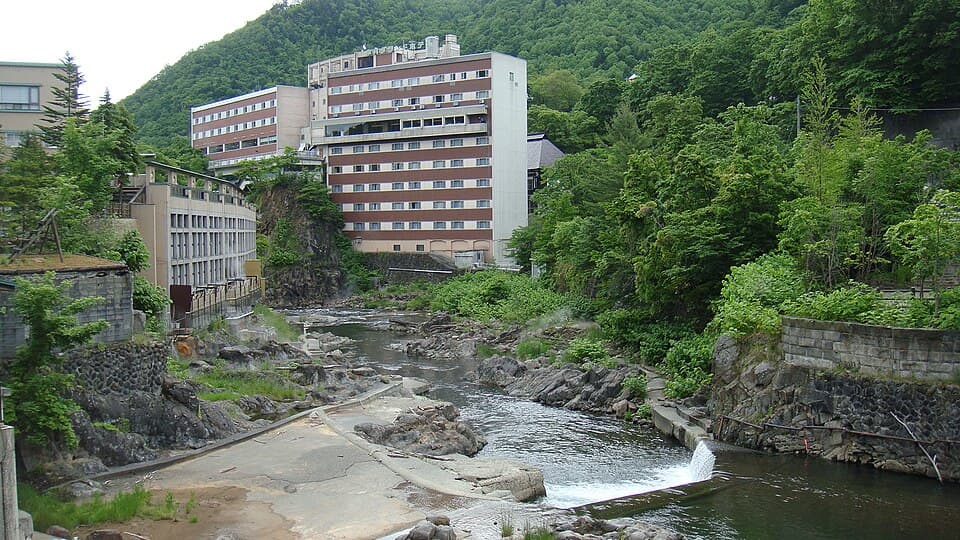
Kitami is not on most travel itineraries for Hokkaido. The city sits inland in the eastern part of the island, an hour and fifteen minutes from Memanbetsu Airport, in the kind of quiet agricultural and forest country that tourists pass through on the way to Akan or Shiretoko. Onneyu Onsen is about forty minutes from Kitami by car, tucked into a valley of Japanese larch and mixed Hokkaido forest where the Rubeshibe River runs clear and cold. The town opened its first bath in 1899 and has been running continuously since then, which is a long time to stay relevant in a prefecture full of competing springs.
The water at Onneyu is a simple alkaline spring with a pH of 8.8, which places it firmly in the category the Japanese call bijin-no-yu, or water that makes skin beautiful. The chemistry at work is straightforward: the high alkalinity dissolves dead skin cells gently, and the sodium bicarbonate content softens the water until it feels like something other than just hot water. The texture is what visitors notice first. Not silky exactly, more like the resistance of the water has been reduced, so it moves against your skin differently than it should. When you step out, your skin is noticeably smoother and stays that way for longer than you expect.
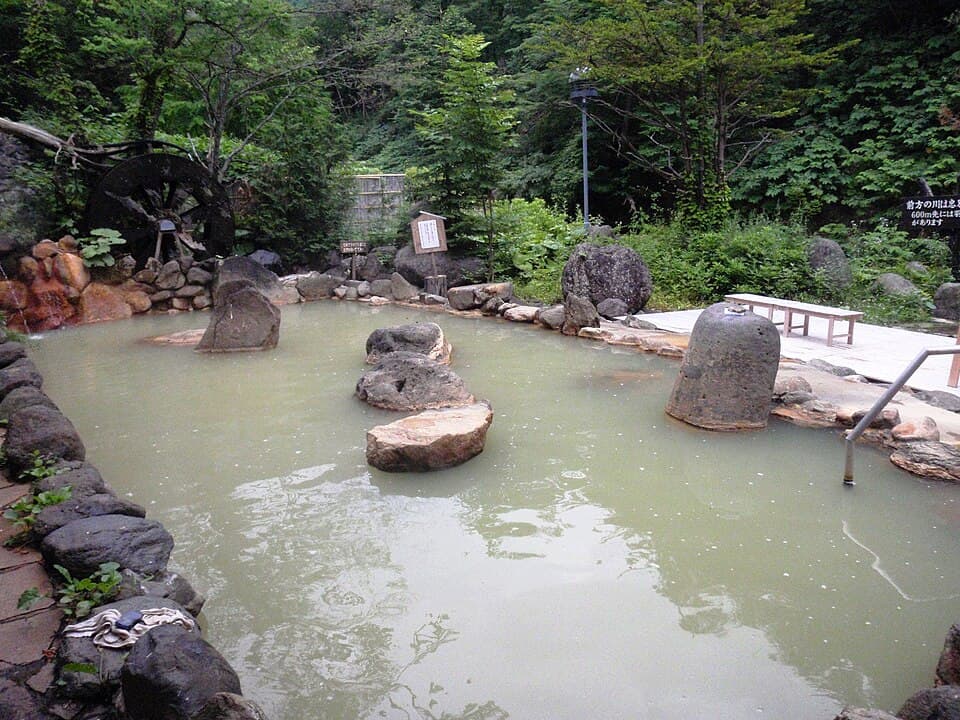
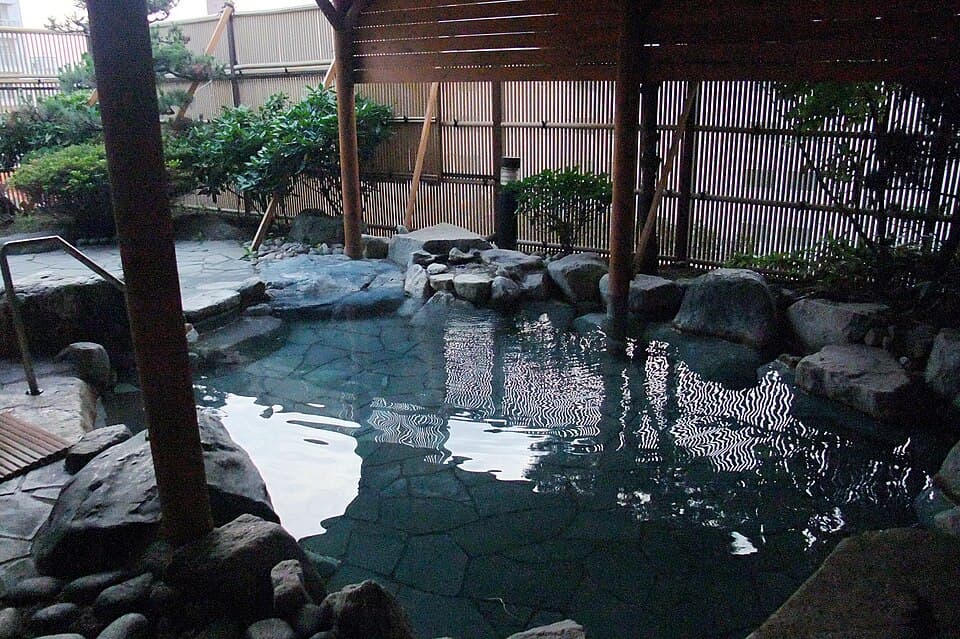
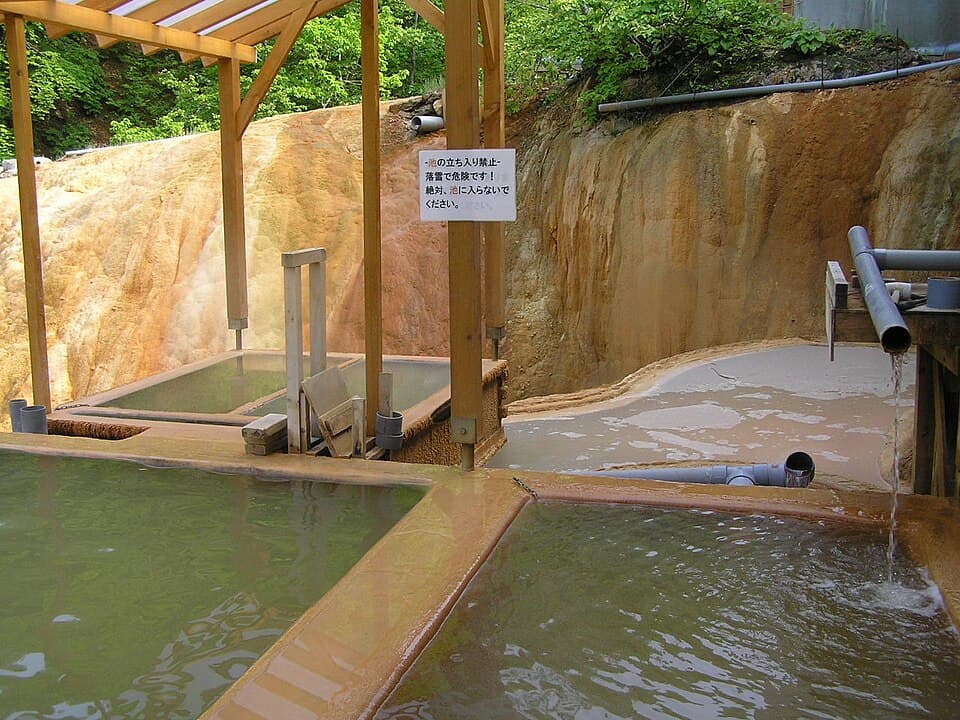
The springs here are all run as gensen kakenagashi, meaning fresh water flows directly from the source into the bath without dilution, heating, or recirculation. This is an increasingly rare practice in Japan, where energy costs push many operators toward recycling. At Onneyu, every bath is drawing live water from the ground. The temperature is consistent, the clarity is complete, and the faint smell of the spring, something between fresh mineral water and clean stone, tells you the water has not been sitting in a tank.
From the forest walking course above the town, on a clear day, you can see the faint outline of the Daisetsuzan range to the southwest, sixty kilometers away. In winter the larch trees drop their needles and the forest goes grey and silver, and the steam from the outdoor baths rises straight up in the cold air with no wind to disperse it. Onneyu is the kind of place that rewards choosing it deliberately rather than arriving by accident, because nothing here shouts for your attention.
How this spring compares
pH level
8.8
More alkaline than91% of Japan springs
More acidic than8% of Japan springs
Japan median7.3
Japan range1.2–11.3
n=121 springs
Max temperature
51°C
Hotter than30% of Japan springs
Japan median60°C
Japan hottest105°C
n=122 springs
Getting there
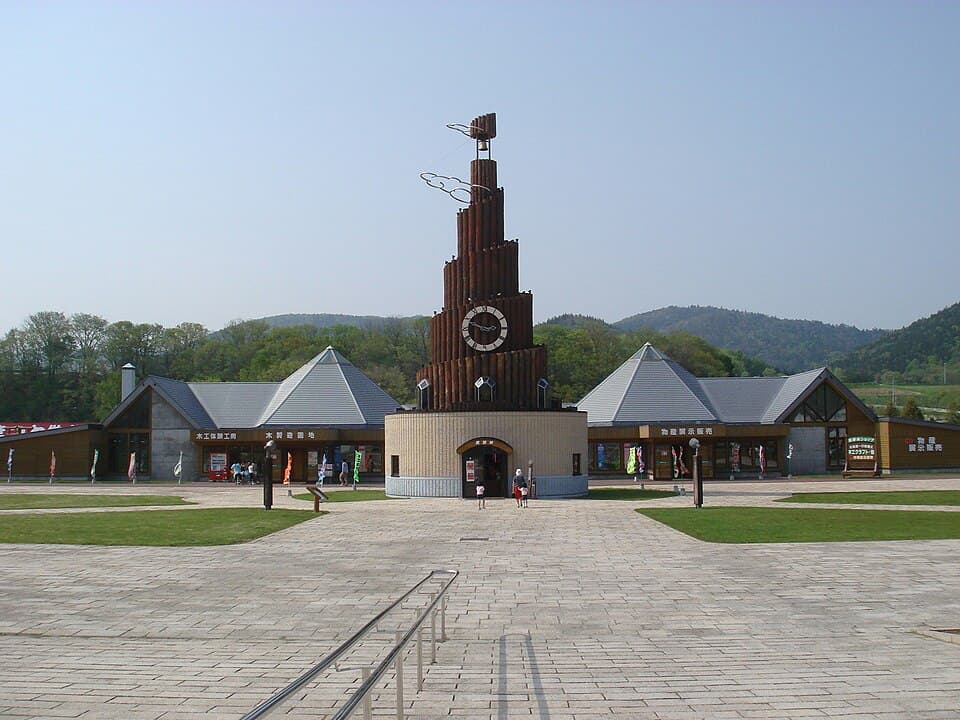
From Kitami City, drive west for about 40 minutes on National Highway 39, or take a Kitami Bus from Rubeshibe Station to the Michi-no-Eki Onneyu Onsen roadside stop, about 25 minutes. From Memanbetsu Airport, the drive takes about 75 minutes.
Amenities
Towel rental
Locker
Restaurant
Café
Parking
Wheelchair access
English spoken
Tattoo-friendly
Private bath
Soap provided
Hair dryer
Location & nearby
Onneyu Onsen, Kitami, Hokkaido
Nishi-Rubeshibe Station · 8.5 km
Ikutahara Station · 18.8 km
Rubeshibe Station · 9.9 km
Memanbetsu (Okhotsk-Abashiri) Airport · 54.6 km
Monbetsu Airport · 61.5 km
Kitami Farm Road Airfield (Skyport Kitami) · 18.3 km
Daisenji · 0.1 km
Onneyushinryojyo · 0.2 km
Onneyunokyo · 0.2 km
Book a stay nearby
Hotels near Onneyu
8+ optionsSpringsAtlas may earn a commission from bookings made through these links.
More springs in Hokkaido
1 / 13


Last verified:
Data: OpenStreetMap (ODbL) · local tourism agencies
Verified listing