
Public · Outdoor · Free
Noboribetsu Jigokudani
登別地獄谷
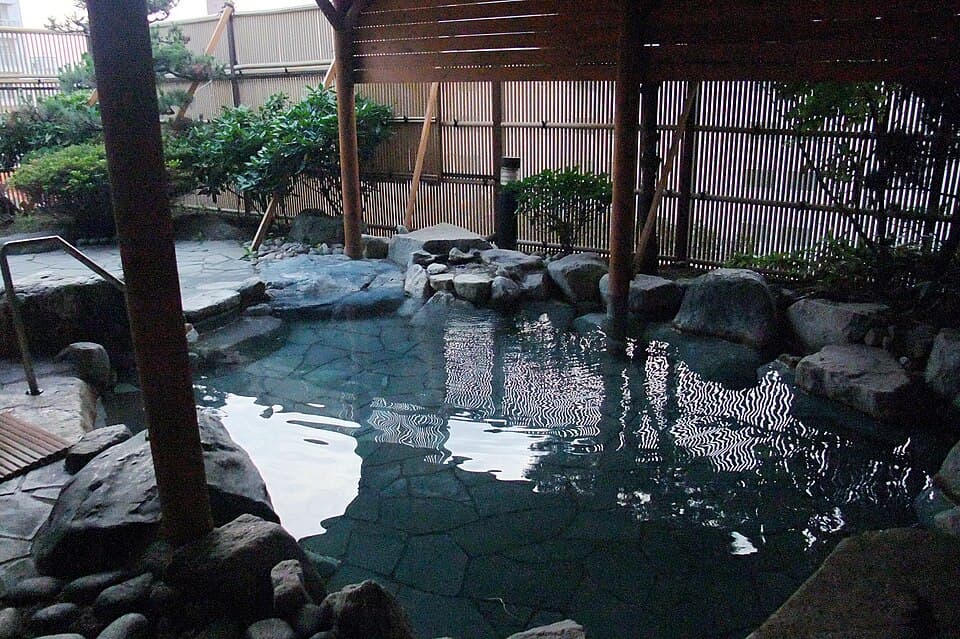
90°CPublic BathOutdoorsulfursodium-chlorideironacidicsodium-bicarbonateFree entry
4.4· 14,156 reviewsvia Google
45–90°CWater temp
2.2pH
FreeEntry fee
PublicBathing type
—Opening hours
About this spring
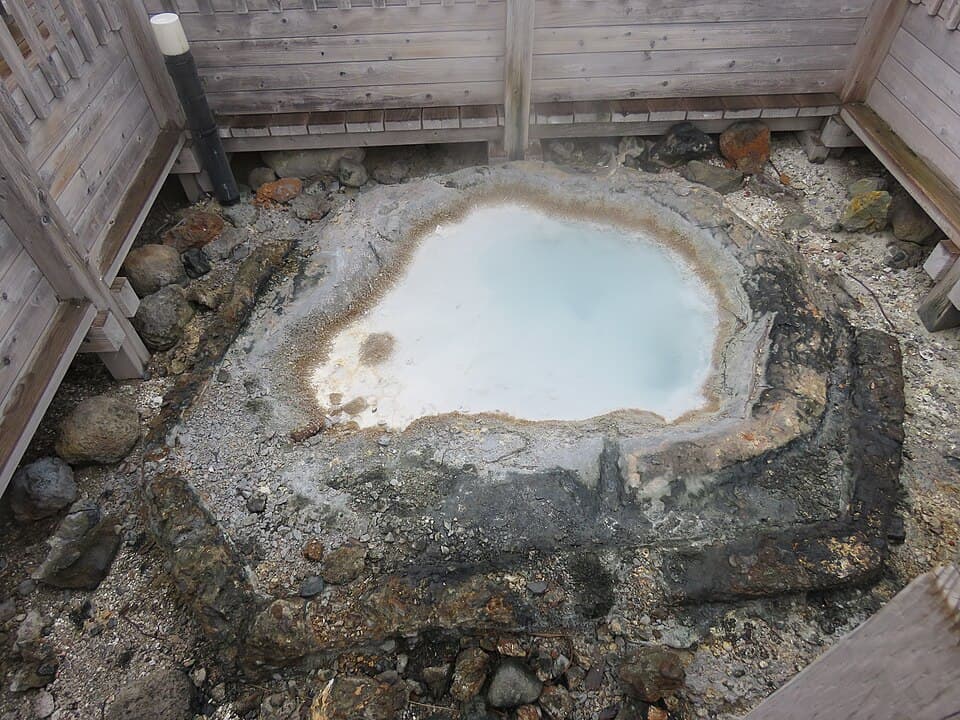
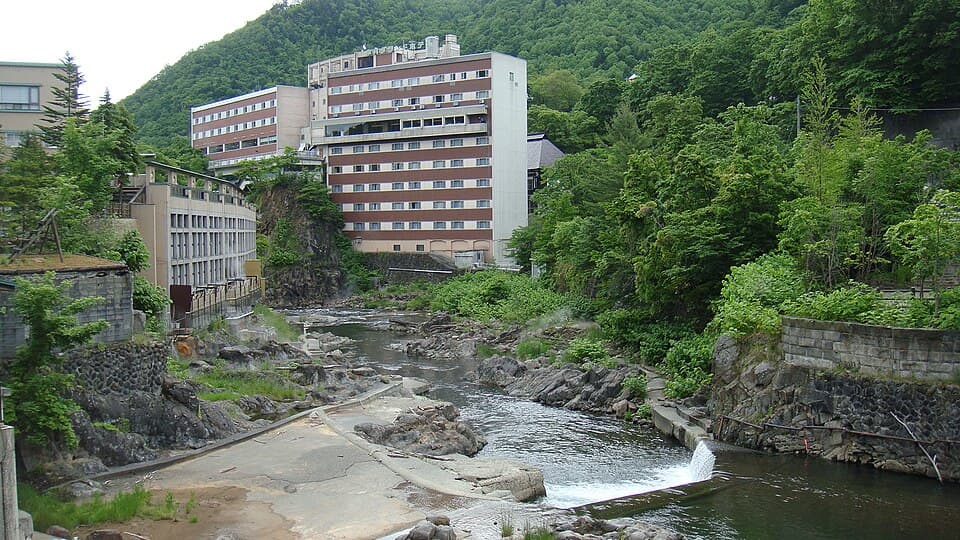
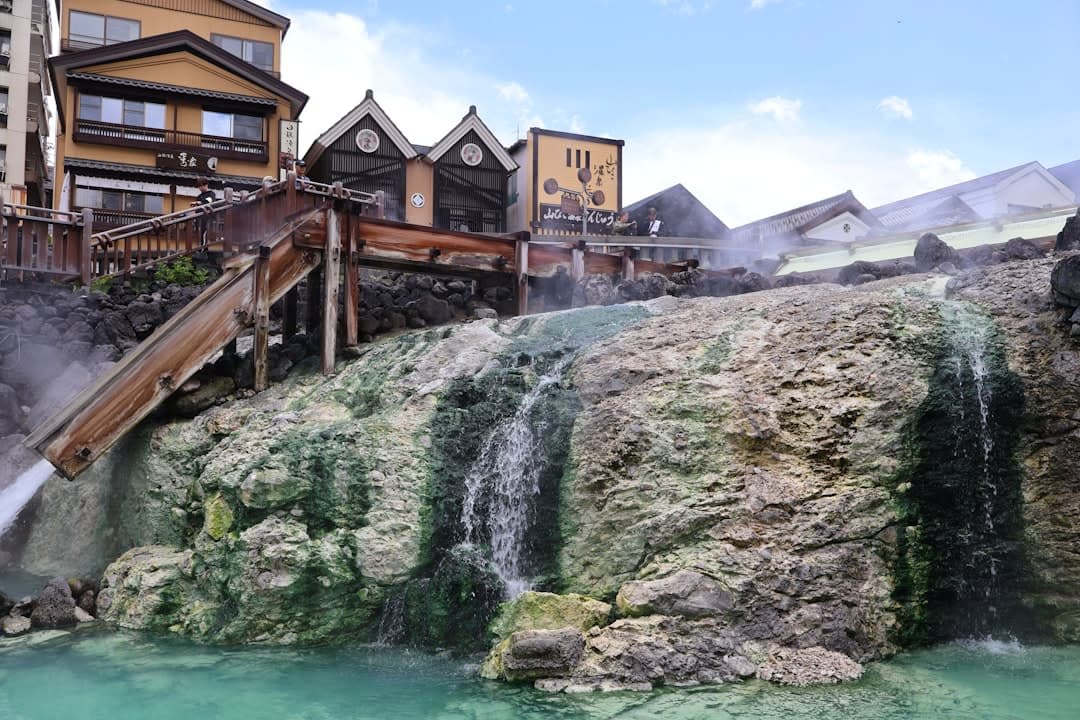
The volcanic crater valley at the heart of Noboribetsu Onsen, Hokkaido. Jigokudani means Hell Valley. The 11-hectare crater discharges about 10,000 tonnes of spring water daily. The landscape of fumaroles, boiling pools, and mineral-stained cliffs is raw and dramatic. A 20-minute walking path through the valley is free to all visitors and is one of the most extraordinary landscapes you can walk through in Japan.
Data: Wikipedia (CC BY-SA 4.0) · OpenStreetMap (ODbL)
Highlights
- Free Hell Valley walking path
- 10,000 tonnes discharged daily
- Nine spring types nearby
- One of Japan's most dramatic landscapes
Suitability
Tattoo policy
Policy varies
Children policy
Family-friendly
pH note
Highly acidic (pH 2.2)
Altitude
200m
Mineral chemistry
Sulfur
Benefits
Sulfuric hot springs are among the most studied in Japanese balneology. The sulfur compounds — primarily hydrogen sulfide and thiosulfate — have documented antimicrobial and anti-inflammatory properties. Regular bathing is associated with relief from chronic skin conditions including eczema and psoriasis, as well as joint inflammation and muscle soreness. Sulfuric waters have been prescribed in Japanese medical practice since the Edo period.
Note
The distinctive rotten-egg smell dissipates quickly after leaving the bath. Avoid if you have a sulfur allergy, very sensitive skin, or respiratory conditions. Remove silver jewellery before entering — sulfur will blacken it permanently.
Sodium Chloride (Salt)
Benefits
Sodium chloride springs — essentially natural saltwater baths — are celebrated for their warming and moisturising effects. The salt forms a thin film on the skin after bathing that slows moisture evaporation, keeping skin hydrated longer than a freshwater bath. This "heat-retaining" property means bathers stay warm for significantly longer after leaving the water, making these springs especially popular in winter. Salt springs are among the most accessible for first-time onsen visitors.
Note
Those with high blood pressure or heart conditions should consult a doctor before bathing, as the warming effect increases circulation. Avoid immersing open wounds. The salt will sting slightly in eyes — take care when submerging.
Iron
Benefits
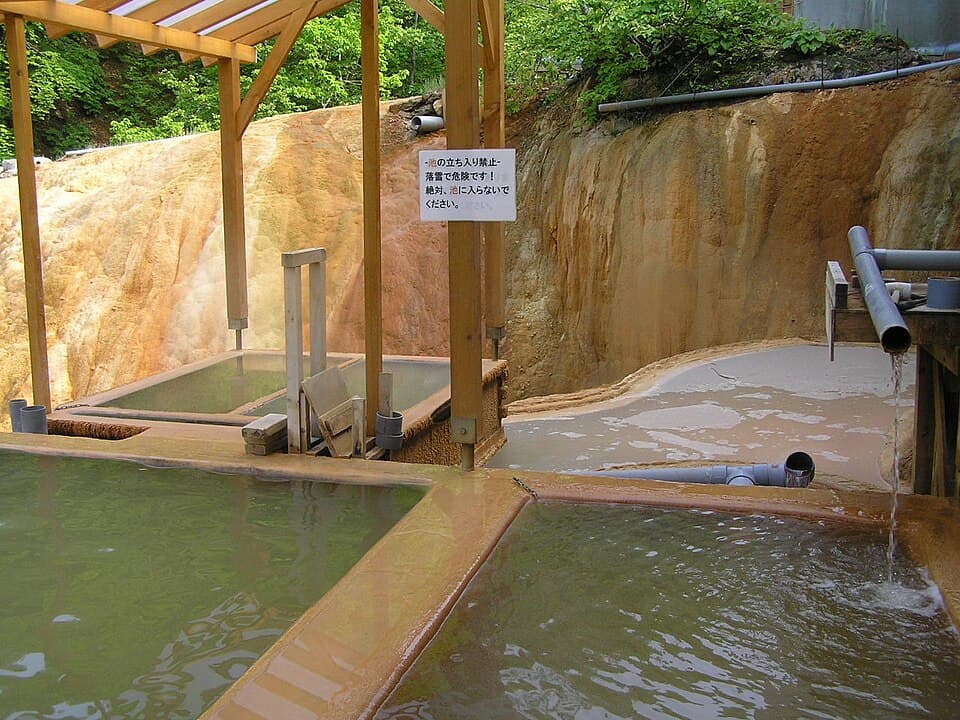
Iron-bearing springs are recognised by their characteristic rust-red or amber colour and metallic taste. The iron content — primarily ferrous bicarbonate or ferric sulfate — is associated with stimulation of red blood cell production and is traditionally recommended for anaemia and fatigue recovery. The distinctive colouring comes from iron oxidising on contact with air and is not a sign of contamination.
Note
Iron springs will stain light-coloured swimwear and towels a persistent brownish-orange. Avoid wearing white or light fabrics into the water. Those with haemochromatosis (iron overload condition) should seek medical advice before bathing.
Acidic
Benefits
Acidic springs (pH below 6) have natural exfoliating properties. The low pH gently dissolves dead skin cells, leaving skin noticeably smoother after a soak. Strongly acidic springs (pH below 3) also carry antimicrobial effects potent enough that they have historically been used to treat skin infections. Japan has some of the world's most acidic hot springs, with a handful recording pH values below 2.
Note
Limit initial soaks to 3–5 minutes until you know how your skin responds. Rinse thoroughly with fresh water afterwards to neutralise the acid. Not recommended for broken skin, active eczema flare-ups, fresh tattoos, or children under 10. Strongly acidic springs (pH below 3) should not be entered without checking recommended soak times on-site.
Bicarbonate
Benefits
Bicarbonate springs (sodium bicarbonate, calcium bicarbonate, or hydrogen carbonate) are particularly effective for skin conditions. The bicarbonate ions cleanse and soften the skin surface, removing excess sebum without stripping the skin's acid mantle. These springs are traditionally recommended for acne-prone skin and as a gentle option for sensitive skin types. The water has a characteristically clean, soft feel.
Note
Bicarbonate springs are generally among the most gentle and well-tolerated onsen types. Those with very dry skin may wish to apply moisturiser after bathing, as the cleansing effect can temporarily reduce surface oils.
History
The volcanic landscape began forming about 15,000 years ago with the eruption of Mount Kutaraku.
The Ainu people knew this valley and called the dark river flowing from it nupur-pet, meaning murky river, which became the name Noboribetsu. Edo-period explorer Mogami Tokunai documented the area in 1790. The first therapeutic bathing inn was established in 1858. The valley was designated a protected landscape in 1934. Today nine distinct spring types, including sulfur, salt, iron, and alum waters, emerge within walking distance of each other.
Local guide
The bus from Noboribetsu Station climbs for about twenty minutes through ordinary suburbs before the landscape shifts without warning. The road narrows, the trees press in closer, and then the air starts to smell wrong in a good way — sharp and sulfurous, like the earth has cracked open just ahead of you. When you step off at the Noboribetsu Onsen bus terminal and walk five minutes uphill, you arrive at the rim of Jigokudani. There is no soft introduction. The valley floor is smoking, the rock is stained yellow and rust-orange and white with mineral deposits, and the sound of the ground hissing at you is constant and slightly unsettling.
Jigokudani is a volcanic crater left by an ancient explosion, and it now pushes out roughly 10,000 tons of spring water every single day. That water comes in multiple chemistries depending on which vent it exits from. Some pools are a milky blue-white from dissolved sulfur, with a thin skin of fine particles that clings to your arm when you reach in. Others are clear and acidic enough to sting a small cut. The temperature across the valley ranges from a hot 45 degrees up past 90 where the vents are most active, and on cold mornings the steam rises so thick you lose sight of the boardwalk ten meters ahead.
What makes Jigokudani different from every other geothermal site in Japan is that the valley is alive with mythology as much as steam. The town fills its streets with oni, the horned demon figures of Japanese folklore, who are said to dwell in the valley and guard its waters. A giant red oni statue stands at the edge of town, and every few hundred meters along the boardwalk you find smaller ones grinning from rock ledges. According to local legend, the Yukijin demons appear on the eighty-eighth night after the first day of spring to retrieve all illness and misfortune from the town, burning them away in fire. That is not a piece of history anyone here takes lightly.
The single best moment at Jigokudani happens on Thursday and Friday evenings in summer. At 8:30pm, fireworks launch directly from the Hell Valley Observatory, sending colored light crashing over the smoking crater. From below on the boardwalk, the rockets burst overhead while the ground beneath you literally steams and hisses. It is a strange, slightly chaotic, utterly Japanese experience that you will not find replicated anywhere else. Come in the morning for the stillness and the chemistry lesson. Come in the evening for the fire.
How this spring compares
pH level
2.2
More alkaline than7% of Japan springs
More acidic than91% of Japan springs
Japan median7.3
Japan range1.2–11.3
n=121 springs
Max temperature
90°C
Hotter than82% of Japan springs
Japan median60°C
Japan hottest105°C
n=122 springs
Getting there
From Sapporo, take the JR limited express Hokuto toward Hakodate and alight at Noboribetsu Station. The journey takes about 75 minutes. From the station, take the Donan Bus up to the onsen district in about 15 minutes. By car from New Chitose Airport, the Doo Expressway to Noboribetsu IC takes about 40 minutes.
Amenities
Towel rental
Locker
Restaurant
Café
Parking
Wheelchair access
English spoken
Tattoo-friendly
Private bath
Soap provided
Hair dryer
Location & nearby
無番地 Noboribetsuonsenchō, Noboribetsu, Hokkaido 059-0551
Shin-Sapporo Station · 101 kmShinkansen
Shin-Hakodate-Hokuto Station · 77.6 kmShinkansen
Tomiura Station · 6.2 km
Noboribetsu Station · 5.7 km
Kojōhama Station · 6.6 km
Okadama (Sapporo sub-airport) Airport · 71.3 km
New Chitose Airport · 54.1 km
Shiraoi Flying Club · 9.8 km
Daiichi Takimoto-mae Station · 0.5 km
Park Hotel Mae · 0.6 km
Ashiyu Iriguchi (Bus Stop) · 0.6 km
Book a stay nearby
Hotels near Noboribetsu
12+ optionsSpringsAtlas may earn a commission from bookings made through these links.
More springs in Hokkaido
1 / 13



Last verified:
Data: OpenStreetMap (ODbL) · local tourism agencies
Unverified listing