
Public · Indoor & Outdoor · ¥4,500
4.2· 2,288 reviewsvia Google
44–46°CWater temp
7.3pH
¥4,500 (~$30)Entry fee
PublicBathing type
—Opening hours
About this spring
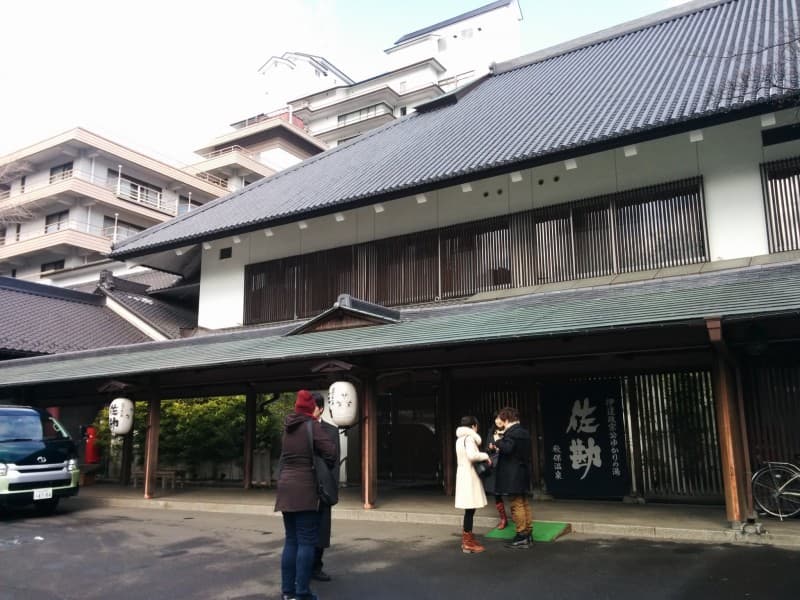
A historic inn at Akiu Onsen in Miyagi Prefecture, one of Japan's three ancient imperial hot springs. The inn, called Hotel Sakan, has been operated by the same family for 34 generations over more than 800 years. The waters are a sodium sulfate spring that Emperor Kinmei is said to have bathed in to recover from illness. The facility includes a sacred flame said to have burned continuously for 400 years, brought from Mount Koya.
Data: Wikipedia (CC BY-SA 4.0) · OpenStreetMap (ODbL)
Highlights
- 1,500-year imperial hot spring
- 34 generations same family
- Sacred flame 400 years burning
- 30 min from Sendai
Suitability
Tattoo policy
Policy varies
Children policy
Family-friendly
Altitude
200m
Mineral chemistry
Sodium Chloride (Salt)
Benefits
Sodium chloride springs — essentially natural saltwater baths — are celebrated for their warming and moisturising effects. The salt forms a thin film on the skin after bathing that slows moisture evaporation, keeping skin hydrated longer than a freshwater bath. This "heat-retaining" property means bathers stay warm for significantly longer after leaving the water, making these springs especially popular in winter. Salt springs are among the most accessible for first-time onsen visitors.
Note
Those with high blood pressure or heart conditions should consult a doctor before bathing, as the warming effect increases circulation. Avoid immersing open wounds. The salt will sting slightly in eyes — take care when submerging.
History
Akiu Onsen's waters have been used for over 1,500 years.
Emperor Kinmei's bathing here led to the spring being designated one of Japan's Three Great Hot Springs. The spring appears in classical Japanese literary works including Yamato Monogatari and the Shuishu poetry collection. During the Edo period, the feudal lord Date Masamune of Sendai designated Akiu as his personal bathing retreat. Hotel Sakan was founded over 800 years ago and has passed through 34 successive generations of the same family.
Local guide
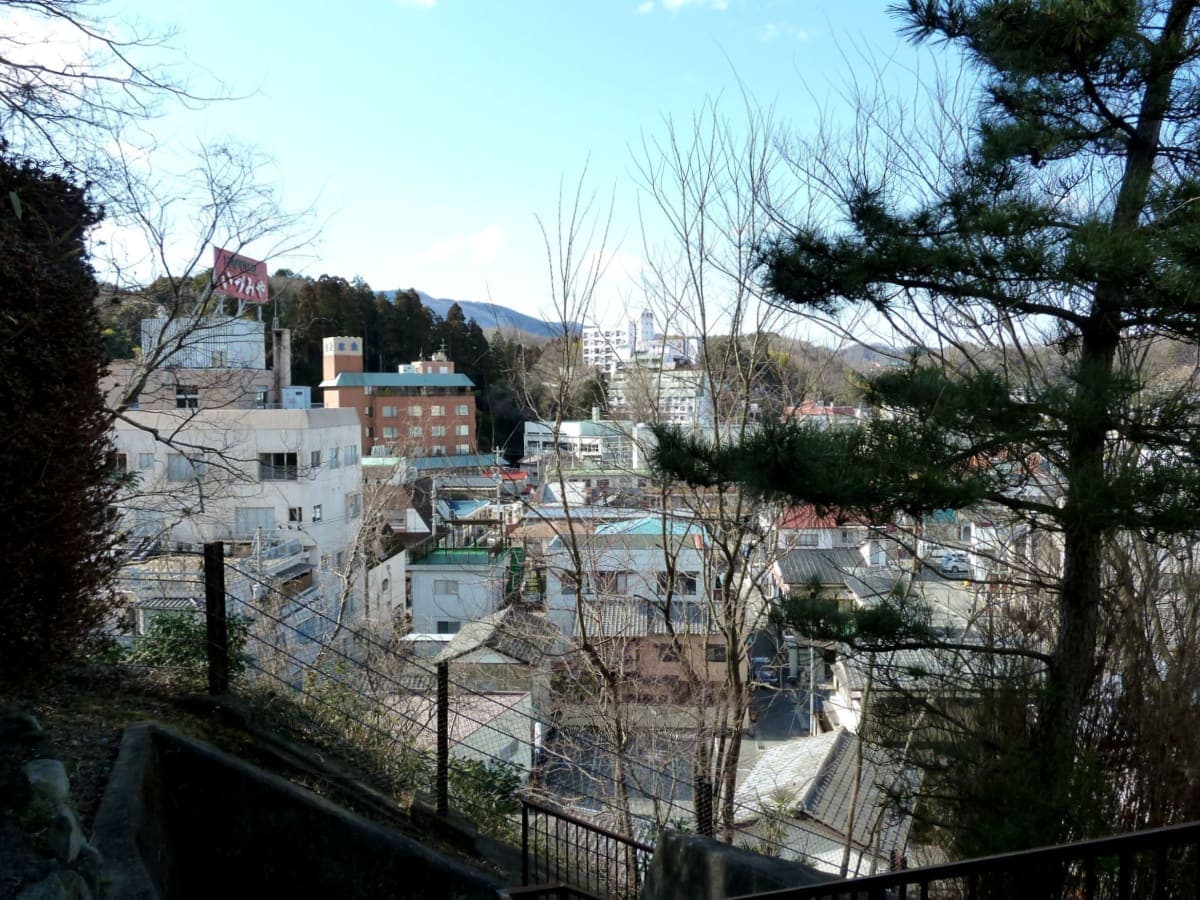
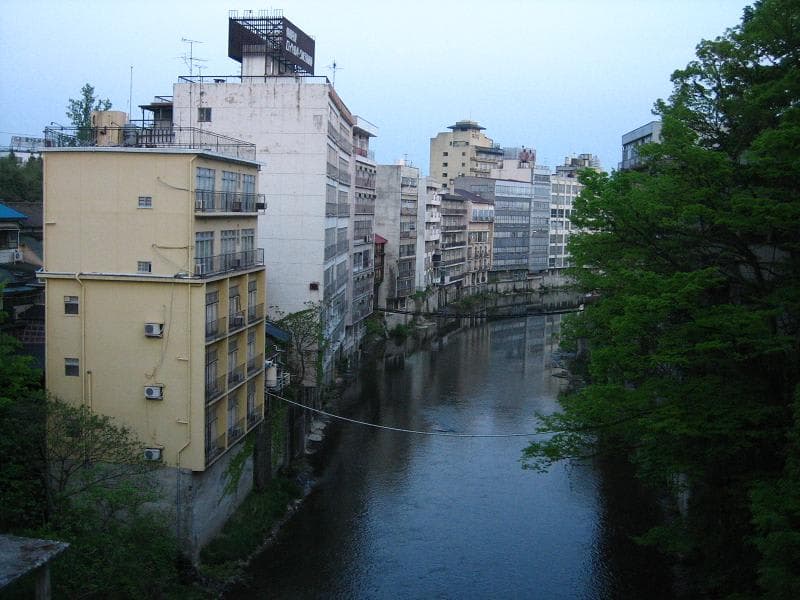
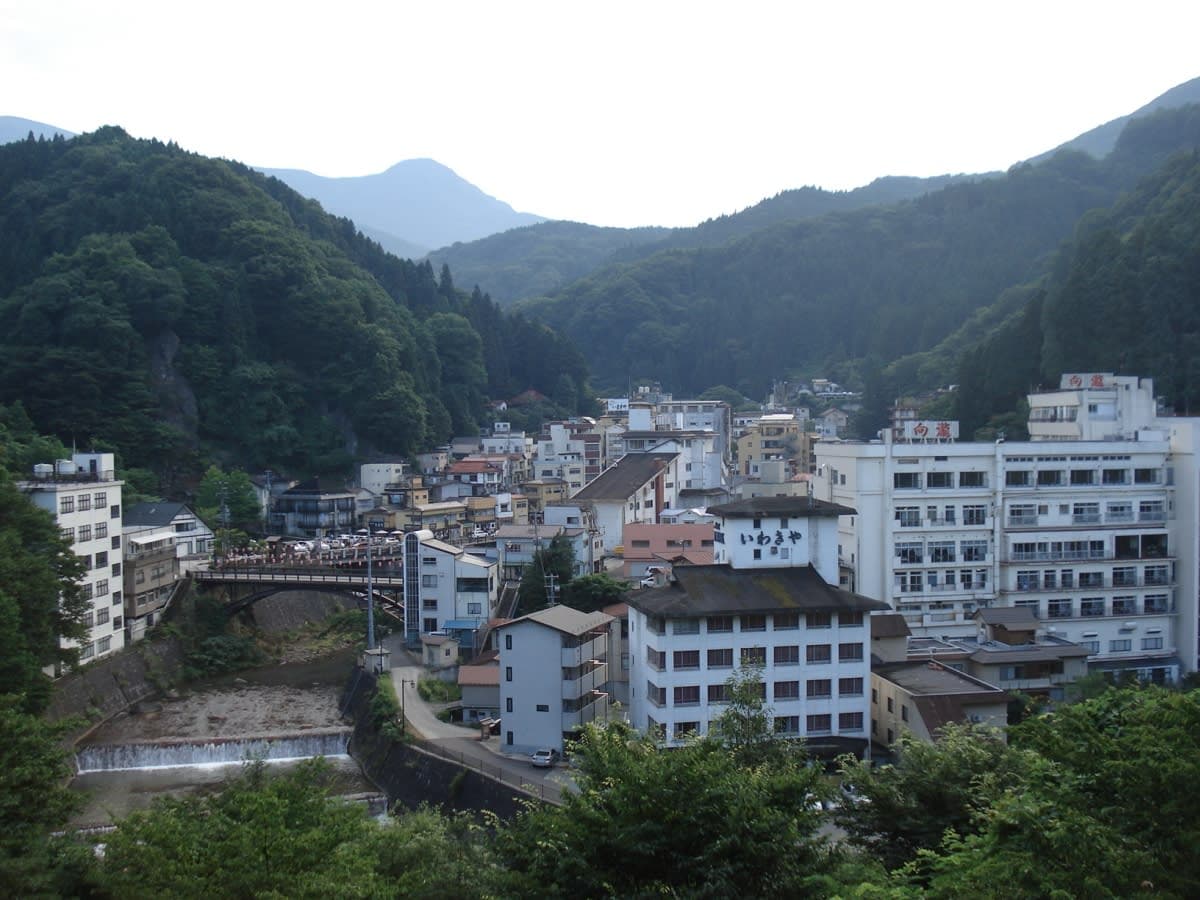
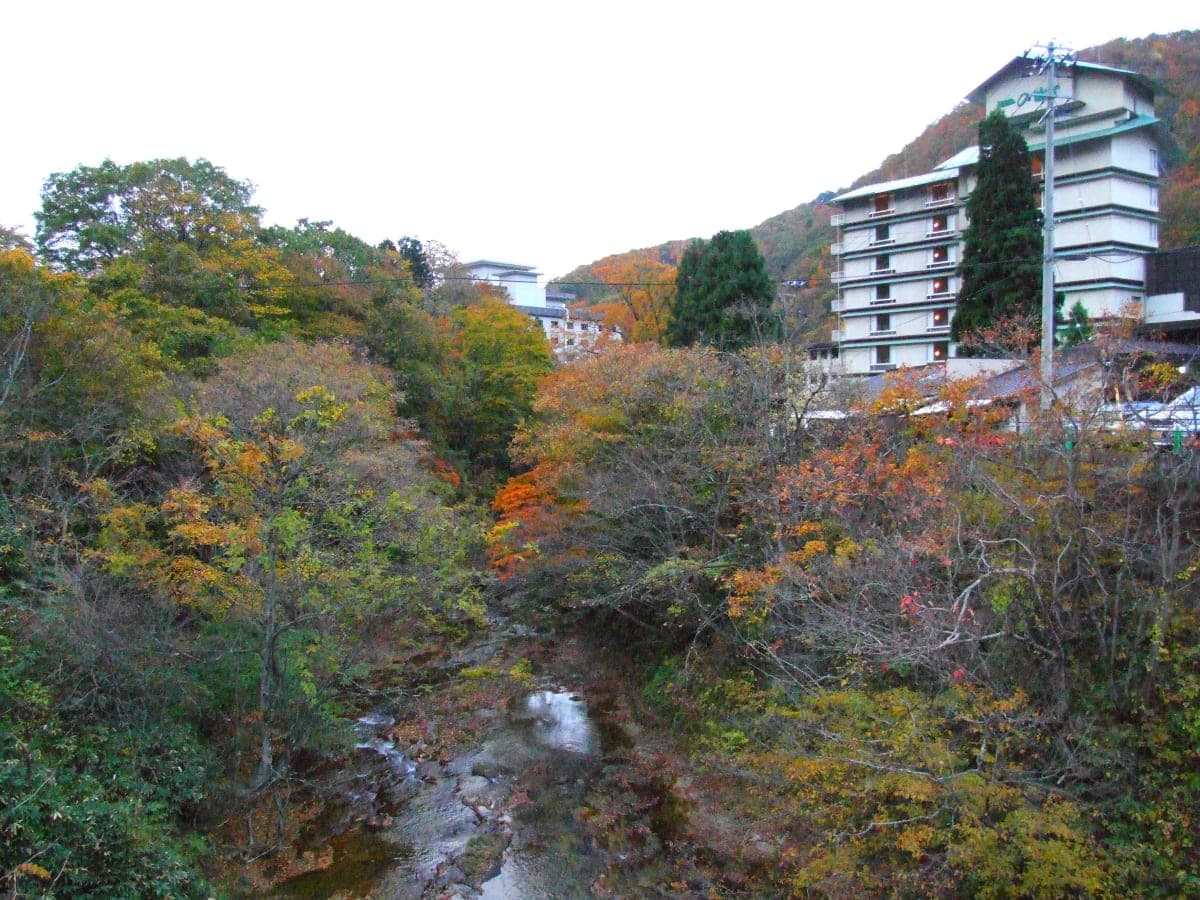
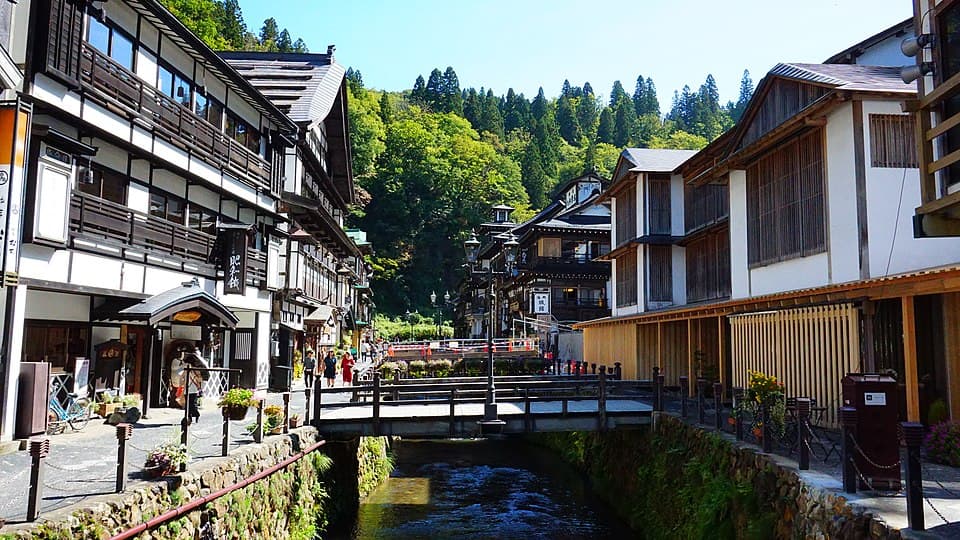
About thirty minutes south of Sendai, the main road follows the Natori River upstream into a narrow valley where the cedar slopes crowd close on both sides. The city noise disappears completely before you reach Akiu Onsen, and the last stretch of road runs so close to the river that you can hear it through a closed car window. Sakan sits right at the edge of that water, a large traditional inn whose oldest sections have been standing here for over a thousand years, run by the same family across thirty-four generations. You arrive to the sound of the Natori rushing below the windows.
The spring water is a sodium chloride type, clear and colorless in the bath, with a clean, faintly salty taste if any gets on your lips. It comes out hot and stays that way, coating your skin in a thin mineral film that you can feel when you step out and the air hits you. There is no sulfur smell, no cloudiness, just honest, dense salt water that leaves your joints feeling loose and your skin faintly warm for a long time afterward. The baths facing the river are the ones to seek out, where you can watch the green water below churning over the boulders while steam rises around you.
The history here runs deeper than most visitors realize. Emperor Kinmei is said to have recovered from illness after bathing in these waters roughly 1,500 years ago, which earned Akiu a place among Japan's Three Great Imperial Hot Springs alongside Shinano and Inukai. That designation is not just a marketing line. It explains why this valley was considered worth preserving long before anyone thought of building a resort road. The flame that burns in the property's inner shrine is said to have been lit by a priest from Mount Koya and has not been extinguished for four centuries.
The best moment at Sakan is early morning, before other guests are awake, when you can take one of the riverside outdoor baths completely alone. The Natori runs fast after any rain, and if you get there in the right season, you will hear the water and little else. There is no performance happening here, no theatrical ryokan ritual for tourists. The place simply carries on the way it has for a very long time, with the water coming up from the same ground and the same family keeping the doors open. That continuity is what gives it weight.
How this spring compares
pH level
7.3
More alkaline than50% of Japan springs
More acidic than47% of Japan springs
Japan median7.3
Japan range1.2–11.3
n=121 springs
Max temperature
46°C
Hotter than20% of Japan springs
Japan median60°C
Japan hottest105°C
n=122 springs
Getting there
From Sendai Station, board a Miyagi Kotsu bus from the West Exit Bus Terminal toward Akiu Onsen. The ride to the Sakan-mae stop takes about 40-50 minutes. Buses run more than once per hour throughout the day.
Amenities
Towel rental
Locker
Restaurant
Café
Parking
Wheelchair access
English spoken
Tattoo-friendly
Private bath
Soap provided
Hair dryer
Location & nearby
Yakushi-28 Akiumachi Yumoto, Taihaku Ward, Sendai, Miyagi 982-0241
Sendai Station · 14.6 kmShinkansen
Yakushi · 0.2 km
Rikuzen-Shirasawa Station · 5.8 km
Rikuzen-Ochiai Station · 7.9 km
Ayashi Station · 6.2 km
Sendai Airport · 19.8 km
Yamagata Airport · 36.7 km
Sakan Mae · 0 km
Ayunoyu Onsen Yumoto Station · 0 km
Book a stay nearby
Hotels near Sakan
25+ optionsSpringsAtlas may earn a commission from bookings made through these links.
More springs in Tohoku
1 / 13


Last verified:
Data: OpenStreetMap (ODbL) · local tourism agencies
Verified listing