
Public · Indoor & Outdoor · ¥500
4.2· 2,400 reviewsvia Google
25–68°CWater temp
7.8pH
¥500 (~$4)Entry fee
PublicBathing type
—Opening hours
About this spring
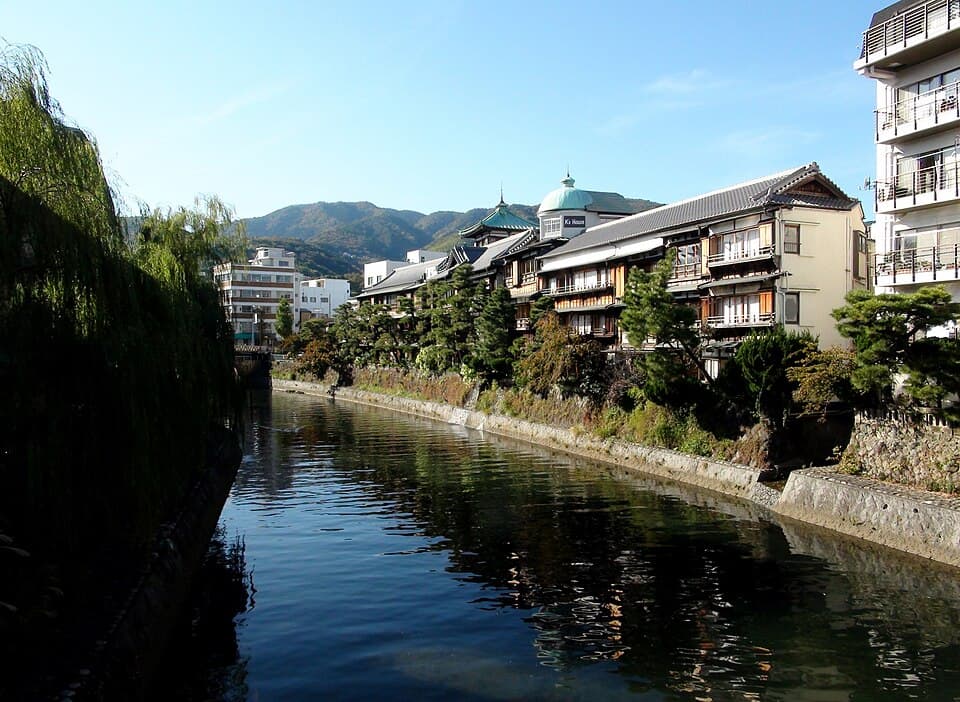
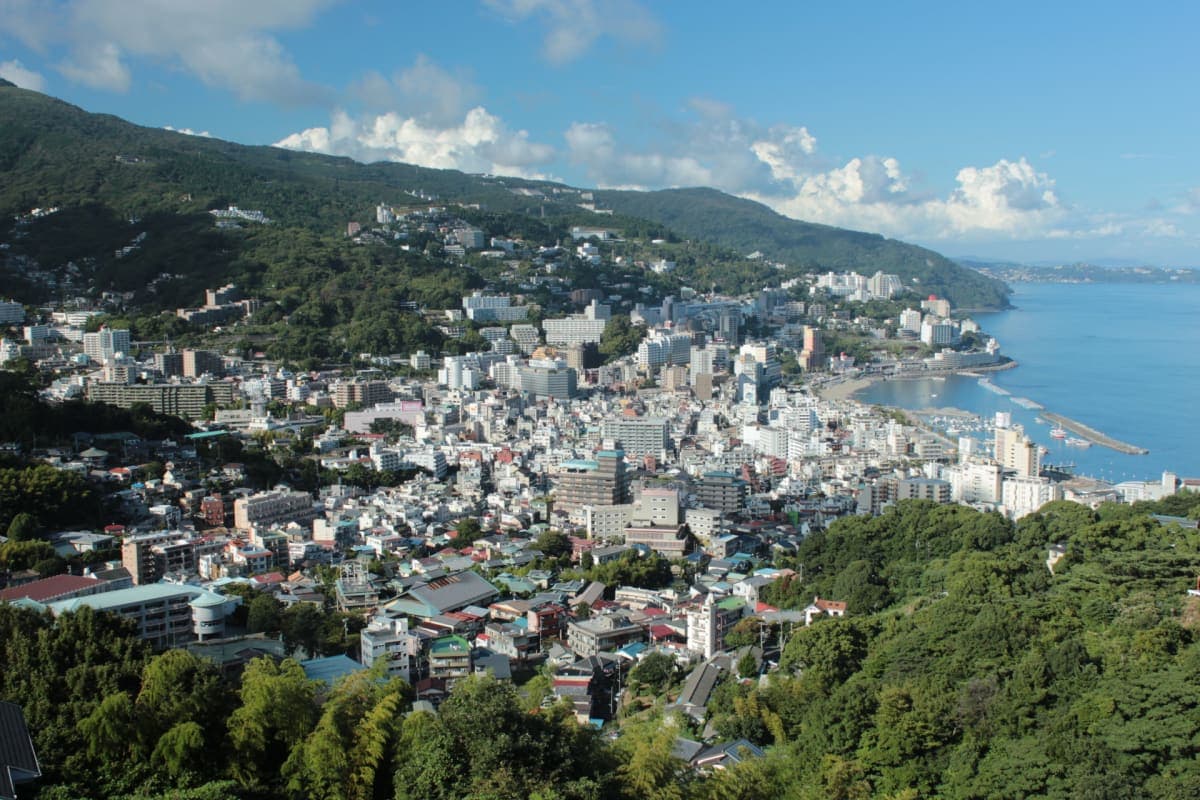
A beach-facing onsen town on the eastern coast of the Izu Peninsula with one of Japan's highest hot spring outputs. Over 1,500 springs deliver roughly 30,000 kiloliters of water daily. Tropical parks, botanical gardens, and palm-lined streets give Ito a resort character that feels different from most onsen towns.
Data: Wikipedia (CC BY-SA 4.0) · OpenStreetMap (ODbL)
Highlights
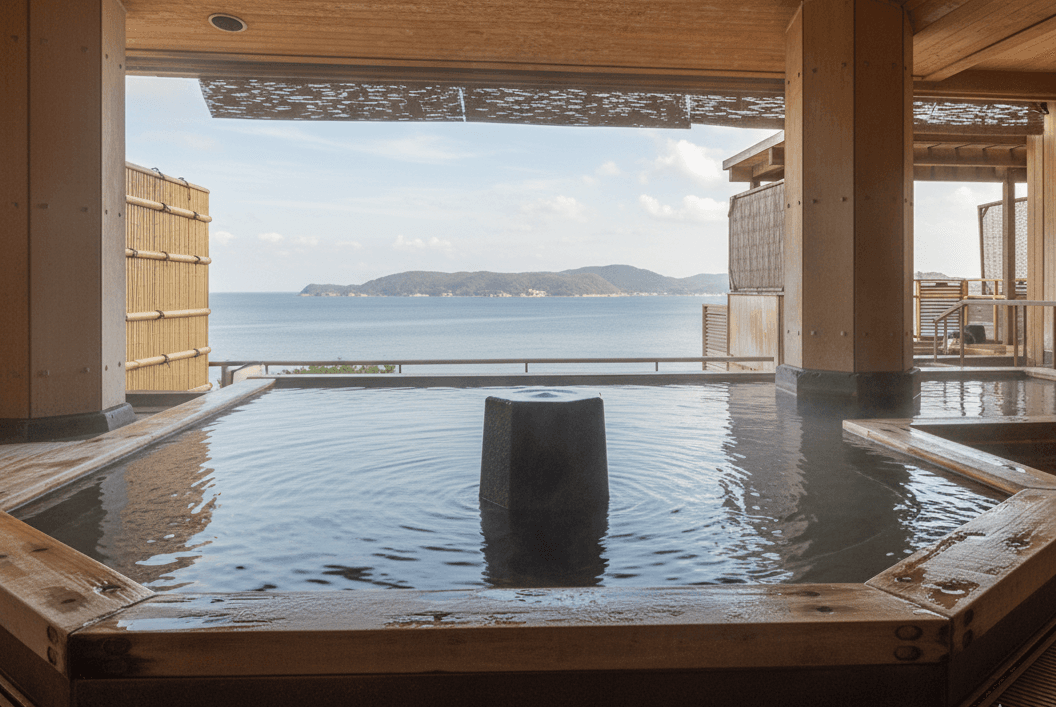
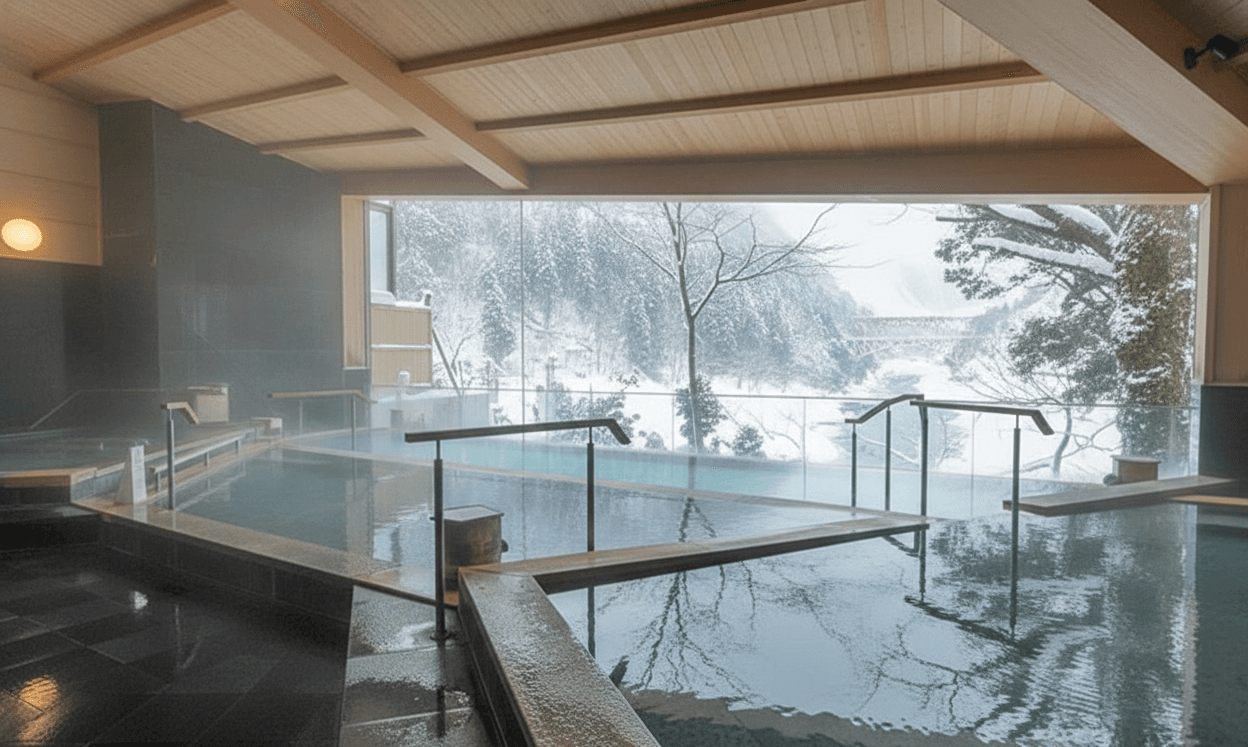
- Beachfront outdoor baths
- Tropical botanical gardens
- High spring water output
- Anjin Festival in August
Suitability
Tattoo policy
Policy varies
Children policy
Family-friendly
Altitude
0m
Mineral chemistry
Sodium Chloride (Salt)
Benefits
Sodium chloride springs — essentially natural saltwater baths — are celebrated for their warming and moisturising effects. The salt forms a thin film on the skin after bathing that slows moisture evaporation, keeping skin hydrated longer than a freshwater bath. This "heat-retaining" property means bathers stay warm for significantly longer after leaving the water, making these springs especially popular in winter. Salt springs are among the most accessible for first-time onsen visitors.
Note
Those with high blood pressure or heart conditions should consult a doctor before bathing, as the warming effect increases circulation. Avoid immersing open wounds. The salt will sting slightly in eyes — take care when submerging.
Simple Thermal
Benefits
Simple thermal springs (単純温泉) have a lower dissolved mineral content than other spring types but are valued for the pure therapeutic effect of heat immersion itself. The warmth increases core body temperature, promotes sweating, eases muscle tension, and improves peripheral circulation. Simple thermal springs are the most common onsen type in Japan and are recommended as the gentlest introduction to onsen bathing — suitable for a wide range of health conditions and ages.
Note
Simple thermal springs are the most broadly accessible onsen type. Standard precautions apply: avoid bathing within 30 minutes of eating, keep soaks to 10–15 minutes for first-timers, and hydrate before and after.
History
The springs have been used since the Heian period.
But Ito gained wider attention in the early Edo era for an unexpected reason: in 1604, the English navigator William Adams, who had been granted samurai status by Tokugawa Ieyasu, supervised the construction of Japan's first Western-style sailing vessels at Ito's harbor. The shogunate kept close interest in the town after that. The third Tokugawa shogun formally designated Ito as a recuperation destination. The decisive modern expansion came with the opening of the Ito railway in 1938, placing the town within comfortable reach of Tokyo. Adams is still honored each August in the Anjin Festival.
Local guide
Take the JR Tokaido Line out of Tokyo to Atami, change to the Ito Line, and after twenty-five minutes more you arrive at Ito Station on the edge of the Izu Peninsula. The air is different here even before you step outside. The palm trees along the road to the waterfront were planted to match the subtropical latitude, and the town has a loose, beach-resort feeling that sits oddly alongside traditional onsen culture. In most hot spring destinations the thermal water is the defining feature. In Ito it is just one thing among several, because the earth beneath this peninsula produces spring water in larger quantities than almost anywhere else in Japan.
Thirty-three thousand liters per minute is the figure that gets quoted about Ito's combined spring output, which places it among the highest-volume onsen towns in the country. The water drawn from under the city is a sodium-chloride type, pH 7.8, neutral enough that it causes no particular sensation on entry, no sting, no smell. It sits clear and hot, slightly saline, and warms the skin evenly without the metallic edge you find in iron springs or the faint bite of sulfur springs. After twenty minutes in an Ito bath your skin tends to feel clean in a straightforward way, the chloride working as a mild preservative against heat loss, keeping you warm after you step out.
The Jogasaki Coast, about ten minutes south of town, was formed four thousand years ago when lava flowed from Mount Omuro into the Pacific Ocean and the waves spent the following centuries shaping it into a nine-kilometer stretch of vertical black cliffs, sea caves, and collapsed lava tubes. The coastal trail runs the length of it, and the 48-meter Kadowaki Suspension Bridge crossing one section of the gorge is the kind of thing that makes your legs feel hollow for a moment. Ito is one of the few places where you can hike along UNESCO-recognized volcanic coast in the morning and be in a proper hot spring bath before lunch.
The Tokugawa shogunate used Ito as a rest stop during the Edo period, a pattern that continues in a looser way today: weekend trains from Tokyo fill up early, and by Saturday afternoon the smaller public baths near the station have queues. Come on a Tuesday, walk the cliff trail, eat grilled fish near the pier, soak until the evening train. It is not a complicated place to enjoy.
How this spring compares
pH level
7.8
More alkaline than67% of Japan springs
More acidic than27% of Japan springs
Japan median7.3
Japan range1.2–11.3
n=121 springs
Max temperature
68°C
Hotter than63% of Japan springs
Japan median60°C
Japan hottest105°C
n=122 springs
Getting there
JR Tokaido + Ito Line→ Ito1h 50m
Walk to bathhouse
Total: 1h 55m
Take the JR Tokaido Line from Tokyo to Atami, then transfer to the JR Ito Line to Ito Station. The total journey takes about 110 minutes from Tokyo.
Amenities
Towel rental
Locker
Restaurant
Café
Parking
Wheelchair access
English spoken
Tattoo-friendly
Private bath
Soap provided
Hair dryer
Location & nearby
Ito City, Shizuoka 414-0001
Ito Eki · 0 km
Atami Station · 14.9 kmShinkansen
Minamiito Station · 1.5 km
Kawana Station · 2.6 km
Usami Station · 4.9 km
Tokyo Haneda Airport · 89.5 km
Shizuoka Airport · 85.3 km
Oshima Airport (Tokyo Oshima Camelia Airport) · 31.4 km
Itō Station · 0 km
Ito Shiyakusho · 0.1 km
Uchinocho · 0.2 km
Oharacho · 0.2 km
Yukawa 3 Chome · 0.3 km
Book a stay nearby
Hotels near Ito
52+ optionsSpringsAtlas may earn a commission from bookings made through these links.
More springs in Chubu
1 / 13



Last verified:
Data: OpenStreetMap (ODbL) · local tourism agencies
Verified listing