
Public · Indoor & Outdoor · ¥250
42–60°CWater temp
8.2pH
¥250 (~$2)Entry fee
PublicBathing type
—Opening hours
About this spring
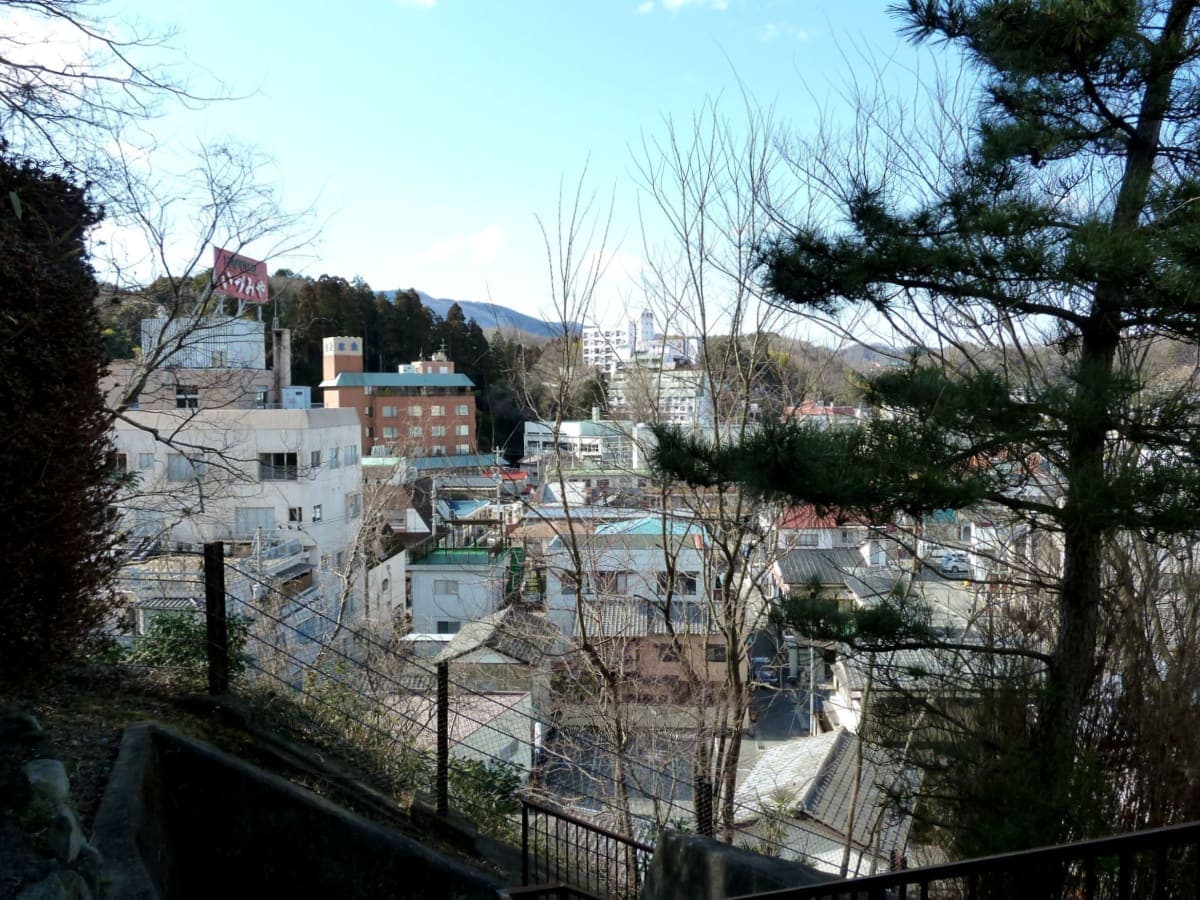
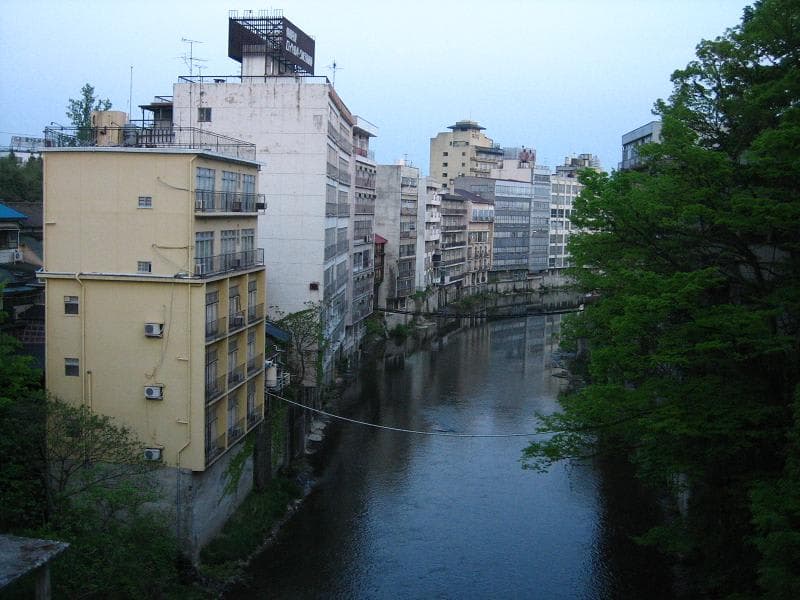
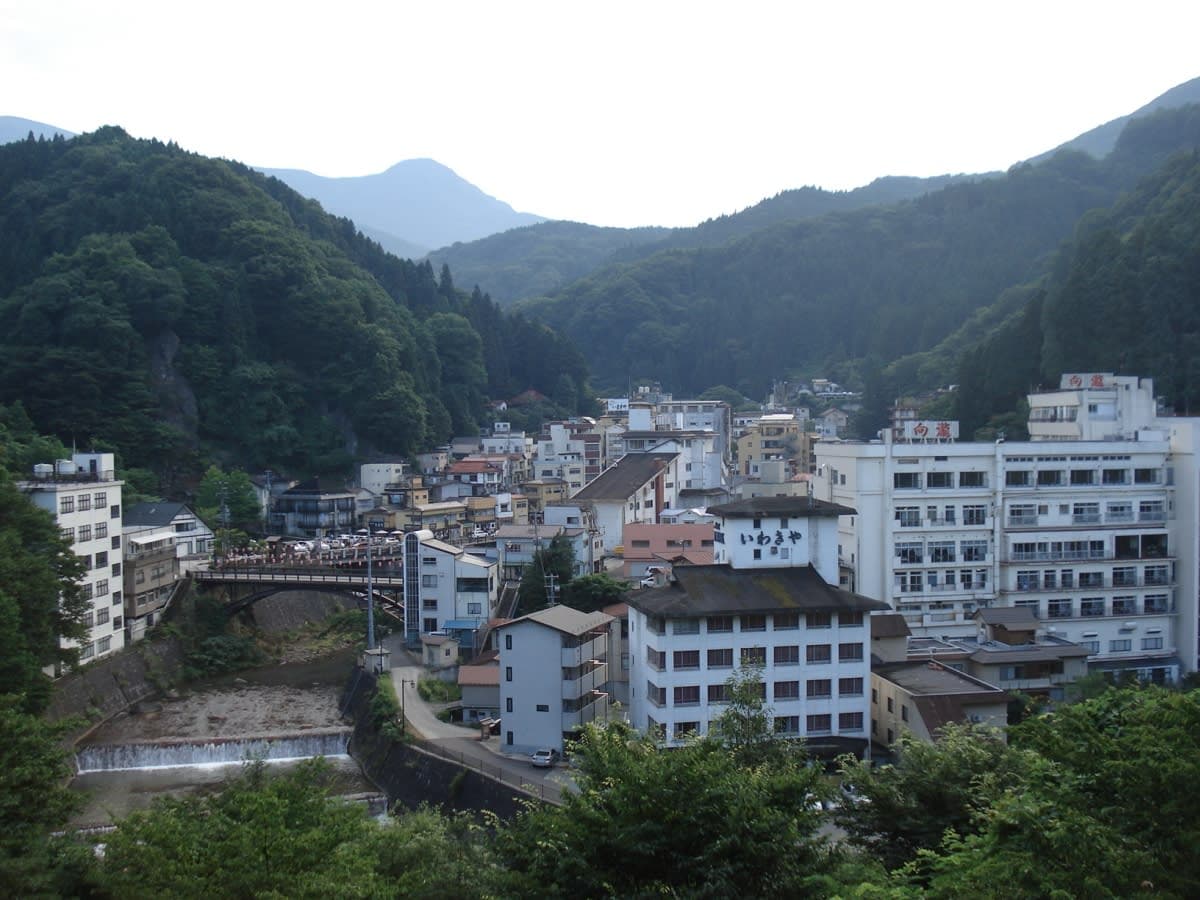
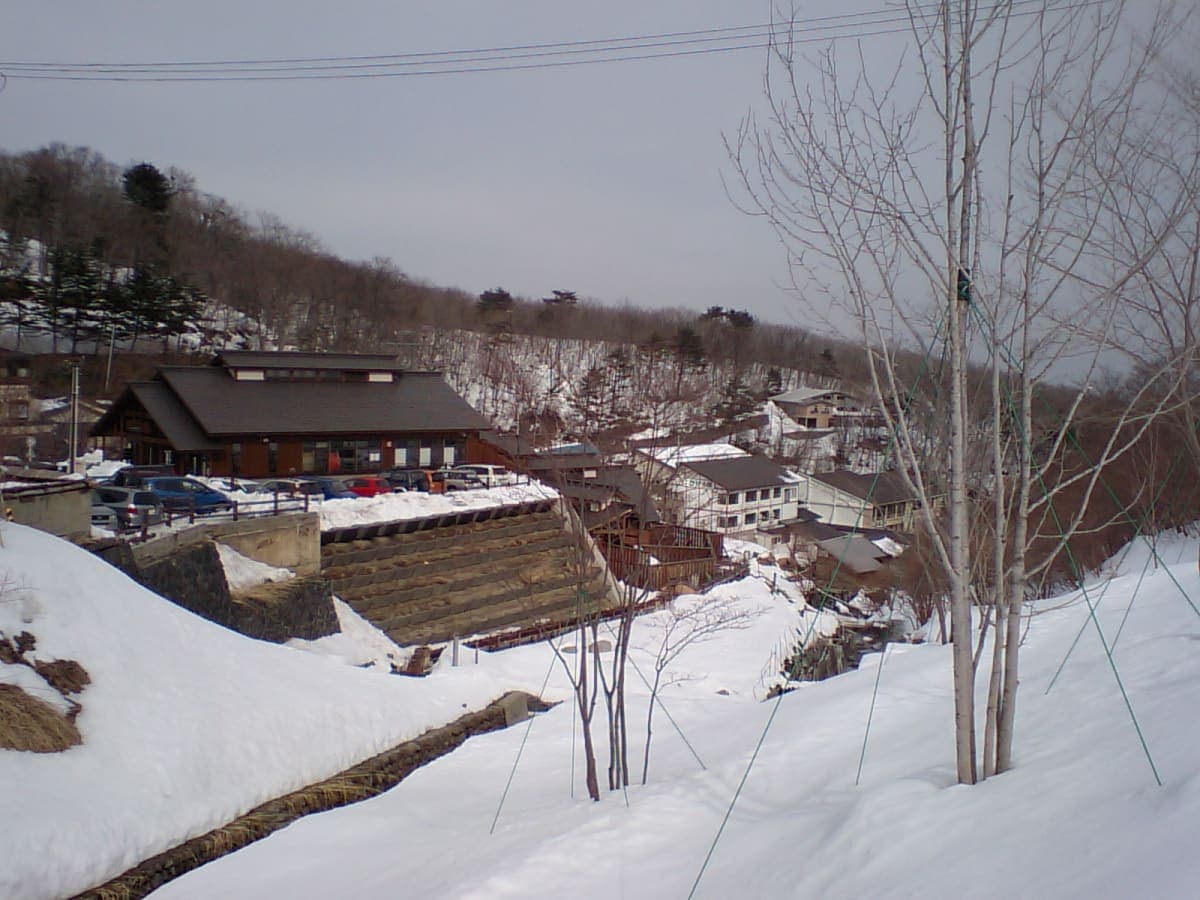
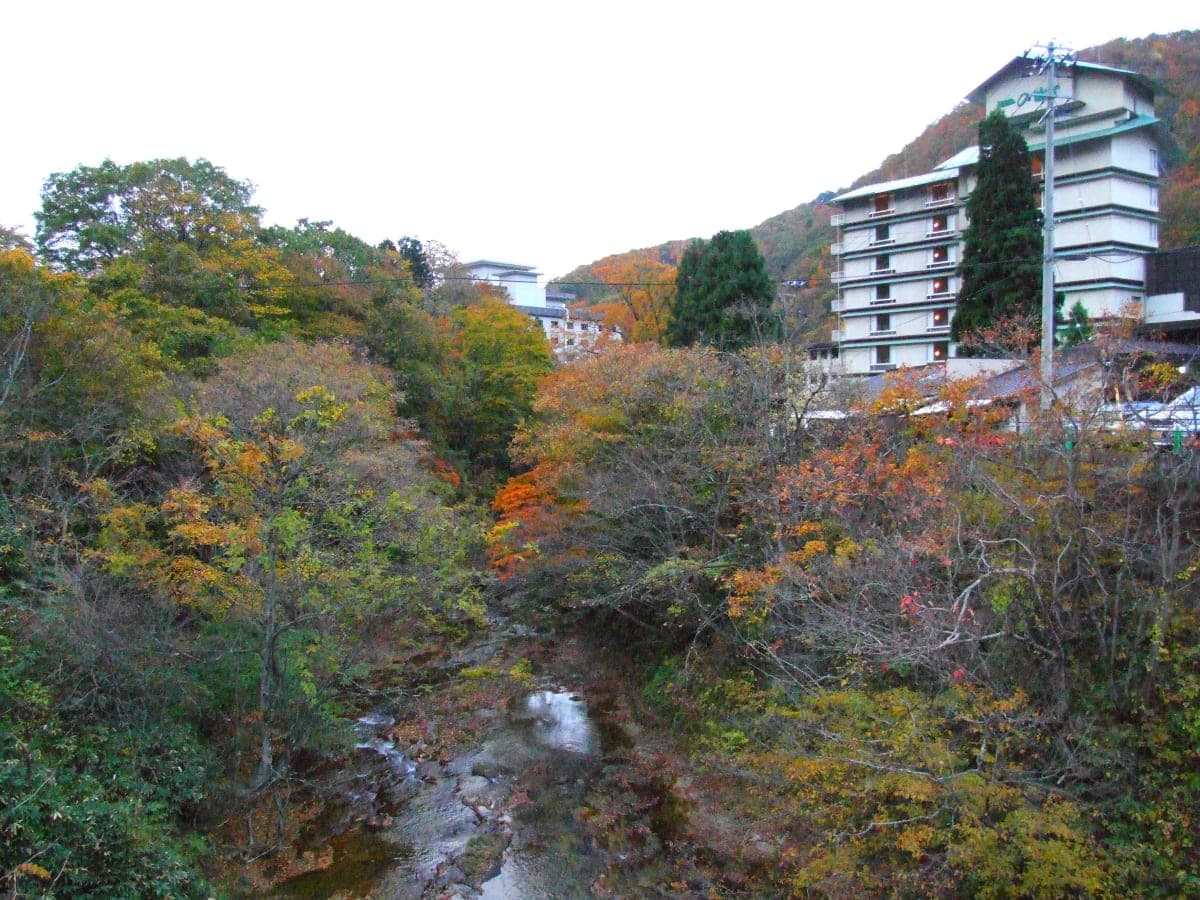
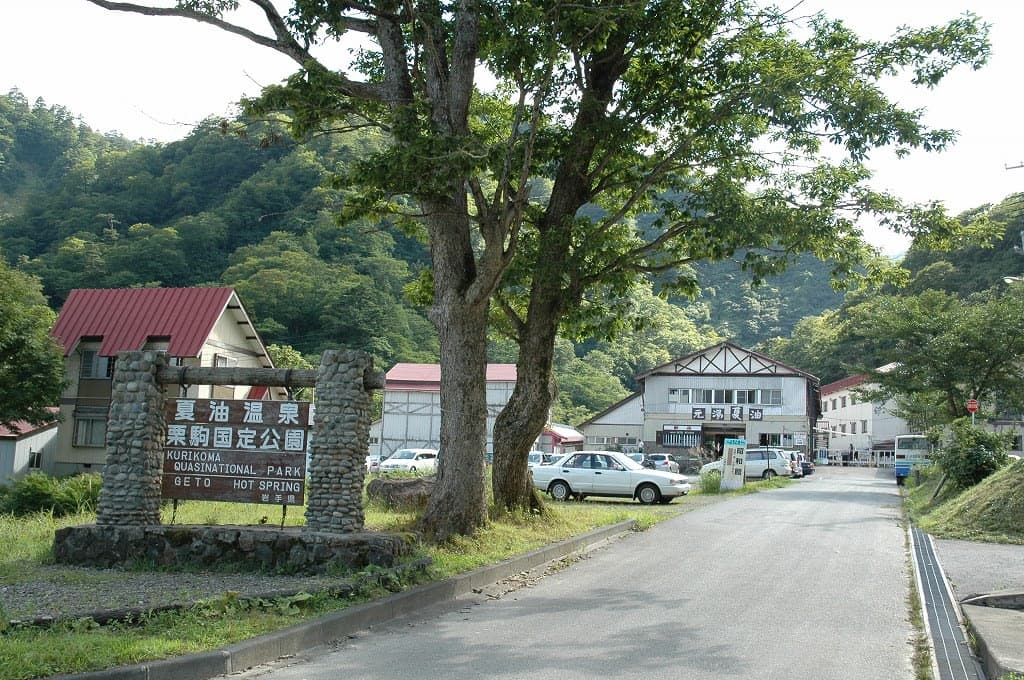
A traditional hot spring resort about 10 kilometers northwest of Fukushima city, set along the banks of the Surikami River. The town has over 40 ryokan and nine public baths. The oldest community bathhouse, Sabakoyu, has been standing since at least the seventeenth century. The Edo-period poet Matsuo Basho visited and wrote about the waters here.
Data: Wikipedia (CC BY-SA 4.0) · OpenStreetMap (ODbL)
Highlights
- Historic Sabakoyu bathhouse
- Over 40 ryokan
- Matsuo Basho connection
- Easy railway access
Suitability
Tattoo policy
Not permitted
Children policy
Family-friendly
Altitude
70m
Mineral chemistry
Simple Thermal
Benefits
Simple thermal springs (単純温泉) have a lower dissolved mineral content than other spring types but are valued for the pure therapeutic effect of heat immersion itself. The warmth increases core body temperature, promotes sweating, eases muscle tension, and improves peripheral circulation. Simple thermal springs are the most common onsen type in Japan and are recommended as the gentlest introduction to onsen bathing — suitable for a wide range of health conditions and ages.
Note
Simple thermal springs are the most broadly accessible onsen type. Standard precautions apply: avoid bathing within 30 minutes of eating, keep soaks to 10–15 minutes for first-timers, and hydrate before and after.
History
These springs were already in use by the time Prince Yamato Takeru, the legendary hero of ancient Japan, is said to have bathed here and recovered from illness.
Matsuo Basho visited the Sabakoyu bathhouse in 1689 during his famous journey through the Tohoku region, which he recorded in his travel diary Oku no Hosomichi. His visit gave Iizaka a permanent place in Japanese literary history.
Local guide
There is a small private railway called the Fukushima Kotsu Iizaka Line that runs from Fukushima Station north-northwest through rice fields and quiet suburbs to a terminal stop: Iizaka Onsen Station. The trip takes twenty-five minutes and the train is a single car, older, not crowded except on weekends. When you step off at the end, you are in a town that has been doing this since before records were kept clearly, a place where the oldest bathhouse opened under a name that translates roughly as Mackerel Lake Bath, and where a famous haiku poet stopped in 1689 on his way north.
Matsuo Basho passed through Iizaka in the summer of that year, during the journey he documented in Oku no Hosomichi, and the town he encountered had four bathhouses, seventy-four households, and three hundred people. Today it has over forty ryokan and nine public baths, but Sabakoyu, that oldest bathhouse, still stands near the center of the village, rebuilt in wood after the original structure wore out, its entrance facing the street at a slightly formal angle. The water flowing into its communal tub comes out of the earth near fifty degrees Celsius, which is on the hotter end of what most people can sit in comfortably. Locals are used to it. First-timers often do not last long.
The spring water at Iizaka is classified as a simple thermal type, which is a way of saying it is not loaded with one dramatic mineral compound. It is colorless, essentially odorless, and soft on the skin. What it has is temperature and volume, with enough heat to genuinely warm the deep muscles after a long day. The town itself is quiet in the way that old resort towns that predate modern tourism often are, more worn than polished, with a few restaurants and sake shops along the main street and residents who use the public baths the way you might use a neighborhood gym.
The most direct way to visit is the combination that Basho would have understood: arrive by train, walk to Sabakoyu, soak until the heat becomes too much, walk back through the steam-scented evening air, and eat at a small place near the station. Iizaka does not perform for visitors. It just stays open and hot.
How this spring compares
pH level
8.2
More alkaline than79% of Japan springs
More acidic than21% of Japan springs
Japan median7.3
Japan range1.2–11.3
n=121 springs
Max temperature
60°C
Hotter than49% of Japan springs
Japan median60°C
Japan hottest105°C
n=122 springs
Getting there
Take the Tohoku Shinkansen to Fukushima Station, then transfer to the Fukushima Electric Railway Iizaka Line. Trains run frequently and arrive at Iizaka Onsen Station in about 25 minutes.
Amenities
Towel rental
Locker
Restaurant
Café
Parking
Wheelchair access
English spoken
Tattoo-friendly
Private bath
Soap provided
Hair dryer
Location & nearby
Iizaka Onsen, Fukushima
Iizakaonseneki · 0 km
Fukushima Station · 8.6 kmShinkansen
Iohji-mae Station · 1.8 km
Hirano Station · 3 km
Hanamizuzaka Station · 0.5 km
Yamagata Airport · 65 km
Sendai Airport · 53.2 km
Iizakashobosho Helipad · 0.9 km
Iizakaonsen Station · 0.1 km
Yunoeki · 0.2 km
Book a stay nearby
Hotels near Iizaka
27+ optionsSpringsAtlas may earn a commission from bookings made through these links.
More springs in Tohoku
1 / 13



Last verified:
Data: OpenStreetMap (ODbL) · local tourism agencies
Verified listing