
Mixed · Indoor & Outdoor · ¥500
63–63°CWater temp
7.2pH
¥500 (~$3)Entry fee
MixedBathing type
—Opening hours
About this spring
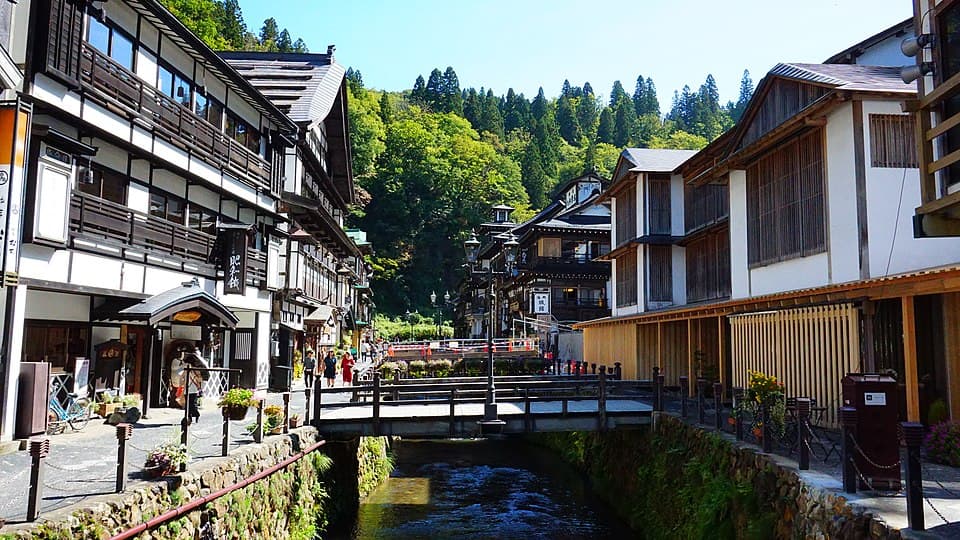
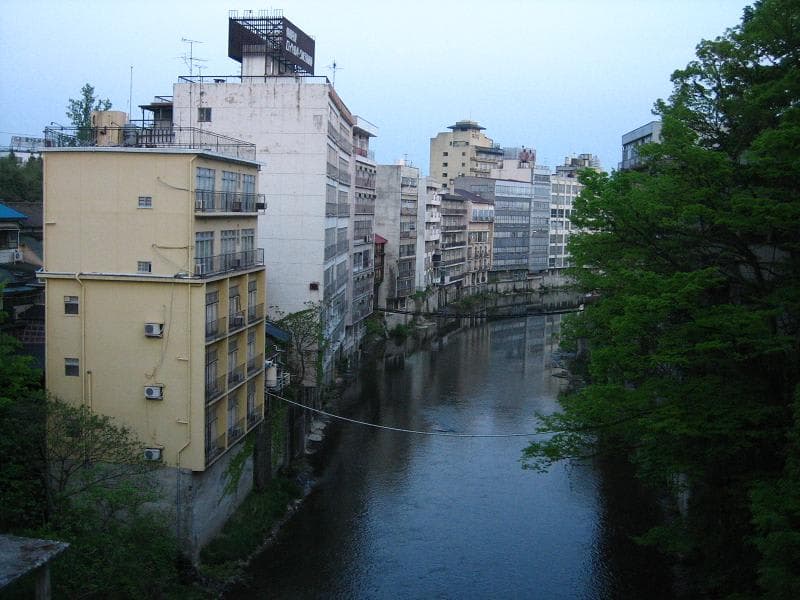
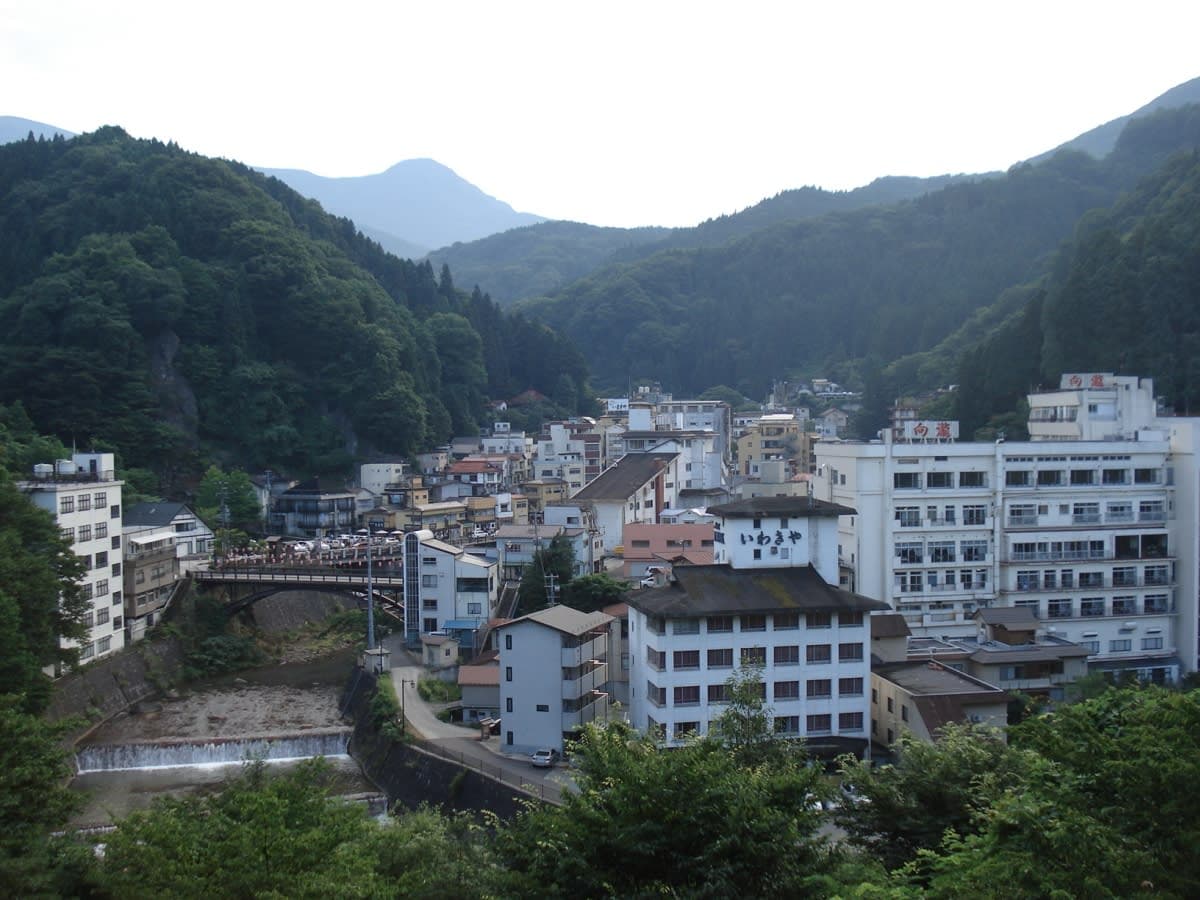
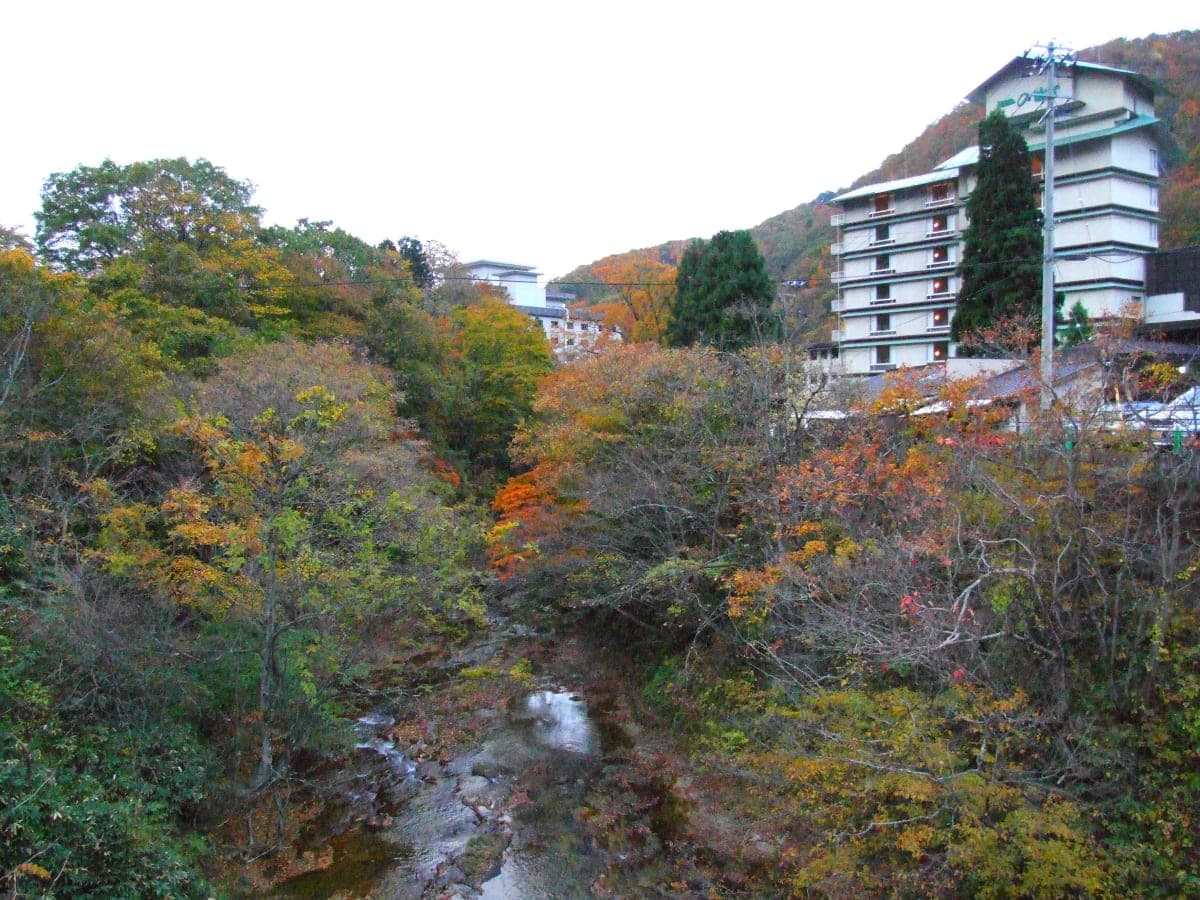
A beautifully preserved Taisho-era hot spring town in Obanazawa, Yamagata Prefecture, built along the narrow banks of the Ginzan River. Three-storey wooden ryokan facades, lit by gas lanterns after dark, line both sides of the river. There is not a modern building in sight. The 22-meter Shirogane waterfall drops directly into the river at the head of the valley.
Data: Wikipedia (CC BY-SA 4.0) · OpenStreetMap (ODbL)
Highlights
- Taisho-era wooden ryokan intact
- Gas-lit streets after dark
- Shirogane waterfall in town
- No modern buildings
Suitability
Tattoo policy
Not permitted
Children policy
Family-friendly
Altitude
300m
Mineral chemistry
Sodium Chloride (Salt)
Benefits
Sodium chloride springs — essentially natural saltwater baths — are celebrated for their warming and moisturising effects. The salt forms a thin film on the skin after bathing that slows moisture evaporation, keeping skin hydrated longer than a freshwater bath. This "heat-retaining" property means bathers stay warm for significantly longer after leaving the water, making these springs especially popular in winter. Salt springs are among the most accessible for first-time onsen visitors.
Note
Those with high blood pressure or heart conditions should consult a doctor before bathing, as the warming effect increases circulation. Avoid immersing open wounds. The salt will sting slightly in eyes — take care when submerging.
Sulfate
Benefits
Sulfate springs (硫酸塩泉) contain dissolved calcium, sodium, or magnesium sulfate and are among the most therapeutically versatile spring types. Calcium sulfate springs are traditionally associated with wound healing and post-surgical recovery — the calcium ions support tissue repair and the sulfate has mild astringent properties. Sodium sulfate springs are linked to liver and digestive function; they are one of the few spring types used in Japan's national spa therapy clinics for chronic digestive complaints. The water typically has a clean, slightly bitter mineral taste.
Note
Sulfate springs are generally well-tolerated. Those with kidney stones of the calcium oxalate type should consult a doctor before bathing regularly. Sodium sulfate springs can have a mild laxative effect in sensitive individuals — stay hydrated.
History
The town grew alongside silver mines discovered about 500 years ago.
Ginzan means silver mountain. Mining activity ended centuries ago, but the hot spring town that developed alongside it endured. The Taisho-era architecture, built in the early twentieth century after flooding destroyed earlier structures, gives the town its remarkable uniform character. The television drama Oshin, broadcast in 1983 and watched by over half of Japan, helped make Ginzan Onsen nationally famous.
Local guide
Forty minutes by bus from Oishida Station on the JR Ou Main Line, the road follows the Ginzan River upstream until it arrives at something that genuinely looks like a film set. Ginzan Onsen occupies a short stretch of canyon, wide enough for one narrow pedestrian lane on each bank and no cars at all. The buildings are multi-story wooden ryokan from the Taisho era, built close together with their foundations right at the water's edge, and at night the bridges and walls are lit by gas lamps that have been burning here for decades. The town was discovered, roughly speaking, by silver miners in the early Edo period. They found the hot springs while working the Enzawa Silver Mine nearby, and when the mine closed, the baths stayed.
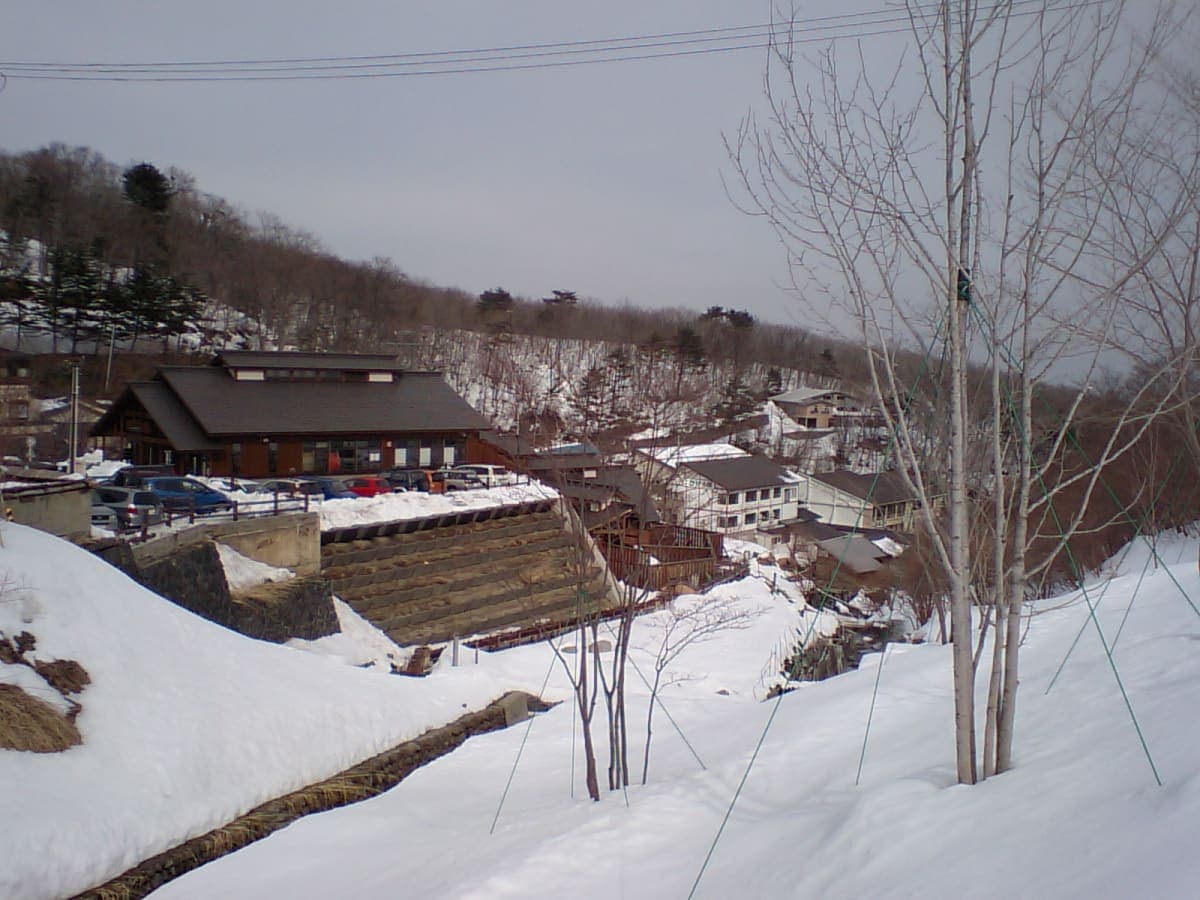
The water is a sodium-chloride and sulfate spring emerging at around 63 degrees. Inside the bath it is colorless and neutral-smelling, not the sharp sulfur you find in volcanic springs further west. The main thing you notice is the weight of it, a slight density that holds heat against your skin in a way that plain water does not. The warmth lasts a long time. In winter, when the valley fills with two or three meters of snow and the temperature drops well below zero, that heat-retention quality is not a detail. It is the reason people come back.
The most distinctive building in town is Fujiya Inn, which the architect Kengo Kuma redesigned in the early 2000s. He kept the original post-and-beam facade intact and grafted a glass entry wall and interior atrium onto it, producing something that is simultaneously a hundred-year-old wooden inn and a piece of contemporary architecture. The design does not shout. From the bridge across the river, the glass catches the gaslight at dusk and the building looks like every other tall wooden structure in the canyon, until you step inside.
At the far end of the pedestrian lane, past the last inn, the 22-foot Shirogane-no-Taki waterfall drops into the river with a sound that carries back through the whole town on still nights. In winter the falls partially freeze while the hot spring steam rises around the ice, which is the image most often associated with Ginzan and is exactly as dramatic in person as it looks in photographs. The Shinkansen to Shinjo Station is the practical starting point, with the local bus from there taking about thirty minutes to reach the canyon entrance.
How this spring compares
pH level
7.2
More alkaline than41% of Japan springs
More acidic than50% of Japan springs
Japan median7.3
Japan range1.2–11.3
n=121 springs
Max temperature
63°C
Hotter than56% of Japan springs
Japan median60°C
Japan hottest105°C
n=122 springs
Getting there
Take the Yamagata Shinkansen to Oishida Station, then transfer to a local bus to Ginzan Onsen. The bus journey takes about 30 minutes. Alternatively, take the Shinkansen to Shinjo Station and take a taxi (~40 minutes).
Amenities
Towel rental
Locker
Restaurant
Café
Parking
Wheelchair access
English spoken
Tattoo-friendly
Private bath
Soap provided
Hair dryer
Location & nearby
Ginzan Onsen, Ginzanshinhata, Obanazawa, Yamagata 999-4333
Oishida Station · 12.6 kmShinkansen
Sodesaki Station · 12.3 km
Ashisawa Station · 17.5 km
Murayama Station · 16.3 km
Yamagata Airport · 22.5 km
Sendai Airport · 58.6 km
Ginzan Onsen (Bus Stop) (Yamagata Kūkō-sen, Shita-iri) · 0.2 km
Tougei Center · 1.3 km
Book a stay nearby
Hotels near Ginzan
7+ optionsSpringsAtlas may earn a commission from bookings made through these links.
More springs in Tohoku
1 / 13



Last verified:
Data: OpenStreetMap (ODbL) · local tourism agencies
Verified listing