Mixed · Indoor & Outdoor · ¥250
50.5–51°CWater temp
1.8pH
¥250 (~$2)Entry fee
MixedBathing type
—Opening hours
About this spring
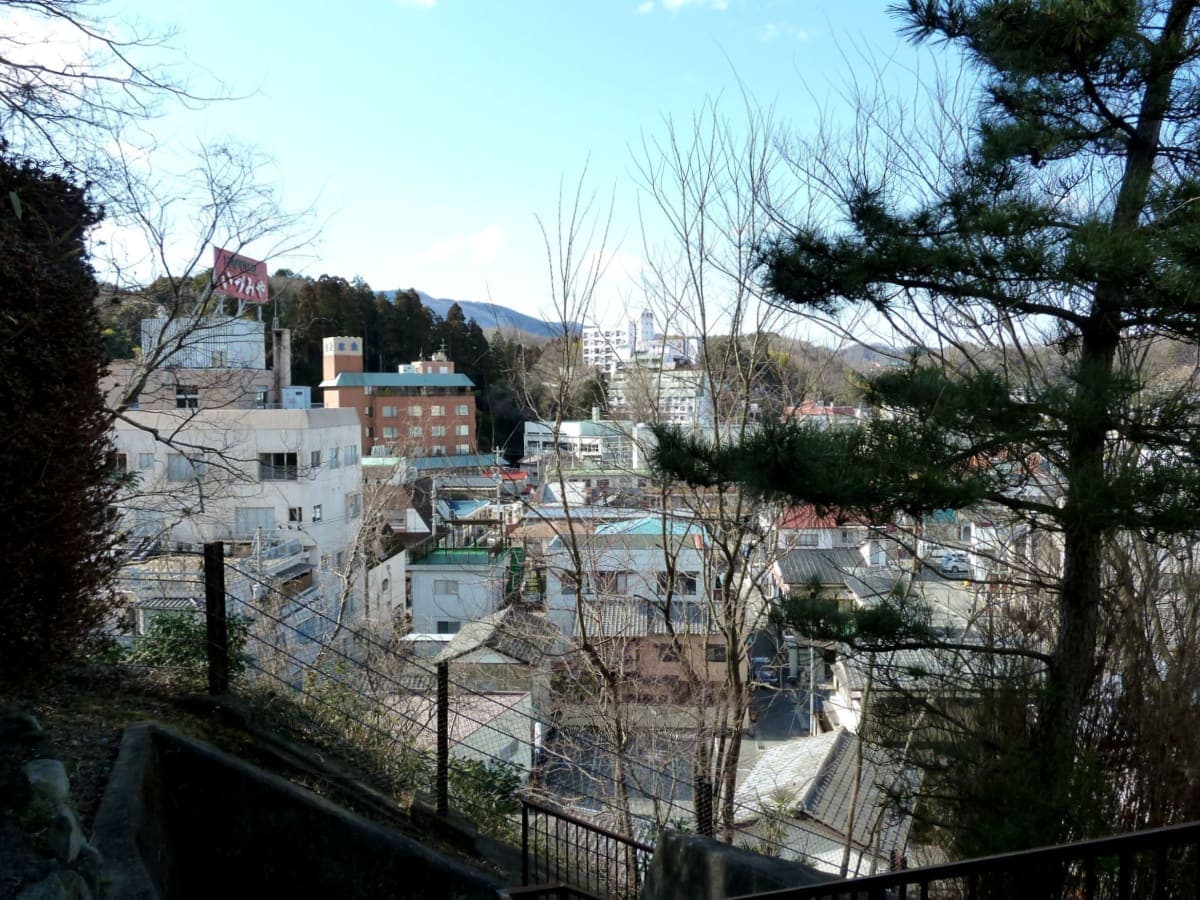
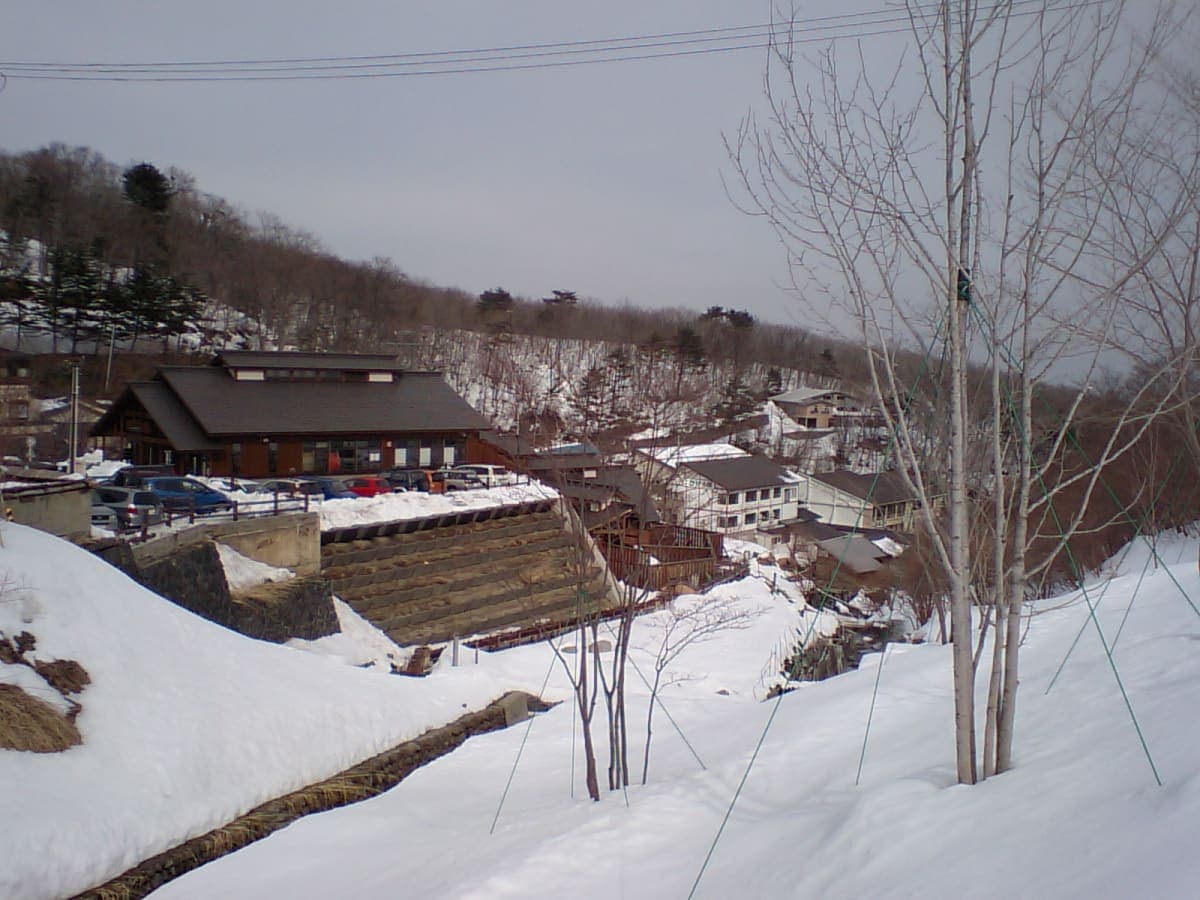
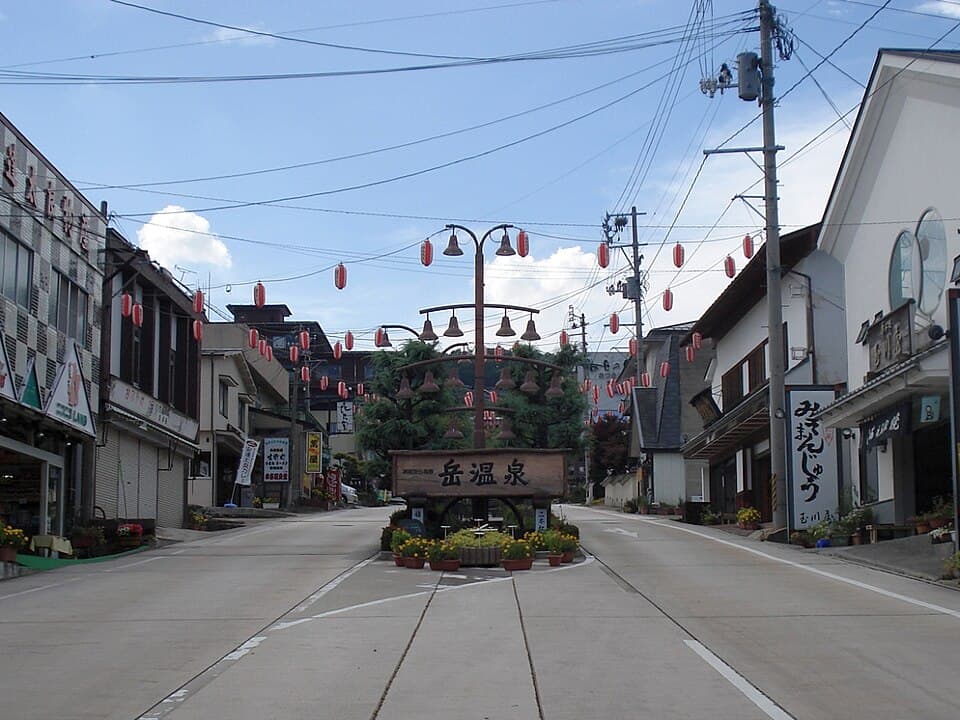
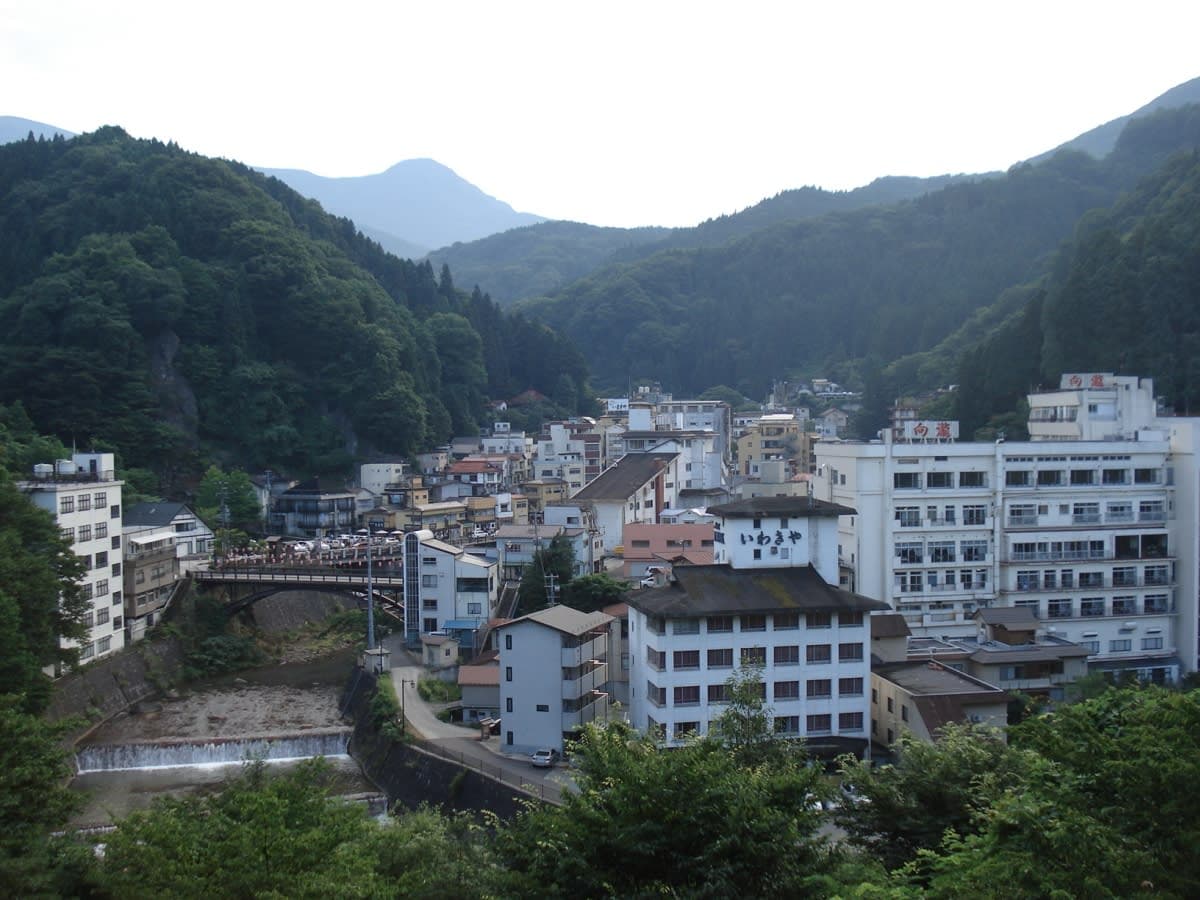
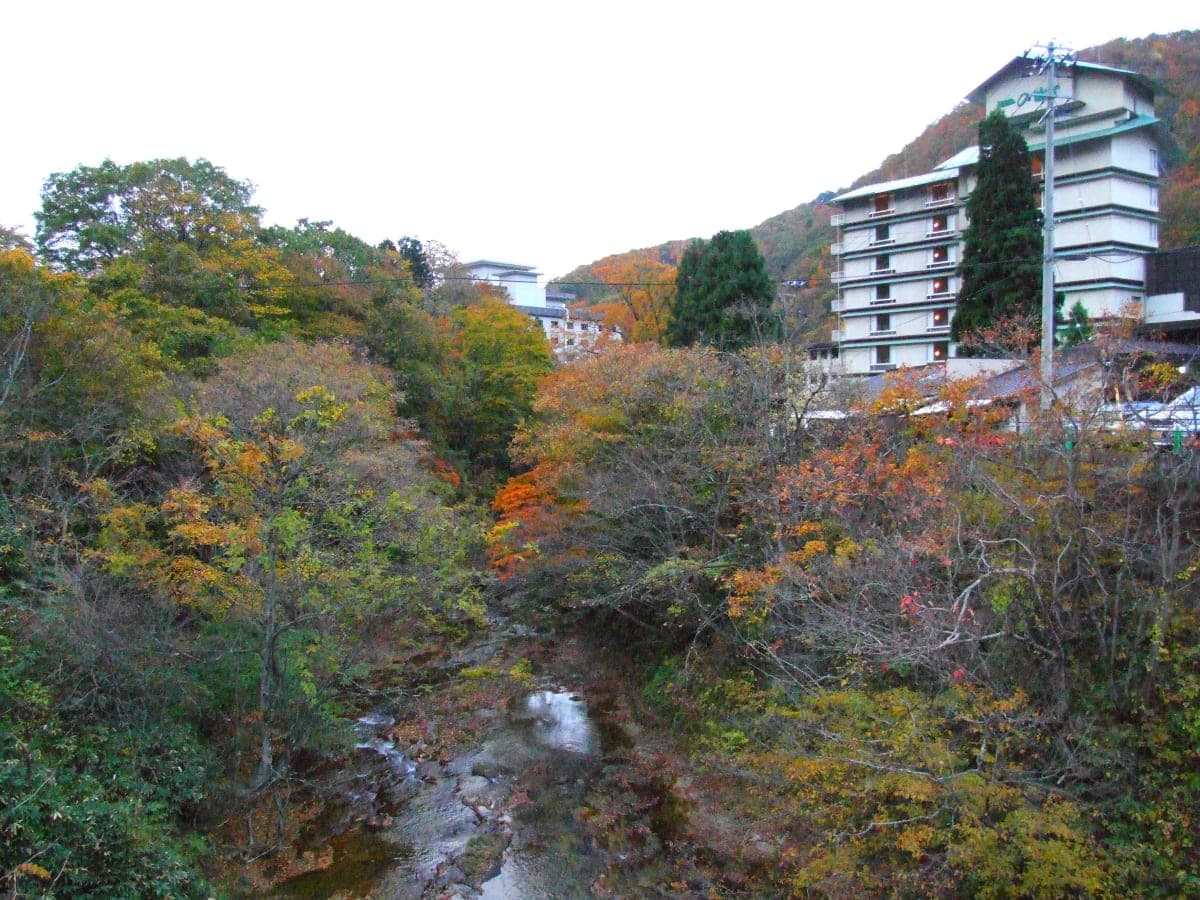
A high-altitude volcanic onsen village on the slopes of Mount Azuma in Fukushima Prefecture, about 50 minutes by bus from Fukushima city. The water here is among the most strongly acidic in Tohoku: milky white, sharp-scented, and historically celebrated as one of the Three Takayu hot springs of the Oshu region. About twelve ryokan cluster around ten spring sources in a setting that has changed little since the Edo period.
Data: Wikipedia (CC BY-SA 4.0) · OpenStreetMap (ODbL)
Highlights
- Strongly acidic volcanic spring
- Historic Tamagoyu bathhouse
- Free village footbath
- Bandai-Azuma Skyline nearby
Suitability
Tattoo policy
Welcome
Children policy
Family-friendly
pH note
Highly acidic (pH 1.8)
Altitude
750m
Mineral chemistry
Sulfur
Benefits
Sulfuric hot springs are among the most studied in Japanese balneology. The sulfur compounds — primarily hydrogen sulfide and thiosulfate — have documented antimicrobial and anti-inflammatory properties. Regular bathing is associated with relief from chronic skin conditions including eczema and psoriasis, as well as joint inflammation and muscle soreness. Sulfuric waters have been prescribed in Japanese medical practice since the Edo period.
Note
The distinctive rotten-egg smell dissipates quickly after leaving the bath. Avoid if you have a sulfur allergy, very sensitive skin, or respiratory conditions. Remove silver jewellery before entering — sulfur will blacken it permanently.
History
Takayu was discovered in 1607, in the early years of the Edo period.
The volcanic springs of Mount Azuma produced a strongly acidic, hydrogen-sulfide-rich water that quickly earned a reputation for healing skin conditions and respiratory ailments. Together with Zao Takayu in Yamagata and Shirabu Takayu in the highlands, Takayu formed the celebrated trio of mountain springs known as the Three Takayu of the Oshu Region. The resort remained deliberately modest through the centuries, never growing into a large commercial town, and its character as an intimate mountain retreat has persisted for over 400 years.
Local guide
The bus from Fukushima Station climbs for about an hour through cedar plantations and secondary forest before reaching the cluster of twelve ryokan that sit halfway up the southern slope of the Azuma massif. The name Takayu is direct: taka means high, yu means hot water. At roughly 750 meters altitude, the air at the bus stop smells different from the city below, carrying a distinct sulfur note that sharpens as you walk toward the main strip. This is the smell of active volcanic chemistry working close to the surface, and it signals something specific about the water waiting inside.
Takayu has ten distinct spring sources feeding the town, and the ryokan draw from them in varying combinations. The most historically significant bathhouse is the Tamagoyu, a small, dark wooden building that has been operating for roughly 400 years and keeps one pool per gender, fed by a source that runs at 50.5 degrees Celsius and must be tempered down before use. The water across all sources here shares a common character: it comes out milky white, somewhere between opaque and translucent, with a strong hydrogen sulfide smell that catches in the back of your throat. The color is not quite the brilliant snow-white of heavily sulfuric springs elsewhere. It is more of an off-white, sometimes shifting toward pale blue in deeper pools, like diluted skim milk.
The feel of the water on your skin is distinctive. There is a persistent tingle, faint but noticeable, that bathers describe as the bite of the water, and it comes from the strong acidity working against your skin's surface. After ten or fifteen minutes, your skin flushes and takes on a slight smoothness that you can feel by rubbing your fingers together. The public bathhouse called Attaka no Yu, which is the most accessible option for day visitors, keeps the water at a manageable temperature and allows you to soak long enough to actually notice this effect.
In the center of town, there is a free outdoor foot bath that operates year-round, and in winter it becomes the social center of the small community. The Azuma-Bandai plateau above the town is a national park, and the hiking trails that pass through Takayu on their way to the volcanic peaks make the onsen a natural stopping point. Hikers who have spent a day on the rocky slopes above come down into town in late afternoon smelling of exertion and cold mountain air, and the contrast between that and what the milky, biting water offers inside the old wooden bathhouses is about as direct as restorative experiences get. There is nothing elaborate here. The twelve inns are functional and traditional, the meals run to Fukushima river fish and mountain vegetables, and the volcanic spring chemistry does the work that no design or amenity could replicate.
How this spring compares
pH level
1.8
More alkaline than3% of Japan springs
More acidic than96% of Japan springs
Japan median7.3
Japan range1.2–11.3
n=121 springs
Max temperature
51°C
Hotter than30% of Japan springs
Japan median60°C
Japan hottest105°C
n=122 springs
Getting there
Take the Tohoku Shinkansen to Fukushima Station, then take the Fukushima Kotsu bus bound for Takayu Onsen from the bus terminal outside the station. The ride takes about 50 minutes. Departures are limited, so check the timetable in advance.
Amenities
Towel rental
Locker
Restaurant
Café
Parking
Wheelchair access
English spoken
Tattoo-friendly
Private bath
Soap provided
Hair dryer
Location & nearby
Takayu Onsen, Machiniwasaka, Fukushima, 960-2261
Fukushima Station · 14.4 kmShinkansen
Niwasaka Station · 7.8 km
Toge Station · 9 km
Itaya Station · 7.3 km
Sendai Airport · 68.9 km
Fukushima Airport · 59.4 km
Fukushima Sky Park · 10.8 km
Takayu · 0 km
Highland-Mae · 0.4 km
Tamagoyu · 0.5 km
Book a stay nearby
Hotels near Takayu
8+ optionsSpringsAtlas may earn a commission from bookings made through these links.
More springs in Tohoku
1 / 13



Last verified:
Data: OpenStreetMap (ODbL) · local tourism agencies
Verified listing