Mixed · Indoor & Outdoor · ¥300
Iwaki Yumoto Onsen
いわき湯本温泉
65°CMixed BathingIndoor & Outdoorsodium-chloride
58.3–65°CWater temp
7.8pH
¥300 (~$2)Entry fee
MixedBathing type
—Opening hours
About this spring
A hot spring town in Fukushima Prefecture with one of the most extraordinary spring outputs in Japan: roughly five tonnes of water per minute from a single underground source. The waters are a sodium chloride and sulfate spring with an unusual sulfur character. The town is counted alongside Arima and Dogo as one of Japan's Three Ancient Hot Springs.
Data: Wikipedia (CC BY-SA 4.0) · OpenStreetMap (ODbL)
Highlights
- One of Japan's Three Ancient Springs
- Five tonnes output per minute
- Spa Resort Hawaiians nearby
- Historic Sahakonoyu bathhouse
Suitability
Tattoo policy
Not permitted
Children policy
Family-friendly
Altitude
40m
Mineral chemistry
Sodium Chloride (Salt)
Benefits
Sodium chloride springs — essentially natural saltwater baths — are celebrated for their warming and moisturising effects. The salt forms a thin film on the skin after bathing that slows moisture evaporation, keeping skin hydrated longer than a freshwater bath. This "heat-retaining" property means bathers stay warm for significantly longer after leaving the water, making these springs especially popular in winter. Salt springs are among the most accessible for first-time onsen visitors.
Note
Those with high blood pressure or heart conditions should consult a doctor before bathing, as the warming effect increases circulation. Avoid immersing open wounds. The salt will sting slightly in eyes — take care when submerging.
History
These springs are named in the Engishiki, the tenth-century compilation of government regulations, where the Iwaki-gun Onsen Shrine is listed among Japan's officially recognized sacred sites.
A founding legend tells of a red-crowned crane healing its injured leg in the spring's hot water before flying away. The modern resort transformed dramatically during the Meiji era when large-scale drilling in the Joban Coalfields unlocked a vast underground reservoir. Coal miners became among the most regular users of the communal baths. The spring's extraordinary output of about five tonnes per minute sustained a thriving resort through the Showa era.
Local guide
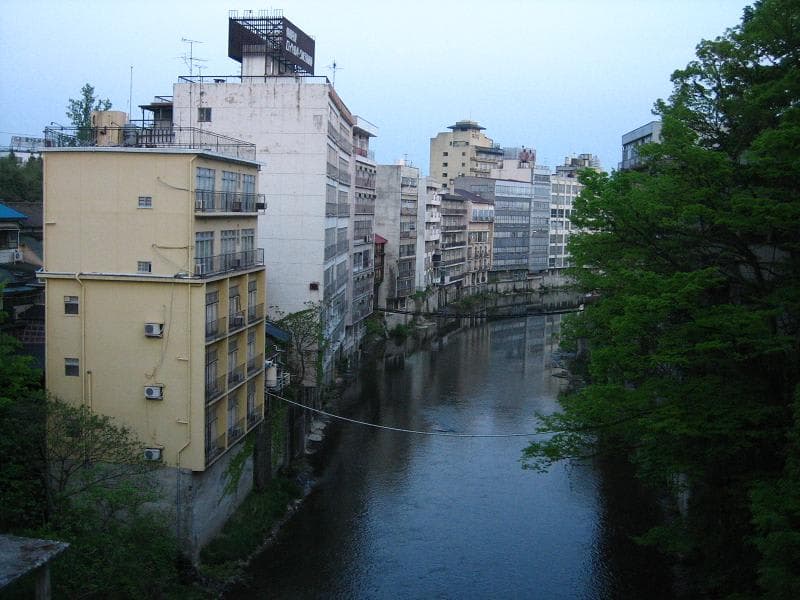
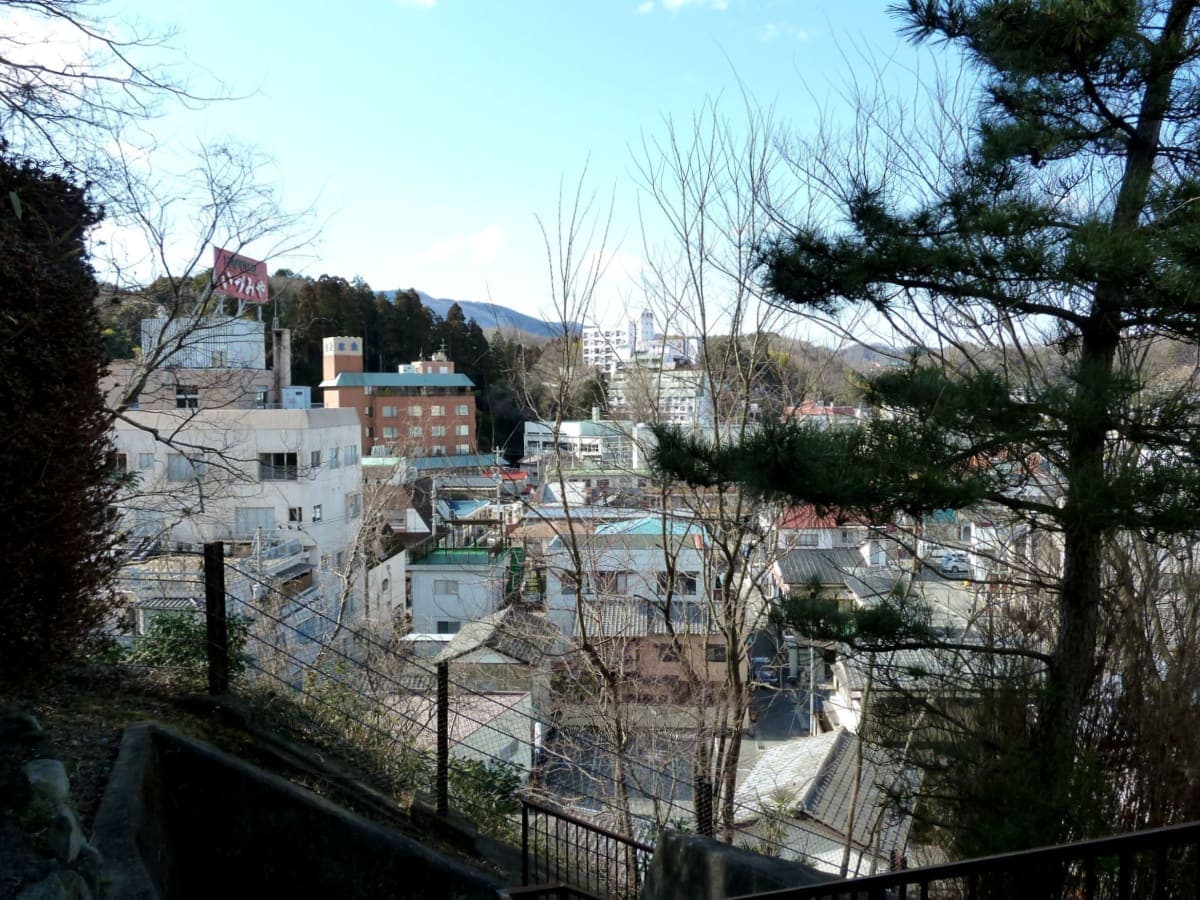
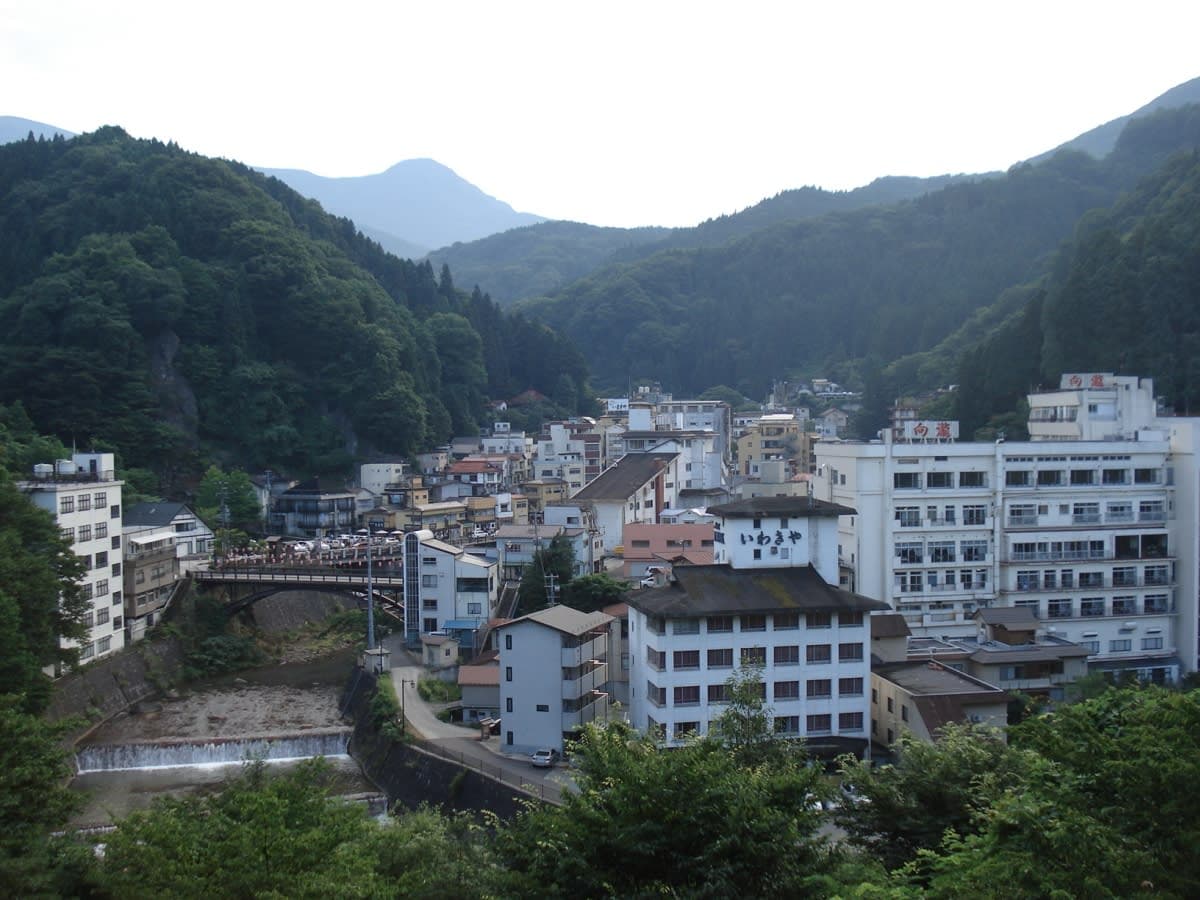
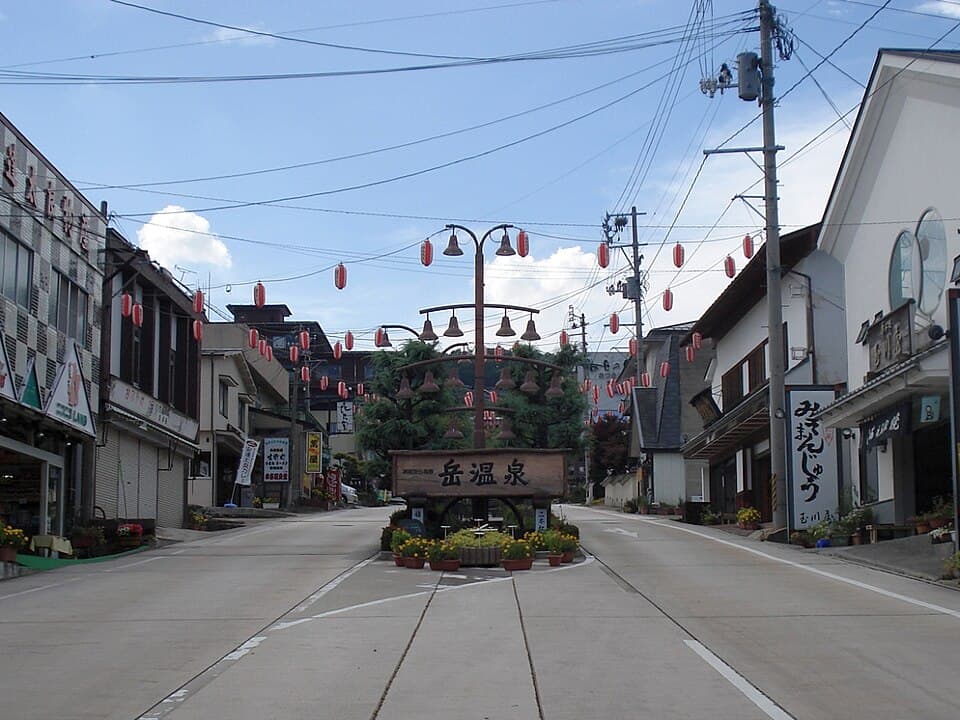
The Joban Line runs down the Pacific coast of Fukushima into Iwaki, and the Yumoto neighborhood sits just west of the city center, a short train or taxi ride from Iwaki Station. Getting off at Yumoto Station puts you directly inside the onsen district, which is compact and old-fashioned and doesn't announce itself loudly. A few ryokan, some small restaurants, a public bathhouse. What happened here over the last 150 years is a stranger story than the town currently suggests.
The Joban coalfields ran beneath this part of Fukushima from the 1870s onward. Miners sinking shafts into the ground kept hitting something unexpected: water. Enormous volumes of it, superheated, often near or above 60 degrees Celsius. Extracting four tons of this hot water for every ton of coal pulled up was a practical problem, and by some accounts men would dunk themselves in cold tubs between shifts just to function. When coal demand collapsed in the 1960s, the mine operators faced a simple choice about what to do with the hot water. In 1966 they opened Japan's first theme park built on geothermal output, the facility now known as Spa Resort Hawaiians, about three kilometers from the onsen district. They trained eighteen coal miners' daughters and wives as hula dancers over ten months, and the resulting performance troupe became famous enough that a film about them became a hit decades later.
The Yumoto onsen water itself flows at 58.3 degrees from the source, sodium-chloride type, clear and colorless. At the public bath, Shioyu no Yado, the water comes in hot and sits at the upper end of comfortable, leaving a very faint saline trace on the skin and producing the characteristic chloride effect of sustained warmth after you step out. The town's thermal history is old enough to appear in Nara-period records, long before the coal era complicated everything.
Spending a night in a Yumoto ryokan and then making the short drive to Spa Resort Hawaiians the following morning is genuinely disorienting in the way that Japan sometimes is: indoor palm trees and performing hula dancers, all powered by the same volcanic water that soaks your feet in the quiet neighborhood next door.
How this spring compares
pH level
7.8
More alkaline than67% of Japan springs
More acidic than27% of Japan springs
Japan median7.3
Japan range1.2–11.3
n=121 springs
Max temperature
65°C
Hotter than57% of Japan springs
Japan median60°C
Japan hottest105°C
n=122 springs
Getting there
Take the Tohoku Shinkansen to Koriyama Station, then take a local train to Yumoto Station. The onsen is within walking distance from the station.
Amenities
Towel rental
Locker
Restaurant
Café
Parking
Wheelchair access
English spoken
Tattoo-friendly
Private bath
Soap provided
Hair dryer
Location & nearby
Iwakiyumoto Onsen, Iwaki, Fukushima
Yumoto Station · 0 km
Shin-Shirakawa Station · 57.9 kmShinkansen
Uchigo Station · 3.3 km
Izumi Station · 5.6 km
Iwaki Station · 6.9 km
Fukushima Airport · 44.8 km
Ibaraki Airport · 99.6 km
Fukushima Airport Building Co., Ltd. · 44.3 km
Yumoto-Higashiguchi · 0.1 km
Tennozaki · 0.2 km
Book a stay nearby
Hotels near Iwaki Yumoto
18+ optionsSpringsAtlas may earn a commission from bookings made through these links.
More springs in Tohoku
1 / 13



Last verified:
Data: OpenStreetMap (ODbL) · local tourism agencies
Verified listing