
Public · Indoor & Outdoor · ¥500
44–68°CWater temp
6.5pH
¥500 (~$4)Entry fee
PublicBathing type
—Opening hours
About this spring
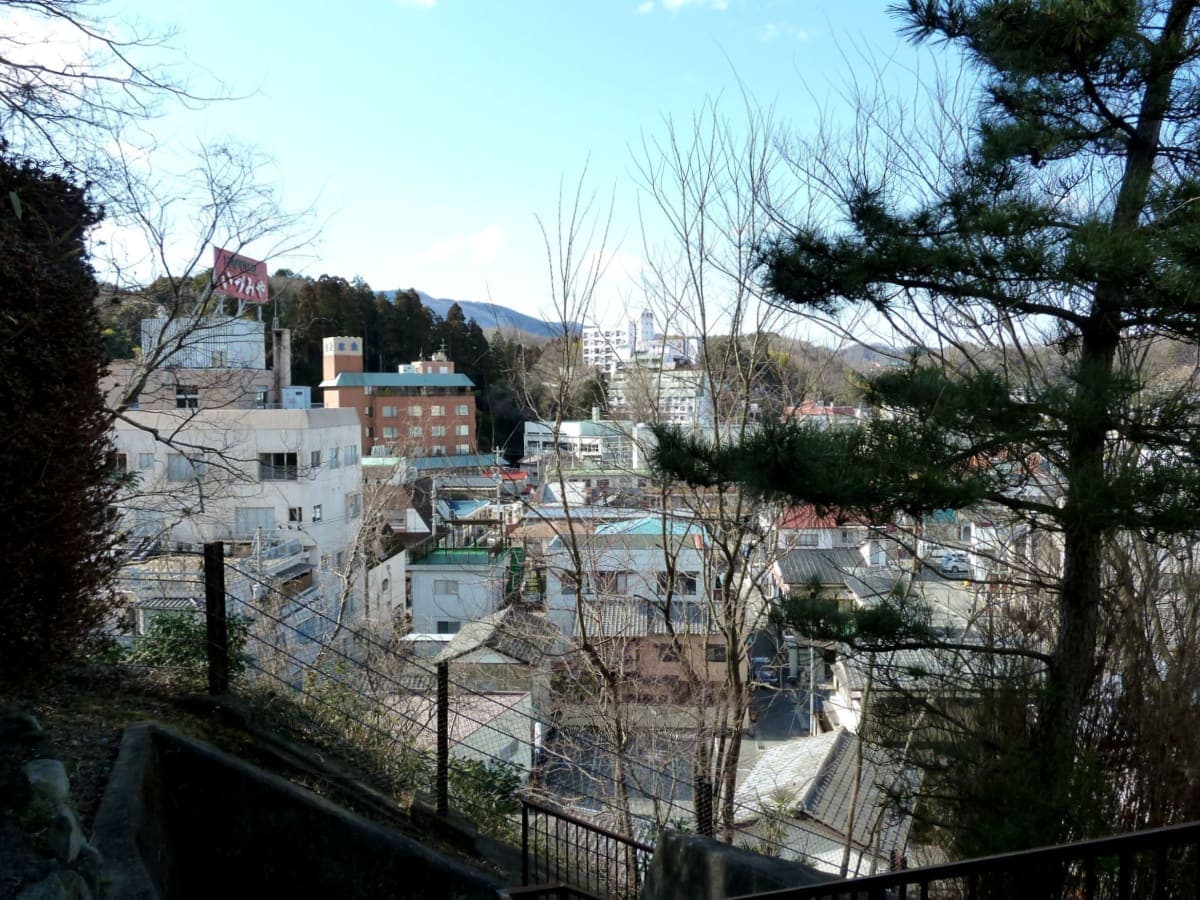
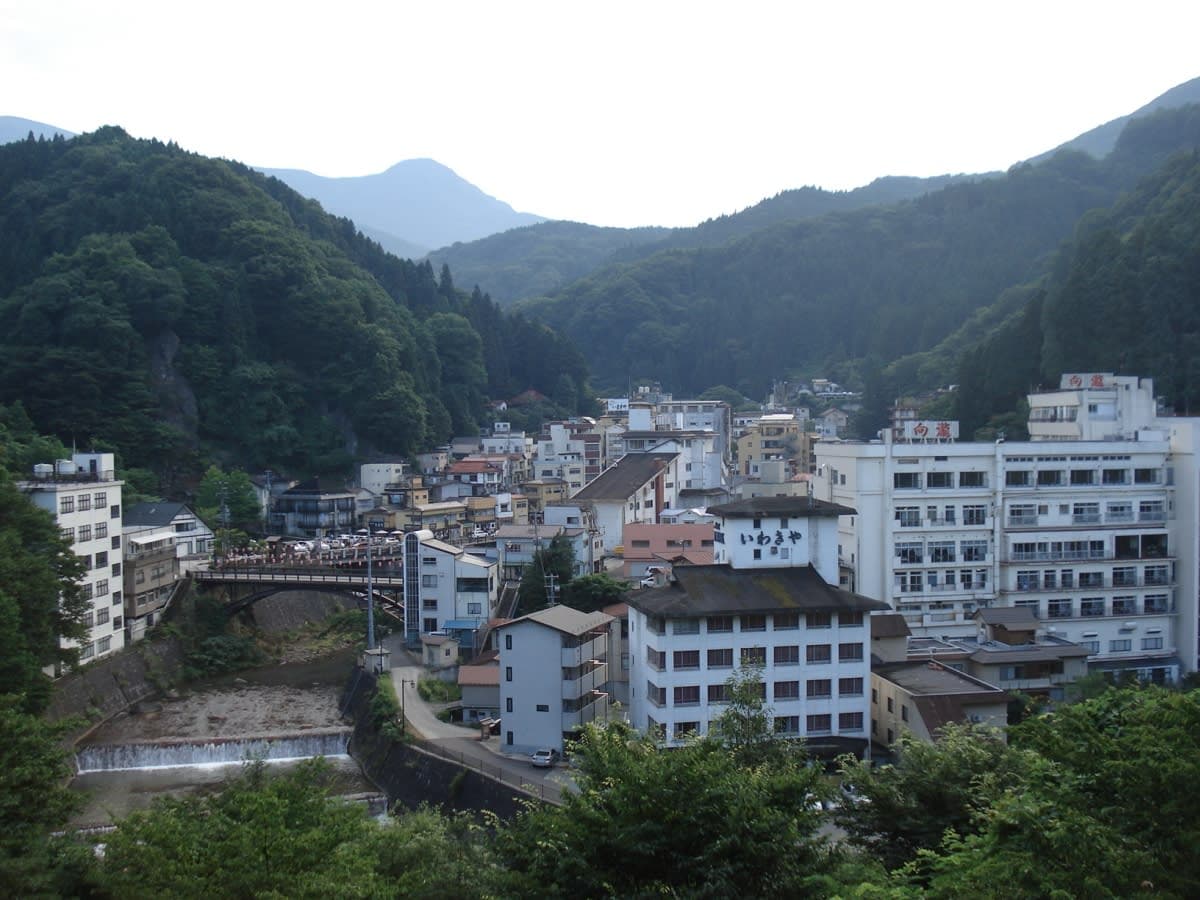
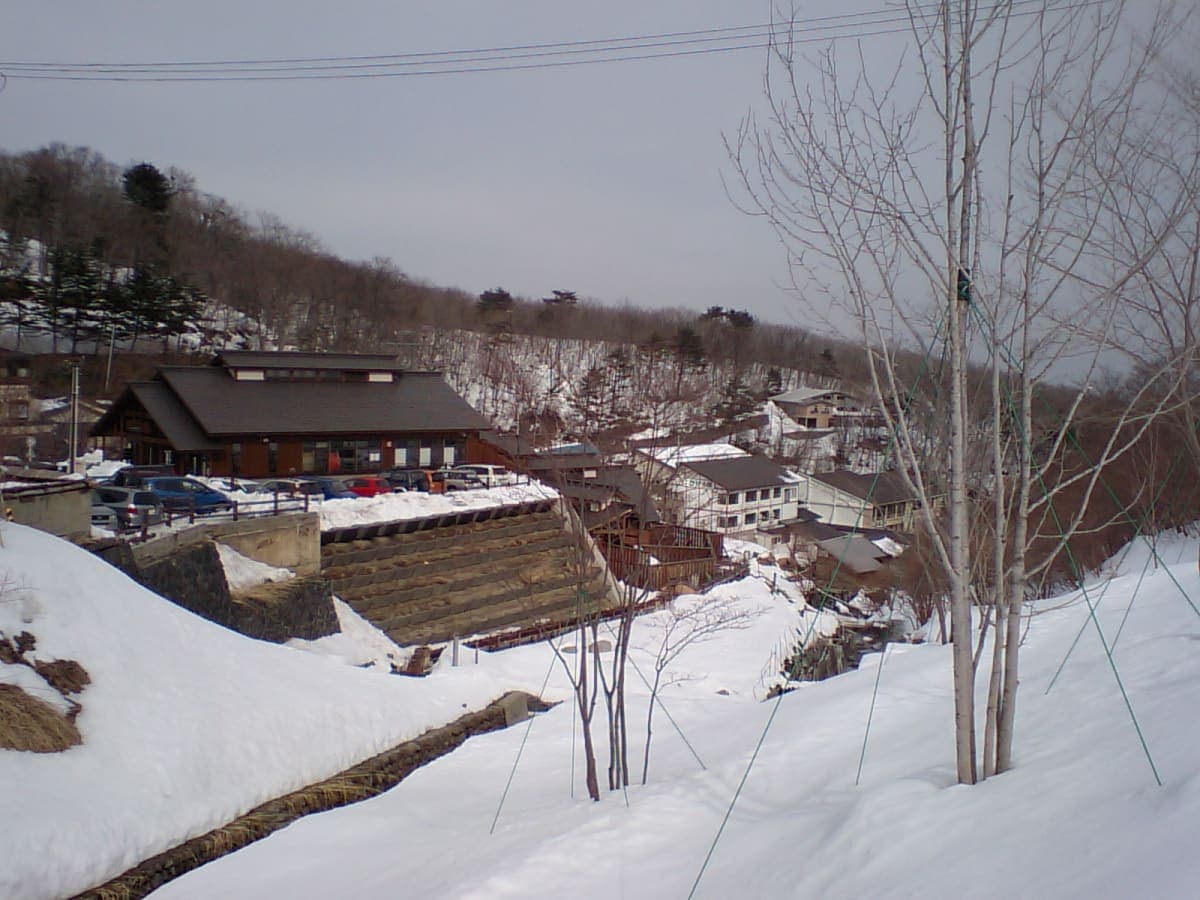
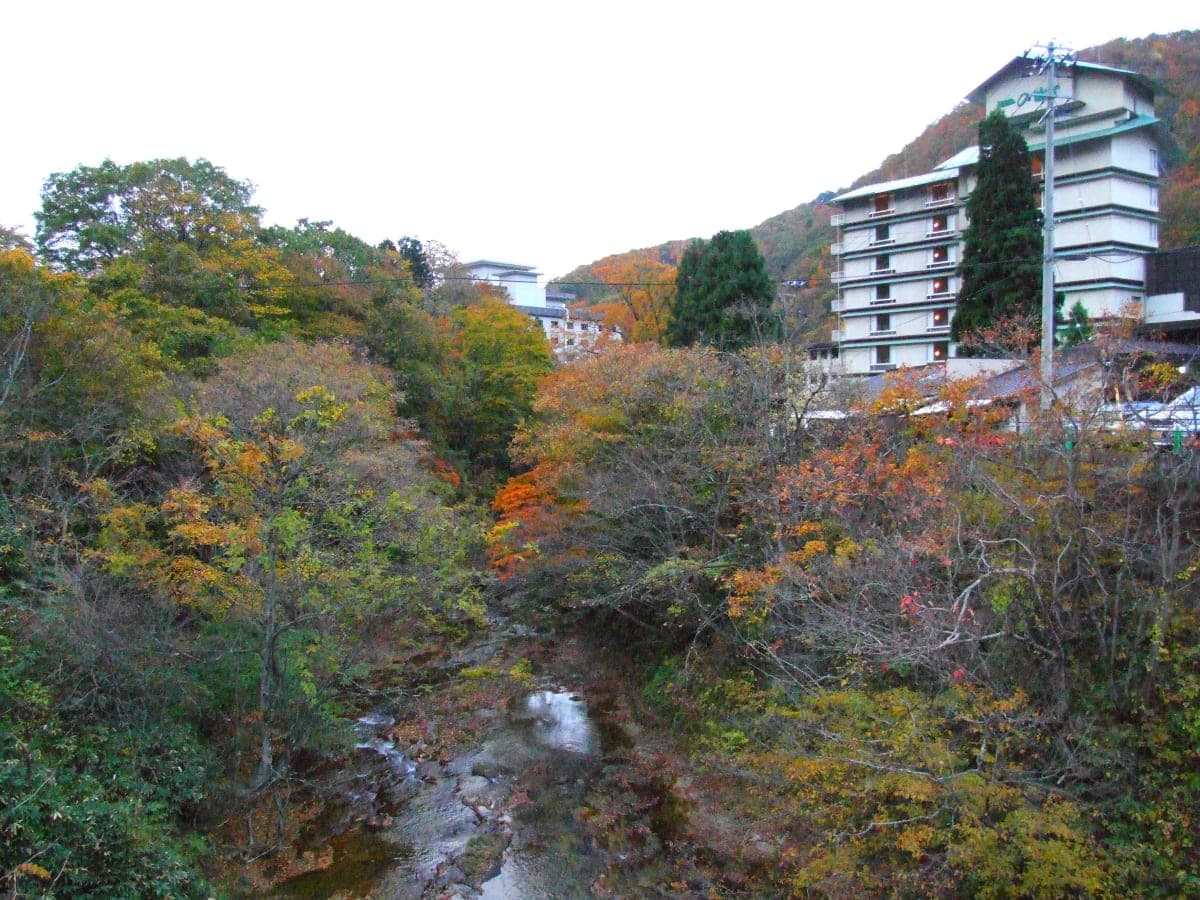
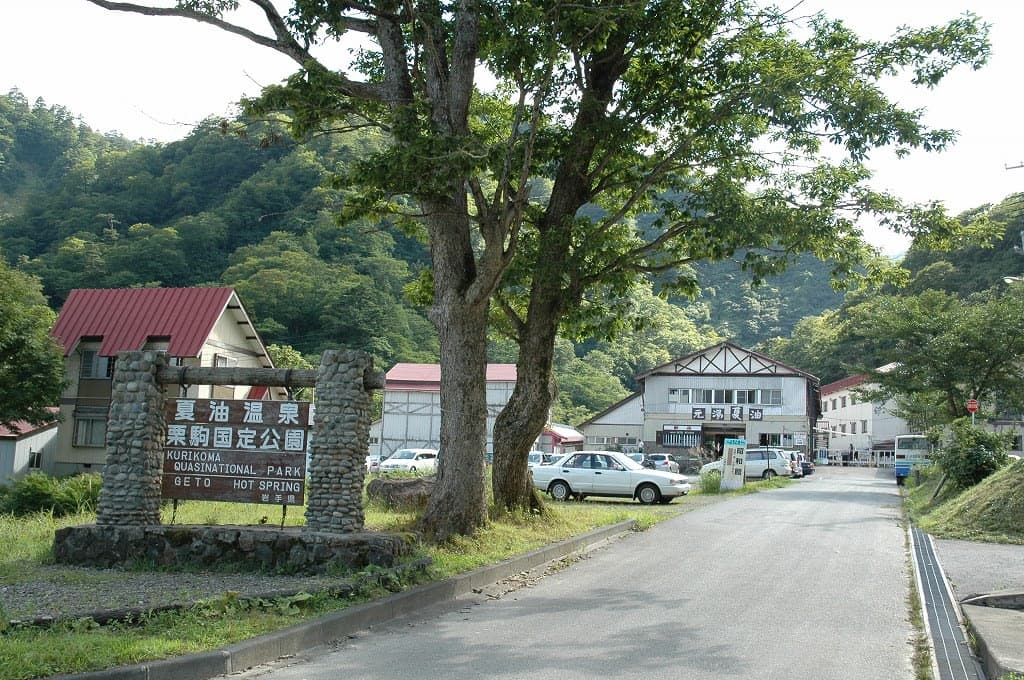
A small mountain onsen about 16 kilometers west of Fukushima city, set along the Arakawa River at the base of Mount Azuma. The waters are clear and colorless with faint sulfur traces. The town is also known for a distinct style of kokeshi dolls: smaller heads and specific decorative features that emerged from the winter craft tradition of this remote valley.
Data: Wikipedia (CC BY-SA 4.0) · OpenStreetMap (ODbL)
Highlights
- Tsuchiyu-style kokeshi dolls
- Faint sulfur spring
- Four free village footbaths
- Mountain river setting
Suitability
Tattoo policy
Policy varies
Children policy
Family-friendly
Altitude
450m
Mineral chemistry
Sulfur
Benefits
Sulfuric hot springs are among the most studied in Japanese balneology. The sulfur compounds — primarily hydrogen sulfide and thiosulfate — have documented antimicrobial and anti-inflammatory properties. Regular bathing is associated with relief from chronic skin conditions including eczema and psoriasis, as well as joint inflammation and muscle soreness. Sulfuric waters have been prescribed in Japanese medical practice since the Edo period.
Note
The distinctive rotten-egg smell dissipates quickly after leaving the bath. Avoid if you have a sulfur allergy, very sensitive skin, or respiratory conditions. Remove silver jewellery before entering — sulfur will blacken it permanently.
Carbonated (CO₂)
Benefits
Carbonated hot springs are genuinely rare — natural CO₂ concentration dissolves rapidly at high temperatures, so most are warm rather than hot (typically 30–37°C). The dissolved carbon dioxide creates micro-bubbles that cling to the skin, dilating capillaries and boosting local circulation to a degree comparable to mild exercise. This effect is used therapeutically in Japan for cardiovascular rehabilitation and is one reason carbonated springs are sometimes called "heart baths." The tingling sensation is mild and pleasant.
Note
Carbonated springs are typically cooler than conventional onsen. The circulation-boosting effect means those with cardiovascular conditions should soak for shorter periods (10–15 minutes maximum) and exit slowly to avoid lightheadedness. CO₂ is heavier than air — in enclosed bathhouses, ventilation is important.
History
The town's kokeshi tradition grew in the nineteenth century when heavy snowfall isolated local craftsmen for months at a time.
They turned to woodturning as a secondary income, and the particular conditions of this valley produced a kokeshi style noticeably different from those made in other Tohoku towns. The hot springs themselves have been in use for centuries, drawing travellers stopping along the mountain road west of Fukushima.
Local guide
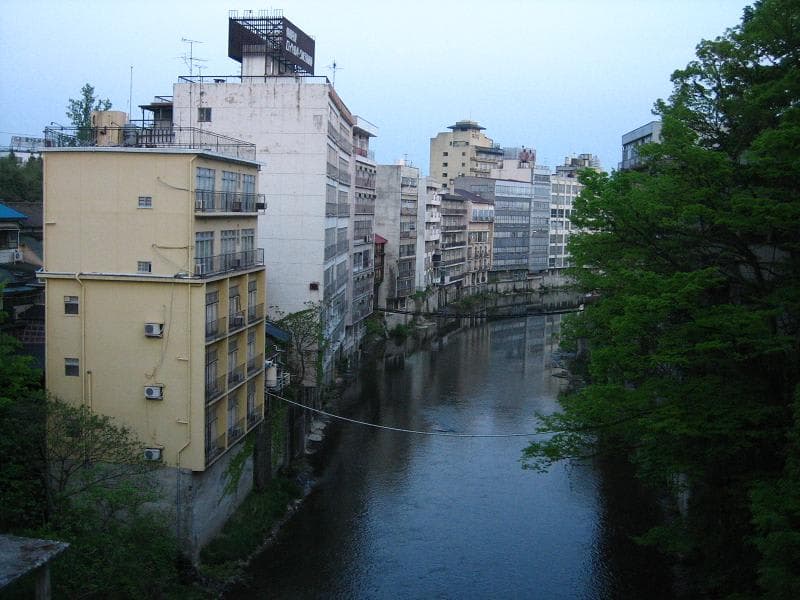
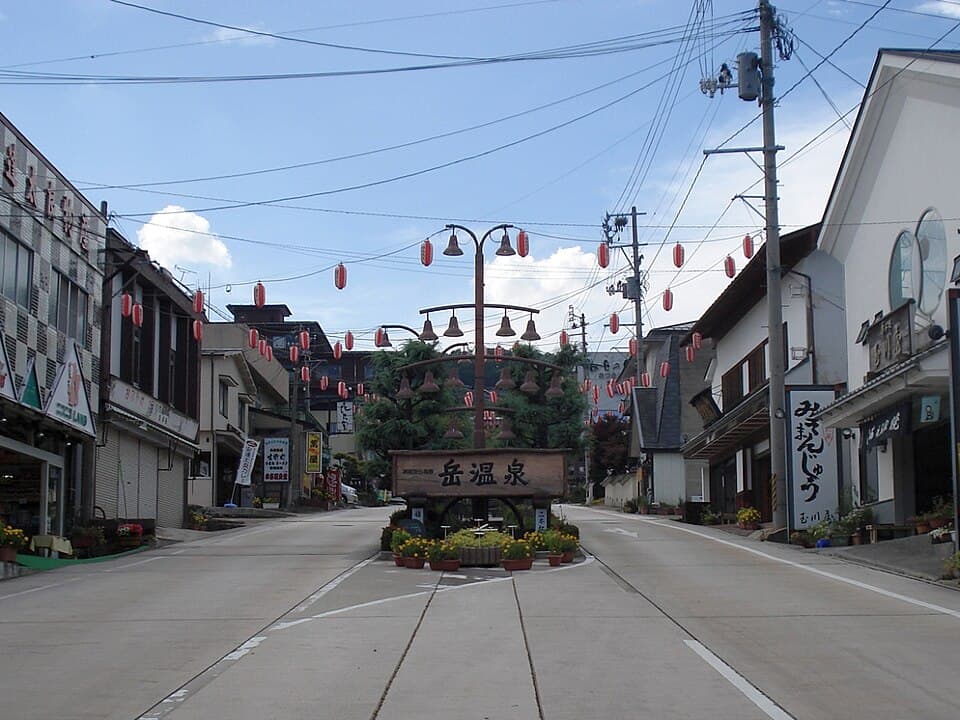
From Fukushima Station you take the Ban'etsu West Line west through tunnels and along river terraces until you arrive at a small mountain town where the valley closes in on both sides. Tsuchiyu Onsen sits at the base of Mount Azuma along the Arakawa River gorge, about sixteen kilometers from the city center, and its narrow main street is lined with inns so old their wooden facades have gone almost black with age. Steam pipes run underneath some of the roads here, and on cold mornings you can see wisps rising from the pavement.
The water at Tsuchiyu emerges from the ground as superheated steam at roughly 150 degrees Celsius, which is then piped and cooled before reaching the baths. The bathing water itself is colorless and completely clear, with only a faint trace of sulfur smell that reminds you something geological is happening beneath your feet. Some sources run slightly carbonated, giving a soft, almost fizzy feeling against your skin, and the pH of around 6.5 makes it close to neutral, gentle enough that you can stay in longer than you might expect. The temperature in the finished bath ranges from the mid-forties into the sixties at the hotter inns.
Tsuchiyu has a second tradition that has nothing to do with water. In the mid-1800s, when heavy winter snowfall blocked the mountain routes for months at a time, local craftsmen started carving wooden kokeshi dolls to earn income through the quiet season. Tsuchiyu Kokeshi became one of the most distinctive regional styles in Japan: they have slender, striped bodies painted while spinning on a lathe, small rounded eyes, a thin nose, and a distinctive black fringe across the forehead. You can watch a carver at work in the village today, and the dolls sold here are made in exactly the same tradition as those from two centuries ago.
There are four free foot baths scattered along the main street, which means you can arrive without paying a thing and still get the water on your skin. But the real reason to come is the gorge itself. A short walk from the town center brings you to a viewpoint over the Arakawa River where the cliffs drop sharply and the water is a deep jade green below. It is a straightforward place with no grand resort energy, and that is exactly why it works.
How this spring compares
pH level
6.5
More alkaline than19% of Japan springs
More acidic than75% of Japan springs
Japan median7.3
Japan range1.2–11.3
n=121 springs
Max temperature
68°C
Hotter than63% of Japan springs
Japan median60°C
Japan hottest105°C
n=122 springs
Getting there
Take the Tohoku Shinkansen to Fukushima Station, then take a local bus toward Tsuchiyu Onsen. The journey takes about 30 minutes.
Amenities
Towel rental
Locker
Restaurant
Café
Parking
Wheelchair access
English spoken
Tattoo-friendly
Private bath
Soap provided
Hair dryer
Location & nearby
Tsuchiyu Onsen, Tsuchiyuonsenmachi, Fukushima, 960-2157
Fukushima Station · 14.6 kmShinkansen
Sasakino Station · 12.5 km
Kanayagawa Station · 10.8 km
Niwasaka Station · 11.2 km
Sendai Airport · 72.4 km
Fukushima Airport · 51.4 km
Fukushima Sky Park · 16.4 km
Tsuchiyu-Mitsuke · 0 km
Suginoshita · 0.2 km
Tsuchiyuonsen · 0.3 km
Book a stay nearby
Hotels near Tsuchiyu
9+ optionsSpringsAtlas may earn a commission from bookings made through these links.
More springs in Tohoku
1 / 13



Last verified:
Data: OpenStreetMap (ODbL) · local tourism agencies
Verified listing