
Public · Indoor & Outdoor · ¥350
40–90°CWater temp
2.5pH
¥350 (~$2)Entry fee
PublicBathing type
—Opening hours
About this spring
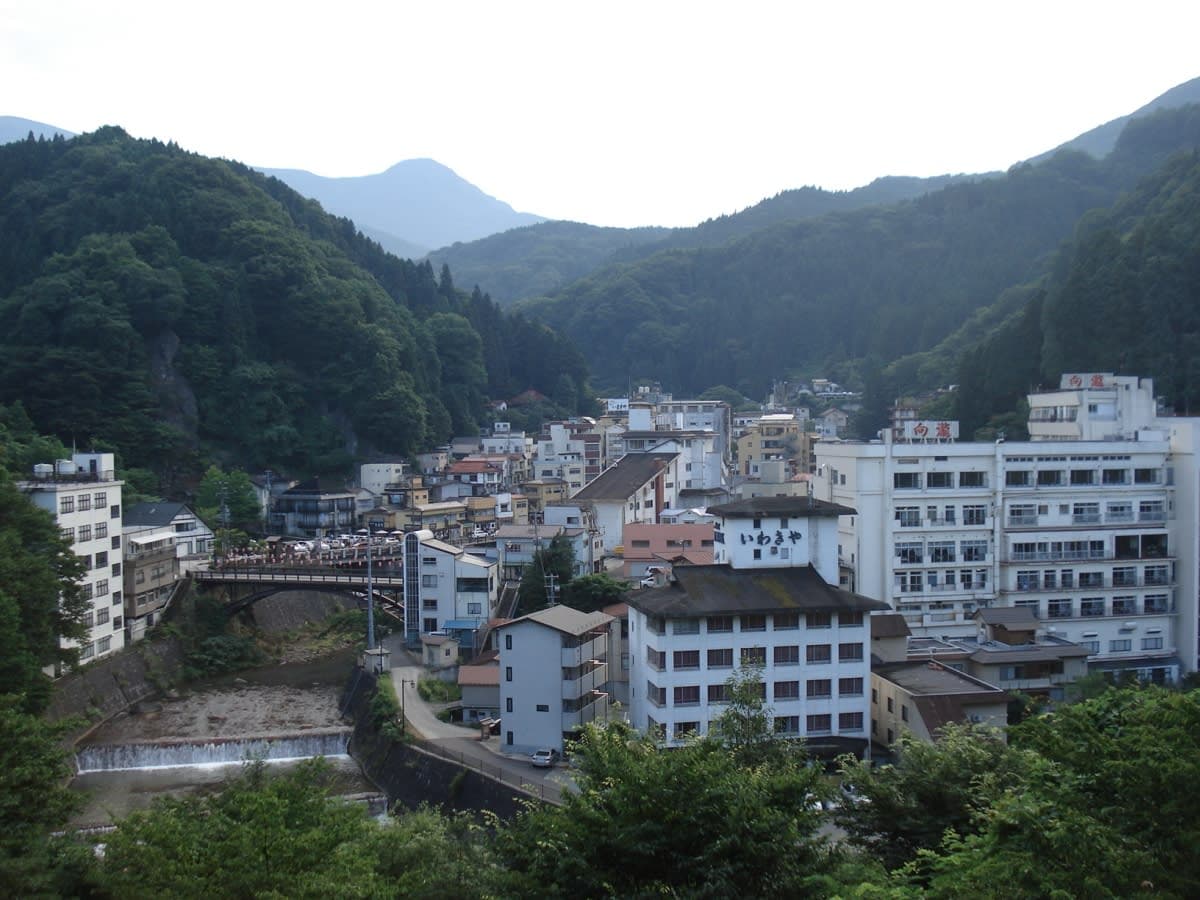
A highland hot spring village on the slopes of Mount Adatara in Nihonmatsu, Fukushima Prefecture, with strongly acidic water at pH 2.5. The town has been through more upheaval than most: a catastrophic landslide in 1824 buried the original settlement, and the Boshin War of 1868 destroyed the rebuilt town during fighting that included the famous last stand of the Nihonmatsu Shonentai, a unit of boy samurai aged 12 to 17.
Data: Wikipedia (CC BY-SA 4.0) · OpenStreetMap (ODbL)
Highlights
- pH 2.5 strongly acidic
- Boshin War battlefield
- Boy samurai Shonentai memorial
- Mount Adatara hiking
Suitability
Tattoo policy
Not permitted
Children policy
Family-friendly
pH note
Highly acidic (pH 2.5)
Altitude
700m
Mineral chemistry
Sulfur
Benefits
Sulfuric hot springs are among the most studied in Japanese balneology. The sulfur compounds — primarily hydrogen sulfide and thiosulfate — have documented antimicrobial and anti-inflammatory properties. Regular bathing is associated with relief from chronic skin conditions including eczema and psoriasis, as well as joint inflammation and muscle soreness. Sulfuric waters have been prescribed in Japanese medical practice since the Edo period.
Note
The distinctive rotten-egg smell dissipates quickly after leaving the bath. Avoid if you have a sulfur allergy, very sensitive skin, or respiratory conditions. Remove silver jewellery before entering — sulfur will blacken it permanently.
Acidic
Benefits
Acidic springs (pH below 6) have natural exfoliating properties. The low pH gently dissolves dead skin cells, leaving skin noticeably smoother after a soak. Strongly acidic springs (pH below 3) also carry antimicrobial effects potent enough that they have historically been used to treat skin infections. Japan has some of the world's most acidic hot springs, with a handful recording pH values below 2.
Note
Limit initial soaks to 3–5 minutes until you know how your skin responds. Rinse thoroughly with fresh water afterwards to neutralise the acid. Not recommended for broken skin, active eczema flare-ups, fresh tattoos, or children under 10. Strongly acidic springs (pH below 3) should not be entered without checking recommended soak times on-site.
History
Records from 863 AD mention a hot spring on the upper slopes of Mount Adatara.
The original settlement, known as Yui Onsen, was buried by a landslide in 1824. In 1826, the lord of Nihonmatsu domain ordered a replacement town built at the foot of the mountain. Because no natural springs existed at the new site, wooden conduits were engineered to carry spring water down six kilometers from above. The Boshin War of 1868 burned the rebuilt town. A fire in 1903 destroyed it again. The town was reconstructed at its present location in 1906 and named Dake Onsen.
Local guide
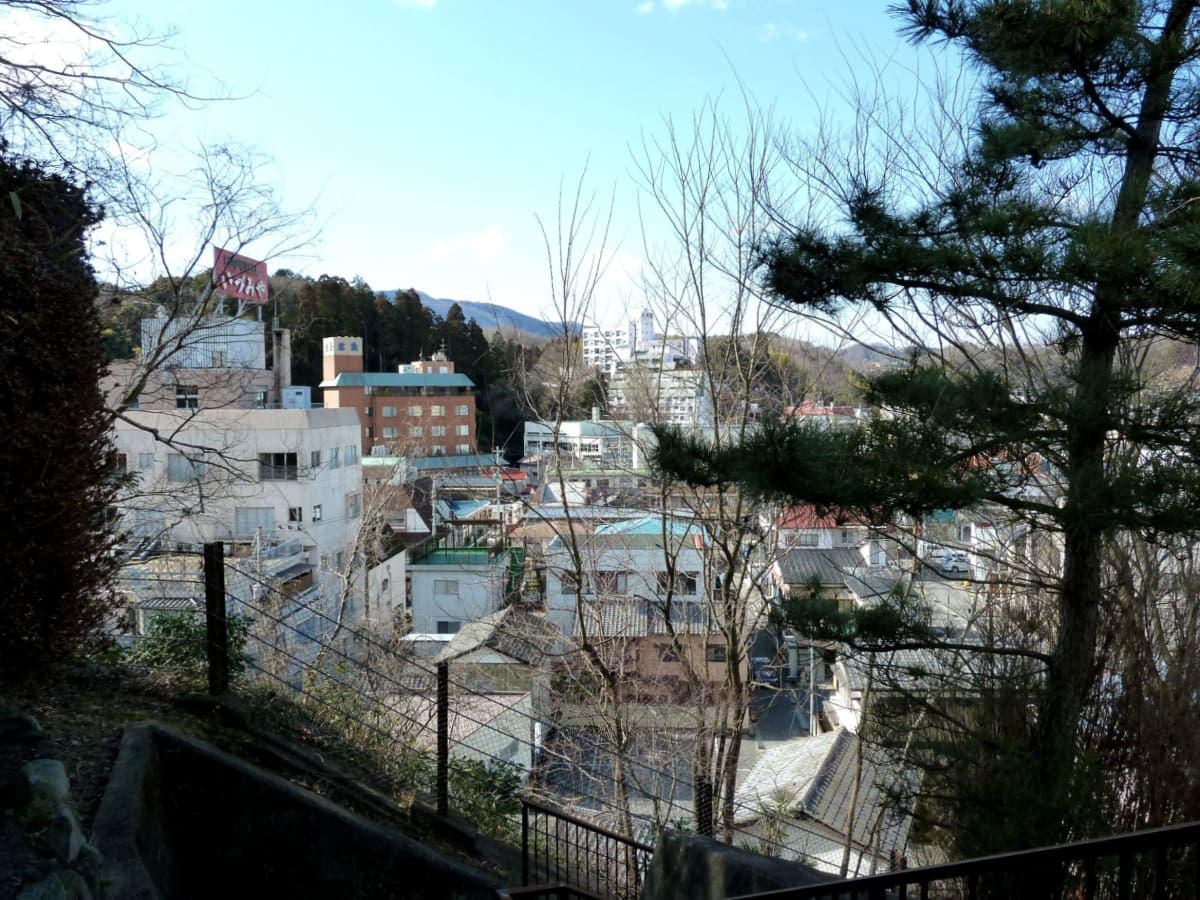
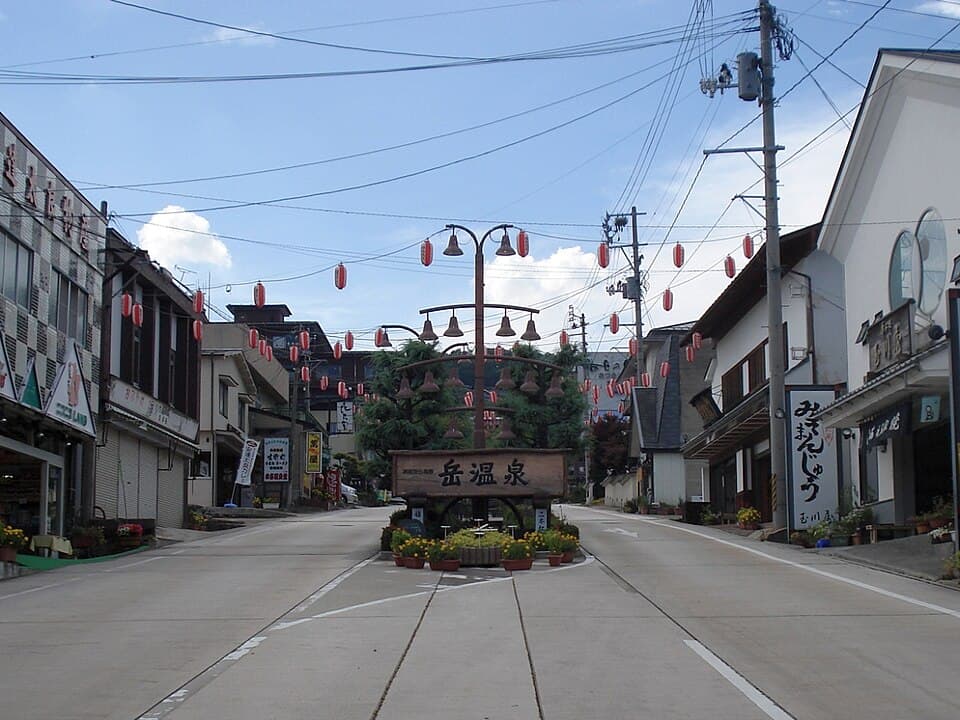
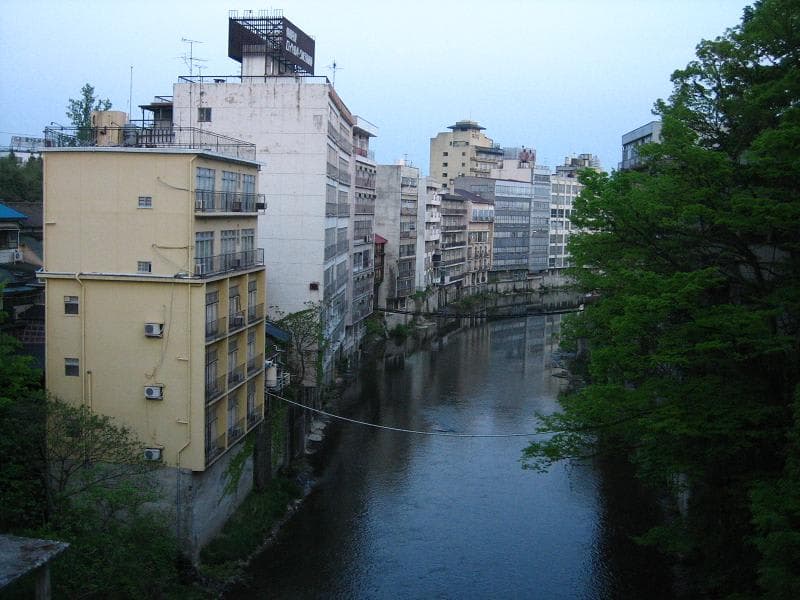
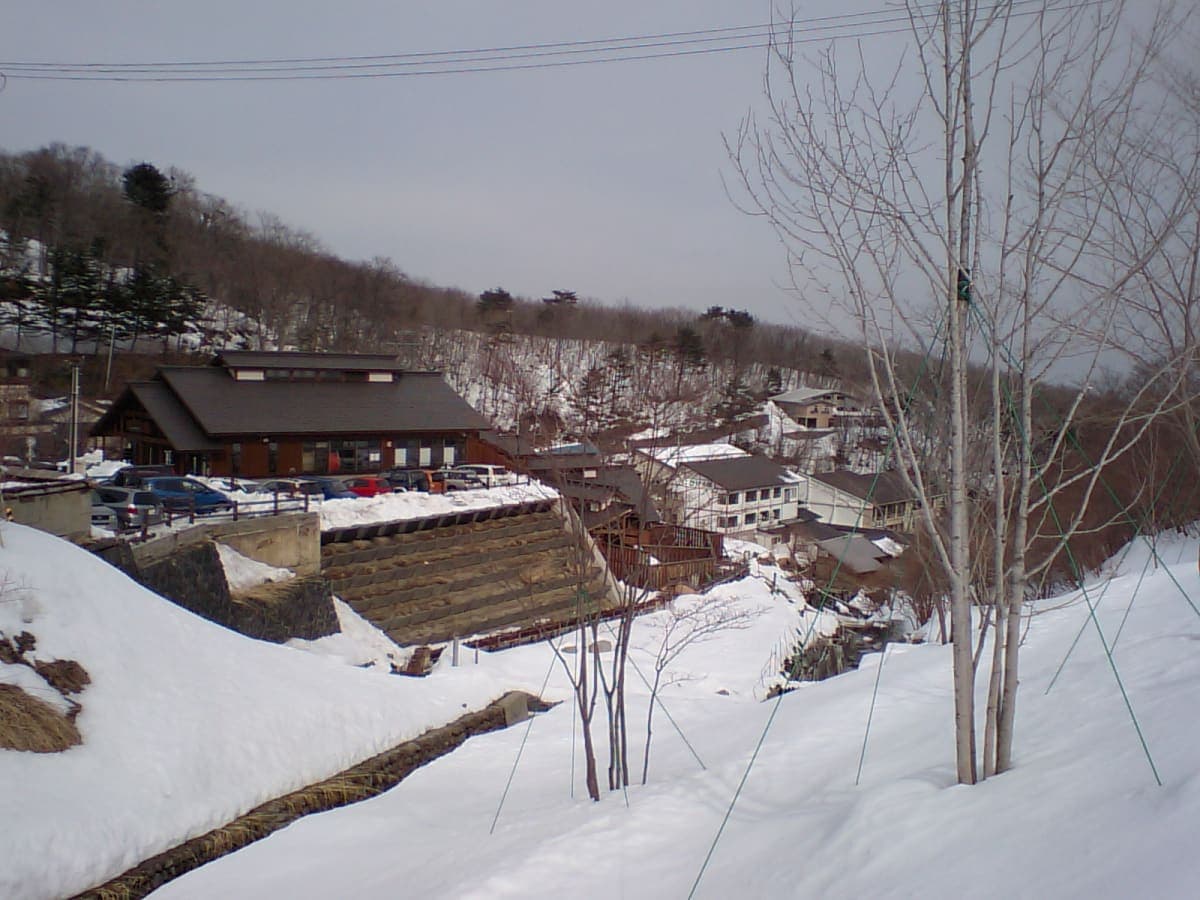
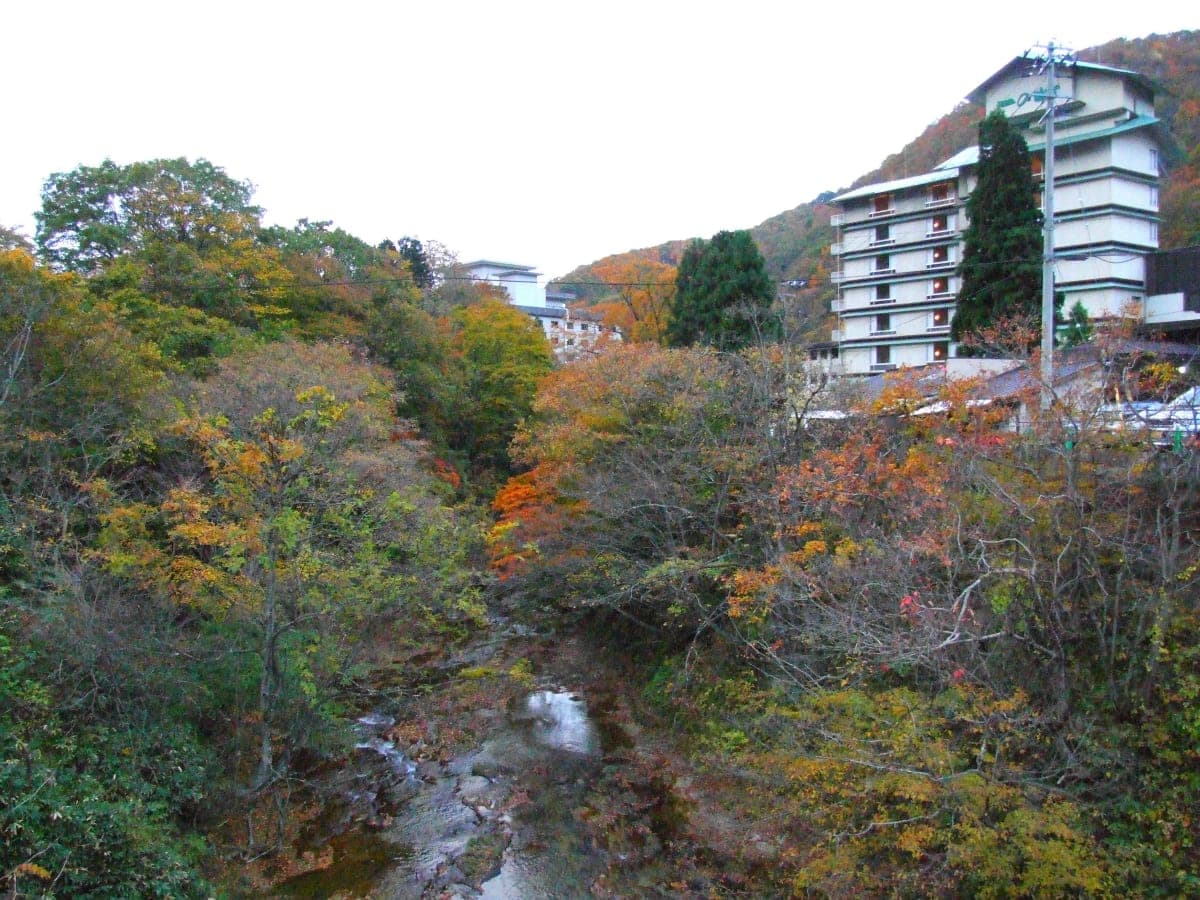
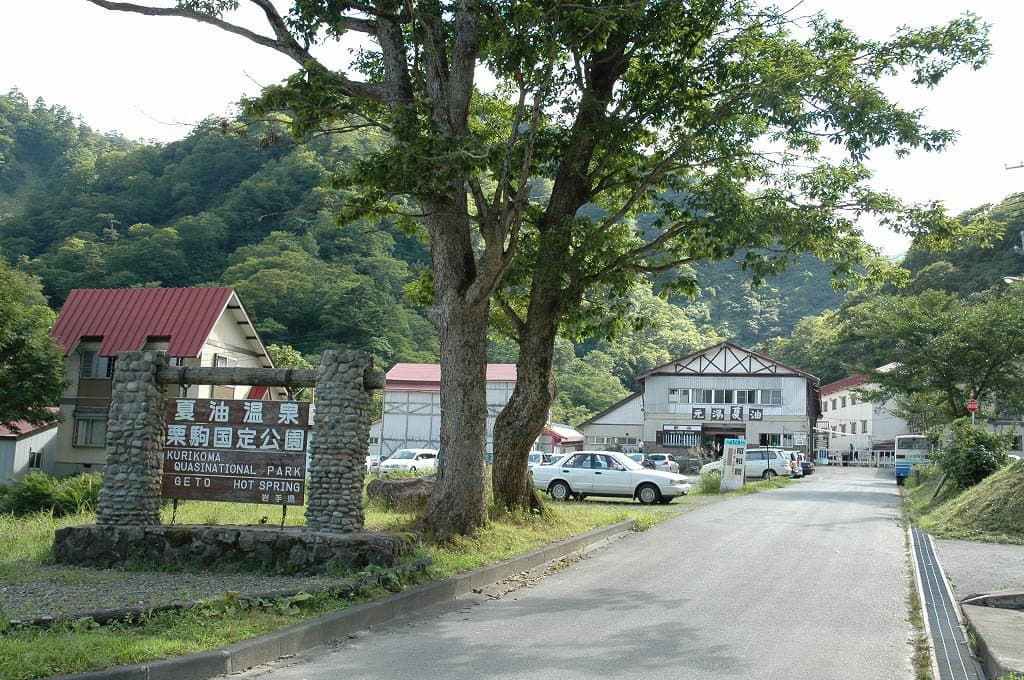
Dake Onsen sits in the mountains above Nihonmatsu City in Fukushima Prefecture, accessible by bus from Nihonmatsu Station on the Tohoku Main Line. The road climbs steeply through cedar and broadleaf forest, and the village that appears after twenty minutes of climbing is compact and weathered, a row of small inns along a mountain stream that feels like it has been doing business here for a long time. The springs are said to have a twelve-hundred-year history, though the modern town dates more clearly to the Edo period, when the hot spring was used to treat injuries and skin conditions.
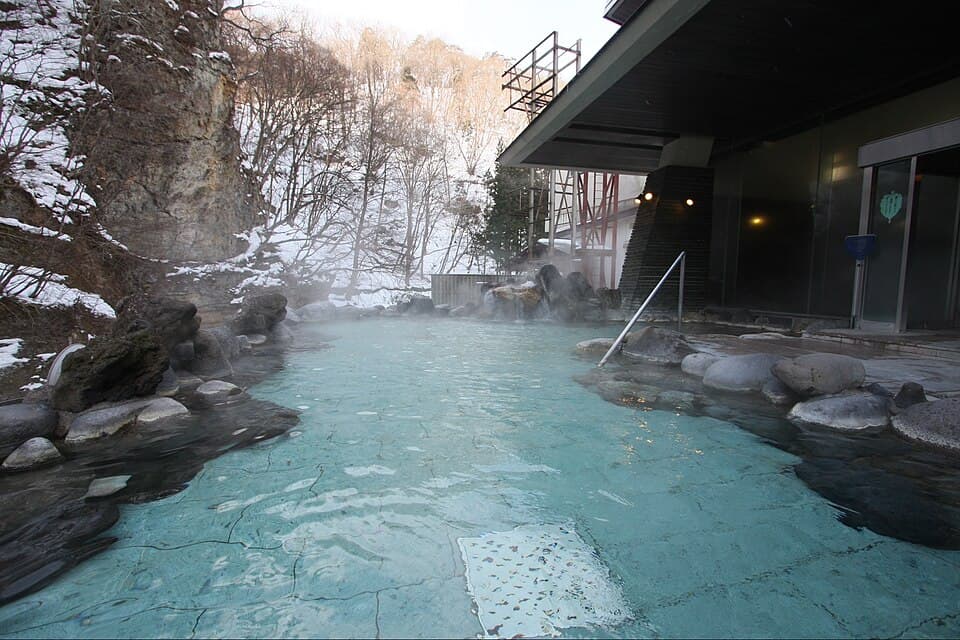
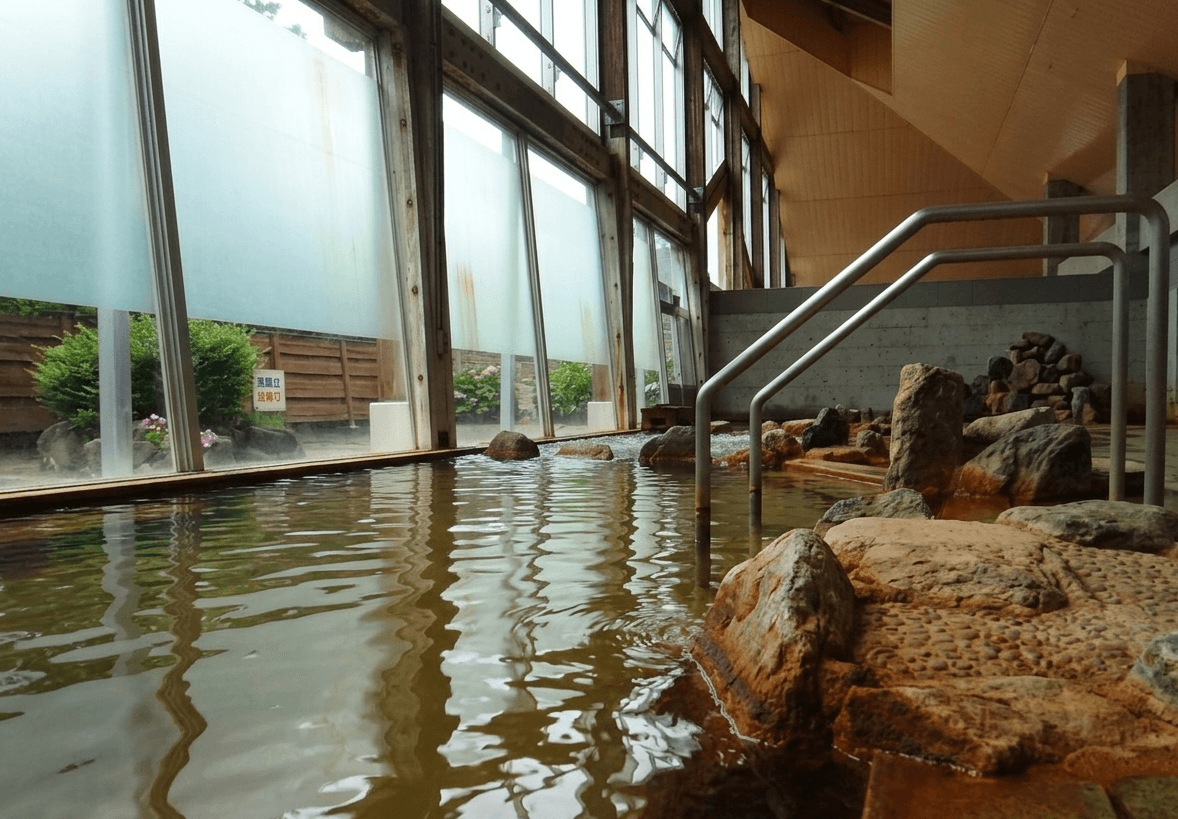
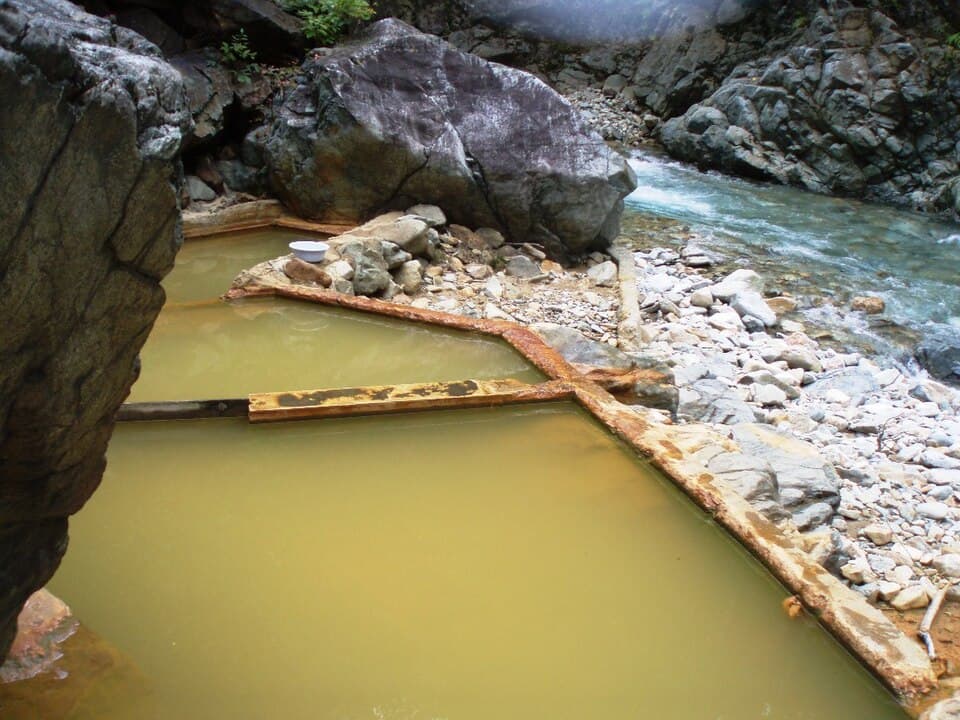
The water at Dake is strongly acidic sulfur, with a pH of 2.5, which puts it among the most acidic bathing springs in Japan. At that level of acidity the water has a sharp, vinegar-like quality on the skin that initially feels surprising. The sulfur smell is present and direct, not the background note you find at milder springs. The water comes out of the source at up to 90 degrees Celsius, and by the time it travels through several kilometers of pipe from the actual vent to the village baths, the temperature moderates and the acid quality softens slightly. The resulting bath is a milky yellow-white, warm and distinctly cleansing on the skin.
The acidity that seems alarming on paper is actually the reason Dake has been valued for skin conditions for centuries. At pH 2.5 the water has a strong antibacterial effect, and longtime visitors claim significant improvement in psoriasis, eczema, and chronic skin inflammation after repeated soaks. You rinse thoroughly after bathing here, unlike at alkaline springs where the residue is part of the benefit. Adatara, the mountain directly above the village, is a volcano that last erupted in 1900, and the spring source is on the flanks of a still-active geothermal zone. Looking up at the peak from the outdoor tub while the acidic water works on your skin, that connection between the hot earth and the bath in front of you is direct and obvious.
The village has a particular Showa-era atmosphere that many visitors find unexpectedly appealing. The inns are not luxury establishments. The decor runs to worn woodwork, floral wallpaper, and communal dining rooms where the food is Tohoku mountain cooking: wild mountain vegetables, pickled things, grilled local fish. The schedule is organized around bathing and meals, which is all it was ever organized around. Nihonmatsu's famous Adatara Highland and the chrysanthemum festival in October are additional reasons to time a visit to this corner of Fukushima, but the spring itself is reason enough.
How this spring compares
pH level
2.5
More alkaline than11% of Japan springs
More acidic than87% of Japan springs
Japan median7.3
Japan range1.2–11.3
n=121 springs
Max temperature
90°C
Hotter than82% of Japan springs
Japan median60°C
Japan hottest105°C
n=122 springs
Getting there
Take the Tohoku Shinkansen to Koriyama Station, then transfer to the JR Tohoku Main Line to Nihonmatsu Station, about 25 minutes. From Nihonmatsu Station, take a Fukushima Kotsu bus to Dake Onsen, about 20-25 minutes. Check timetables in advance.
Amenities
Towel rental
Locker
Restaurant
Café
Parking
Wheelchair access
English spoken
Tattoo-friendly
Private bath
Soap provided
Hair dryer
Location & nearby
Dake Onsen, Nihommatsu, Fukushima
Fukushima Station · 19.2 kmShinkansen
Adachi Station · 9.6 km
Sugita Station · 6.9 km
Nihonmatsu Station · 7.1 km
Fukushima Airport · 42.6 km
Sendai Airport · 77.1 km
Fukushimaken Keisatsu Helipad · 11.6 km
Dakeonsen · 0 km
Onsen-Iriguchi · 0.2 km
Dake 2-Chome · 0.5 km
Book a stay nearby
Hotels near Dake
13+ optionsSpringsAtlas may earn a commission from bookings made through these links.
More springs in Tohoku
1 / 13
Last verified:
Data: OpenStreetMap (ODbL) · local tourism agencies
Verified listing