

Public · Indoor & Outdoor · ¥500
30–34°CWater temp
8.0pH
¥500 (~$3)Entry fee
PublicBathing type
—Opening hours
About this spring
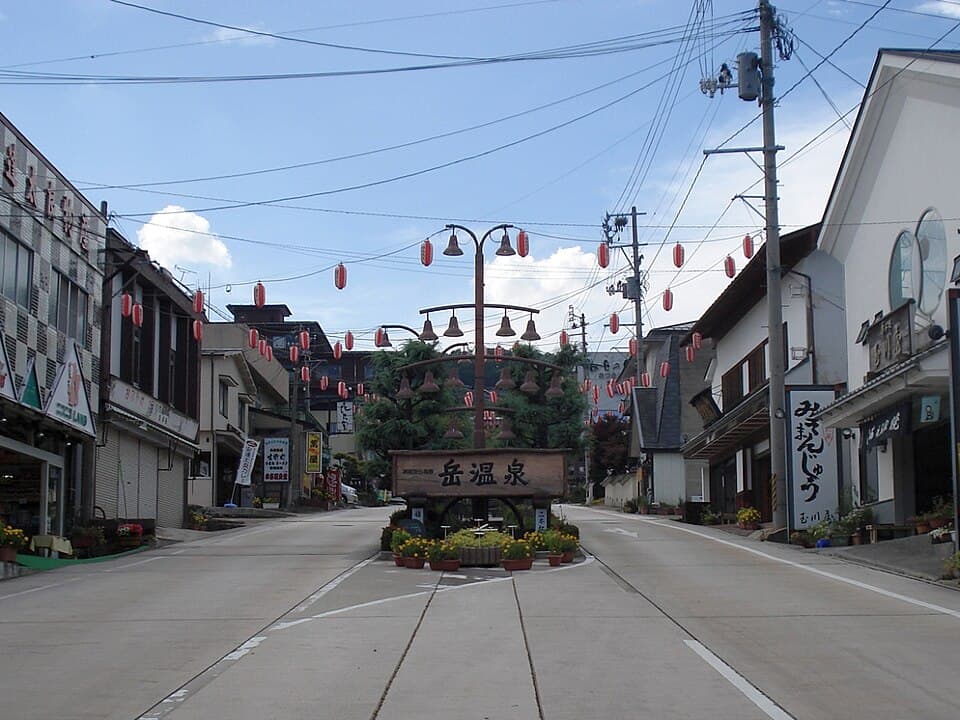
A cluster of seven hot spring inns along the Mabechi River in Ninohe, Iwate Prefecture. The alkaline waters are designated as a National Public Health Spa by the Ministry of the Environment. The town is small and quiet, with a strong atmosphere of traditional Tohoku hospitality.
Data: Wikipedia (CC BY-SA 4.0) · OpenStreetMap (ODbL)
Highlights
- Seven inns on Mabechi River
- National Public Health Spa
- Zashiki-warashi folklore
- Founded 1626
Suitability
Tattoo policy
Not permitted
Children policy
Family-friendly
Altitude
200m
Mineral chemistry
Alkaline
Benefits
Alkaline springs (pH above 8) are known in Japan as "bijin-no-yu" — beauty water — for their skin-softening effect. The high pH saponifies skin oils, producing a characteristic silky feel on the skin surface. Regular soaking is associated with improved skin moisture retention and a reduction in roughness. Strongly alkaline springs (pH above 10) are among the most effective for this effect.
Note
The slippery feeling underfoot in highly alkaline springs is normal — take care when standing and walking in the bath. Avoid prolonged soaking if you have dry or sensitive skin, as the same mechanism that softens skin can over-strip natural oils with excessive exposure.
History
The springs were developed in 1626 during the early Edo period for samurai serving the Nanbu clan of Morioka Domain.
The facility received national recognition when it was designated a National Public Health Spa in 1994. One of the inns, Ryokufuso, was known throughout Japan for housing a zashiki-warashi, a benevolent household spirit of Tohoku folklore. The inn burned down in 2009 in a fire that drew national attention.
Local guide
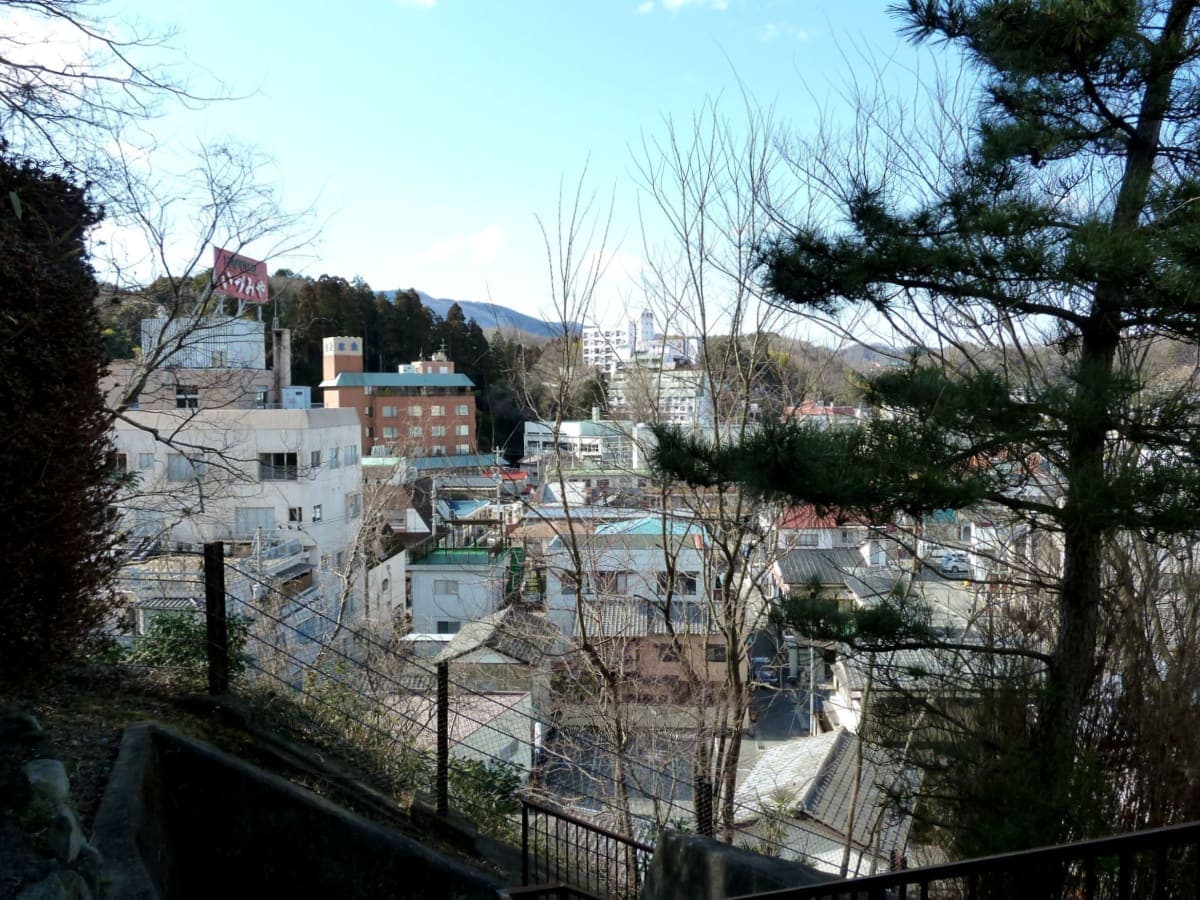
From Ninohe Station on the Tohoku Shinkansen, the local road drops south through farmland and then follows the Mabechi River upstream into a quiet valley. The river here is geologically unusual. The rounded stones on its bed are fossilized nodules, some containing imprints of ancient marine animals, and researchers have apparently been collecting them for years. Kindaichi Onsen sits on the banks of this fossil river, a cluster of seven traditional inns that have been drawing bathers since 1626, when the site was developed as a recovery retreat for samurai serving the Nanbu clan of Morioka Domain.
The water is alkaline, drawn from a simple spring that emerges warm and odorless and very clear. There is none of the sulfur sharpness you find further south in the volcanic zones. What you get instead is silk. The high alkalinity gives the water that characteristic slippery smoothness that feels like it is stripping something from your skin, and when you towel off and step outside into the cold Tohoku air, your skin holds warmth in a way it usually does not. The Ministry of the Environment designated Kindaichi a National Public Health Spa in 1994, which is a formal recognition of water quality standards that not many onsen achieve.
The most famous story attached to Kindaichi Onsen concerns a spirit called Kamemaro, a zashiki-warashi, which in Japanese folklore is a child-shaped house spirit that brings good fortune to wherever it lives. Kamemaro was said to inhabit one of the inns, Ryokufu-so, and the stories of guests encountering it and subsequently experiencing good luck stretched back generations. Then in October 2009, Ryokufu-so burned down in a fire that destroyed the building entirely. A small shrine called Kamemaro Shrine was built in the backyard of the rebuilt property, and it still stands.
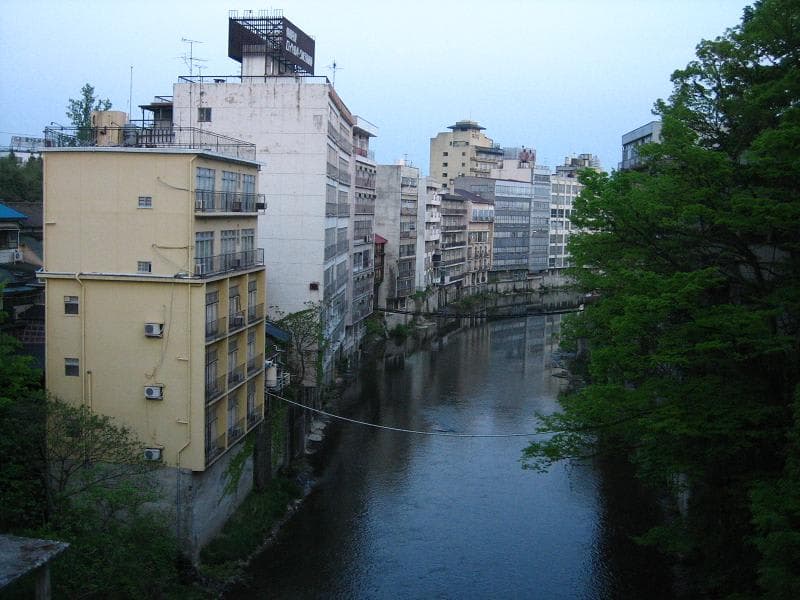
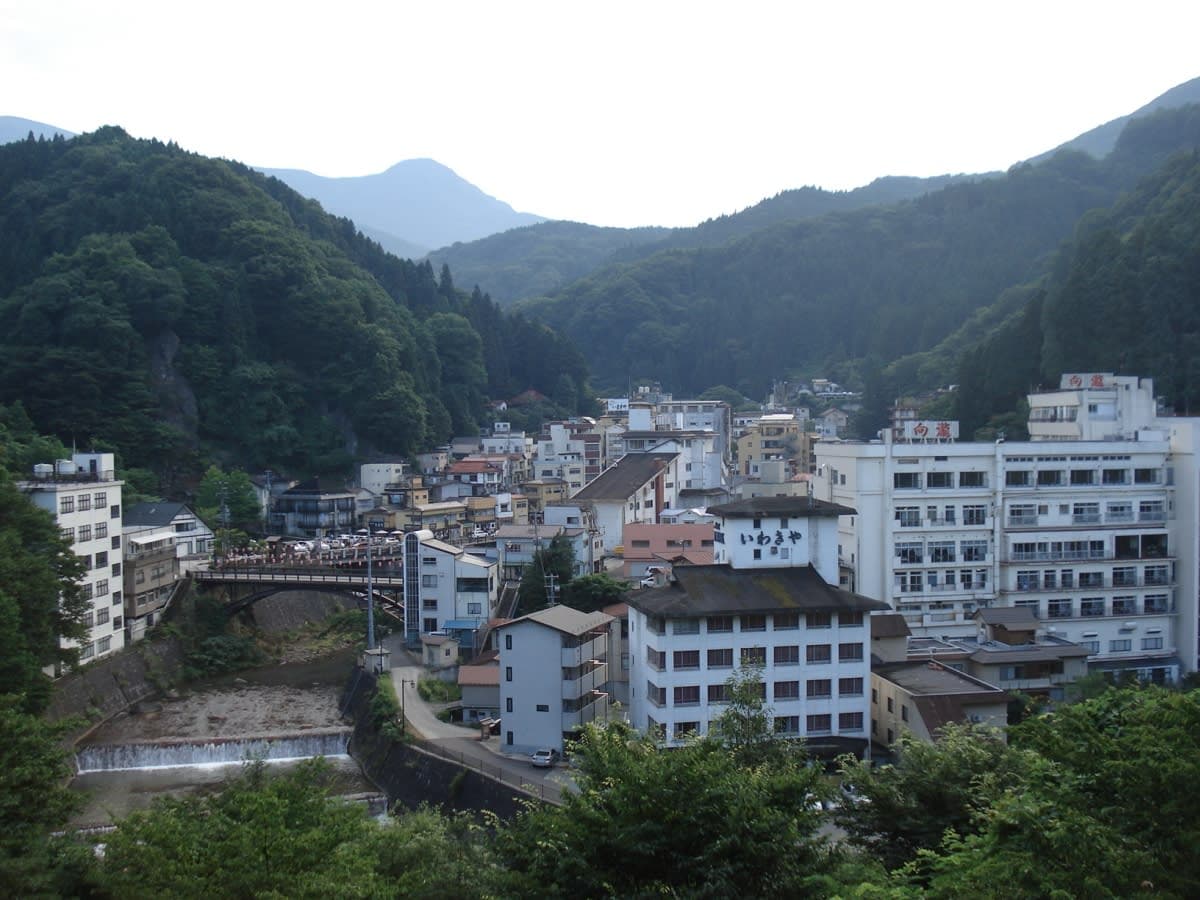
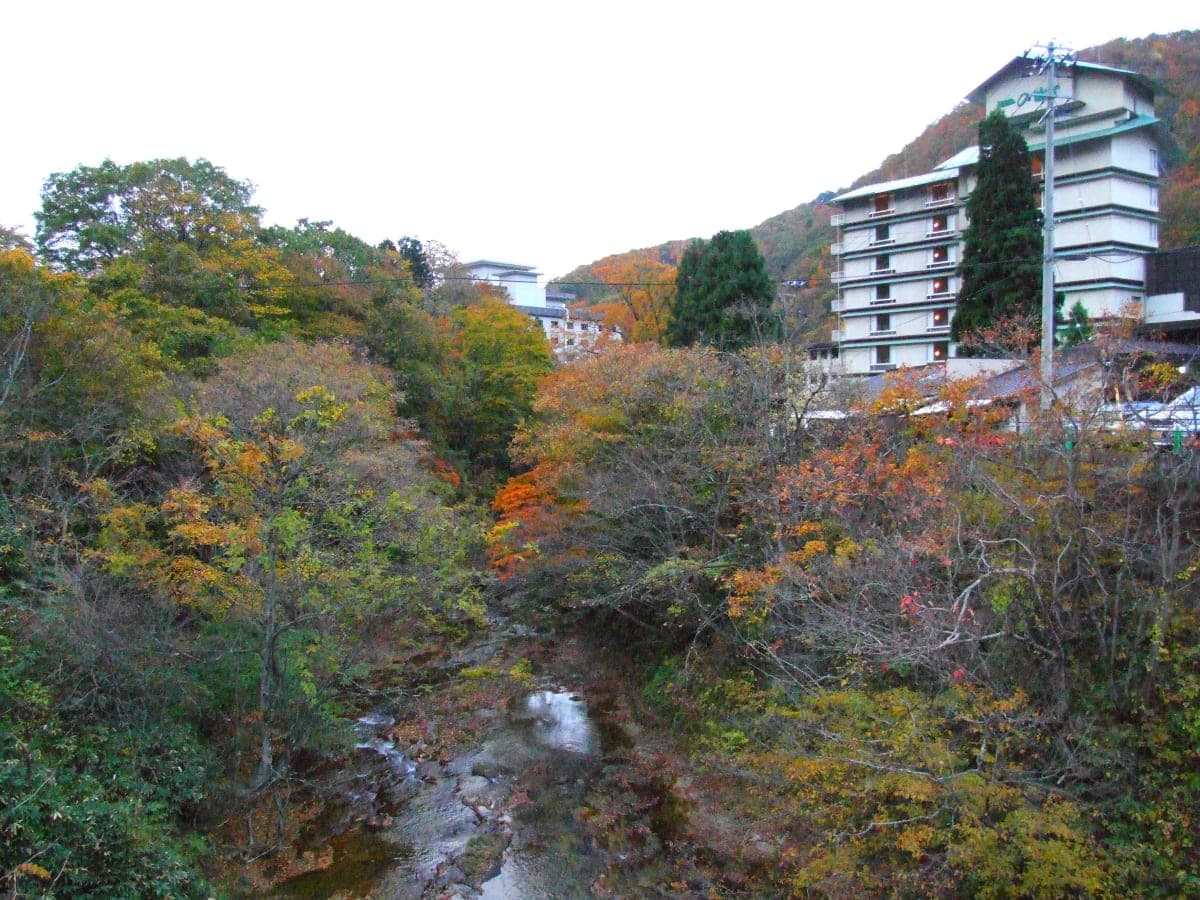
The seven inns at Kindaichi are arranged along the riverbank in a row, close enough together that you can walk from one end to the other in ten minutes. Most allow day visitors to use the baths for a modest fee. The outdoor pools face the Mabechi River and the forest on the far bank, and in autumn the hillsides above the valley go a solid yellow-orange that reflects down into the current. This far north in Tohoku the light gets low early in September and the evenings cool off fast, which makes an outdoor pool beside a slow-moving fossil river one of the more pleasant ways to spend an afternoon.
How this spring compares
pH level
8.0
More alkaline than74% of Japan springs
More acidic than22% of Japan springs
Japan median7.3
Japan range1.2–11.3
n=121 springs
Max temperature
34°C
Hotter than4% of Japan springs
Japan median60°C
Japan hottest105°C
n=122 springs
Getting there
Take the Tohoku Shinkansen to Ichinohe Station, then a local bus to Ninohe. From Ninohe, take a taxi or bus to Kindaichi Onsen. Alternatively, take the Shinkansen to Morioka and then a local train to Ninohe Station.
Amenities
Towel rental
Locker
Restaurant
Café
Parking
Wheelchair access
English spoken
Tattoo-friendly
Private bath
Soap provided
Hair dryer
Location & nearby
Kintaichi Onsen, Kintaichi, Ninohe, Iwate 028-5711
Ninohe Station · 6 kmShinkansen
Kintaichi-Onsen Station · 1.5 km
Tomai Station · 4.7 km
Metoki Station · 4.3 km
金田一温泉郷(バス) · 0.2 km
Misawa Airport · 42.1 km
Aomori Airport · 70.2 km
Kanadaichi Onsenkyo (Bus Stop) · 0.2 km
Yazawa (Bus Stop) · 1 km
Kandaichi Clinic Station · 1.1 km
Book a stay nearby
Hotels near Kindaichi
4+ optionsSpringsAtlas may earn a commission from bookings made through these links.
More springs in Tohoku
1 / 13


Last verified:
Data: OpenStreetMap (ODbL) · local tourism agencies
Unverified listing