
Mixed · Indoor & Outdoor · ¥1,000
50–60°CWater temp
7.5pH
¥1,000 (~$7)Entry fee
MixedBathing type
—Opening hours
About this spring
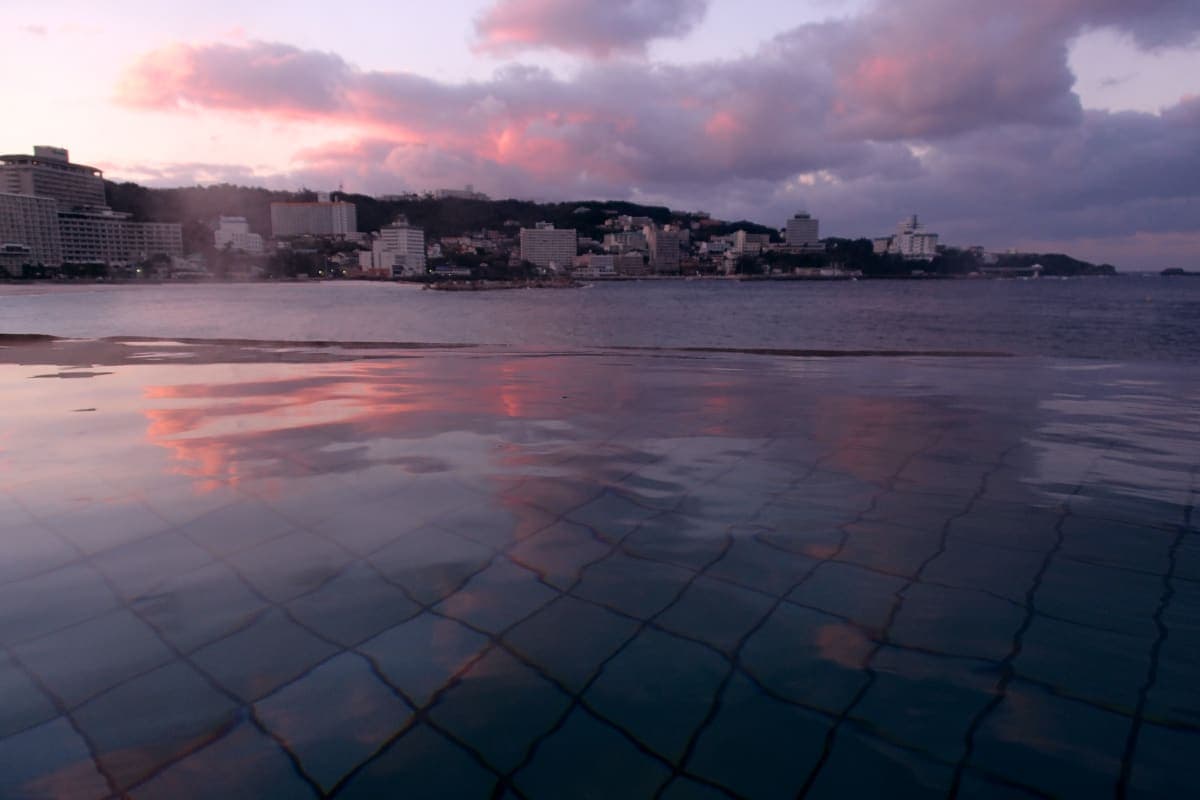
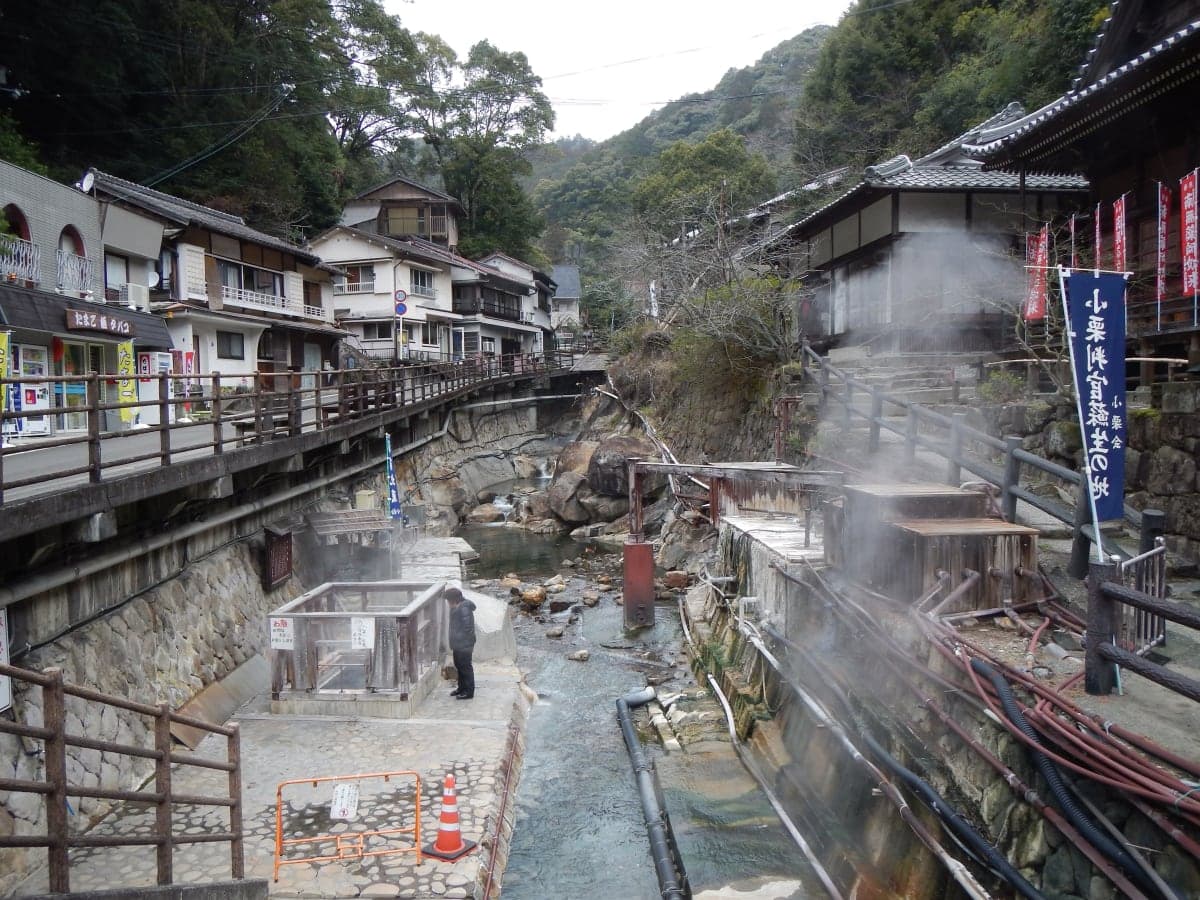
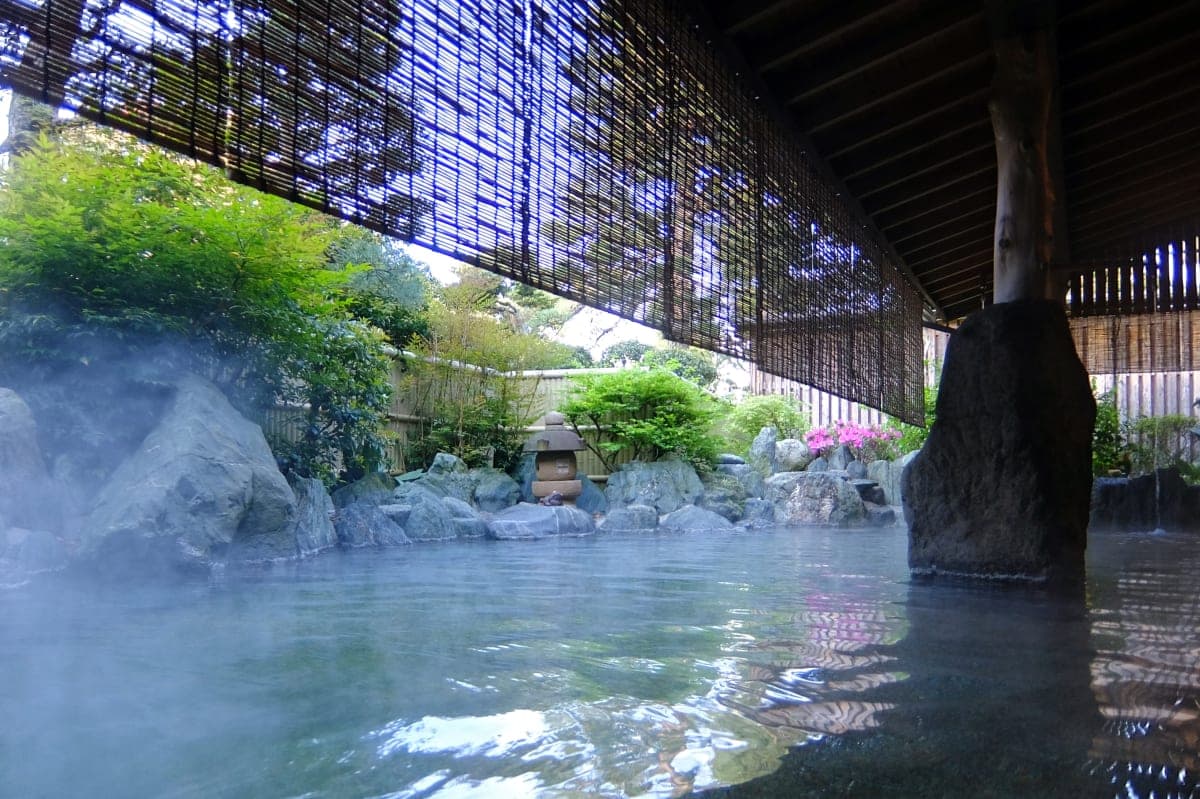
A lakeside hot spring resort on the northern shore of Lake Togo in Tottori Prefecture. The ryokan here are built on reclaimed land over the lake itself, and some rooms have windows from which you can fish directly into the water. Fog often drifts across the lake surface where hot spring water seeps up from below, creating a dreamlike morning atmosphere.
Data: Wikipedia (CC BY-SA 4.0) · OpenStreetMap (ODbL)
Highlights
- Fish from room windows
- Morning lake fog
- Baths over Lake Togo
- Within Misasa-Togoko Natural Park
Suitability
Tattoo policy
Not permitted
Children policy
Family-friendly
Altitude
5m
Mineral chemistry
Sodium Chloride (Salt)
Benefits
Sodium chloride springs — essentially natural saltwater baths — are celebrated for their warming and moisturising effects. The salt forms a thin film on the skin after bathing that slows moisture evaporation, keeping skin hydrated longer than a freshwater bath. This "heat-retaining" property means bathers stay warm for significantly longer after leaving the water, making these springs especially popular in winter. Salt springs are among the most accessible for first-time onsen visitors.
Note
Those with high blood pressure or heart conditions should consult a doctor before bathing, as the warming effect increases circulation. Avoid immersing open wounds. The salt will sting slightly in eyes — take care when submerging.
Calcium Chloride
Benefits
Calcium chloride springs share the heat-retaining property of sodium chloride springs but with a stronger warming effect due to the divalent calcium ion. They are prized for muscle and joint relief — the combination of heat retention and calcium's role in muscle function makes them a popular choice for athletes and those with chronic musculoskeletal complaints. The water has a slightly bitter mineral taste.
Note
The strong warming effect means those with cardiovascular conditions, high blood pressure, or pregnancy should limit soak duration and consult a doctor if in doubt. Avoid entering immediately after vigorous exercise — let your heart rate normalise first.
History
The earliest historical reference to this area as Hawaida dates to a document of 1258, suggesting medieval knowledge of the geothermal activity here.
Fishermen first noticed warm water rising from the lake bottom in 1843. Formal development began in 1866 when Kosuke Yumura used bamboo tubes to extract the spring water for bathing, and later reclaimed land from the lake to build a ryokan. The area was known as Asozu Onsen until its modern development.
Local guide
Coming from Tottori City, the Sanin Main Line follows the coast westward until it reaches Hawai Onsen Station, where you step onto a platform so close to Lake Togo that you can see the water immediately. The town name is not a typo or a tourism gimmick. It was the name of the area long before Hawaii became a well-known word outside the Pacific, and the official spelling in English omits the second i. Local shopkeepers have long since learned to find the confusion amusing. The lake itself is shallow and warm, fed partly by hot spring water rising from the lakebed, and the fog that rolls across it on cool mornings comes directly from the heat differential between the spring-warmed water and the air above.
Hawai Onsen was formally developed starting in 1866, when a man named Kosuke Yumura ran bamboo tubes from a spring vent beneath the lake to supply his first bathhouse. The fishermen in the area had noticed the lake water running warm in certain spots as far back as 1843, though documentary records of the region go back to 1258. The spring type is sodium and calcium chloride, with temperatures between 50 and 60 degrees at the source. In the bath, the water is clear and carries a faint salinity. The calcium content gives it a slight weight and leaves the skin feeling sealed against the cold after you climb out, which matters in a lakeside town where the wind comes off the water in autumn.
The most distinctive feature of the town is the Bokoro ryokan, which opened in 1931 and sits on a small reclaimed platform above the lake surface. You reach it by crossing a red bridge from the shore, and the outdoor bath positioned over the water gives the impression of floating between two open skies. Several other inns in the town have fishing lines hanging from their room windows directly into the lake below. In the evenings, guests actually use them. Down the main street, the footbath system known as the Baths of the Seven Lucky Gods connects seven separate ashiyu basins, each one named for a different deity, linked by a walking route through the town.
The train ride from Tottori Station to Hawai Onsen takes about thirty-five minutes. The hot spring area is small enough to walk entirely, and the lake path that circles the shore connects Hawai Onsen to the adjacent Togo Onsen district in under twenty minutes. Both areas sit within the Misasa-Togoko Prefectural Natural Park, and on clear days the low hills behind the lake reflect clearly enough in the water to make it hard to tell where the shoreline actually is.
How this spring compares
pH level
7.5
More alkaline than56% of Japan springs
More acidic than36% of Japan springs
Japan median7.3
Japan range1.2–11.3
n=121 springs
Max temperature
60°C
Hotter than49% of Japan springs
Japan median60°C
Japan hottest105°C
n=122 springs
Getting there
Take the JR San'in Main Line to Matsuzaki Station. From Tottori City the ride takes about 1 hour. The Hawai Onsen district is about 4 kilometers from the station. Take a local bus or short taxi to the lakeside ryokan.
Amenities
Towel rental
Locker
Restaurant
Café
Parking
Wheelchair access
English spoken
Tattoo-friendly
Private bath
Soap provided
Hair dryer
Location & nearby
Hawai Onsen, Yurihama, Tōhaku District, Tottori
Kurayoshi station · 4 km
Okayama Station · 90.5 kmShinkansen
Shimohōjō Station · 6.8 km
Tomari Station · 5.9 km
Matsuzaki Station · 2 km
Tottori Airport · 26.1 km
Yonago Kitaro Airport · 58.7 km
すいか空港 · 16.9 km
Hawai Onsen · 0 km
Hawai Yu-Town · 0.5 km
Kami Asozu · 0.5 km
Book a stay nearby
Hotels near Hawai
14+ optionsSpringsAtlas may earn a commission from bookings made through these links.
More springs in Kansai
1 / 13



Last verified:
Data: OpenStreetMap (ODbL) · local tourism agencies
Unverified listing