
Public · Outdoor · ¥230
3.8· 83 reviewsvia Google
45–59°CWater temp
7.5pH
¥230 (~$2)Entry fee
PublicBathing type
—Opening hours
About this spring
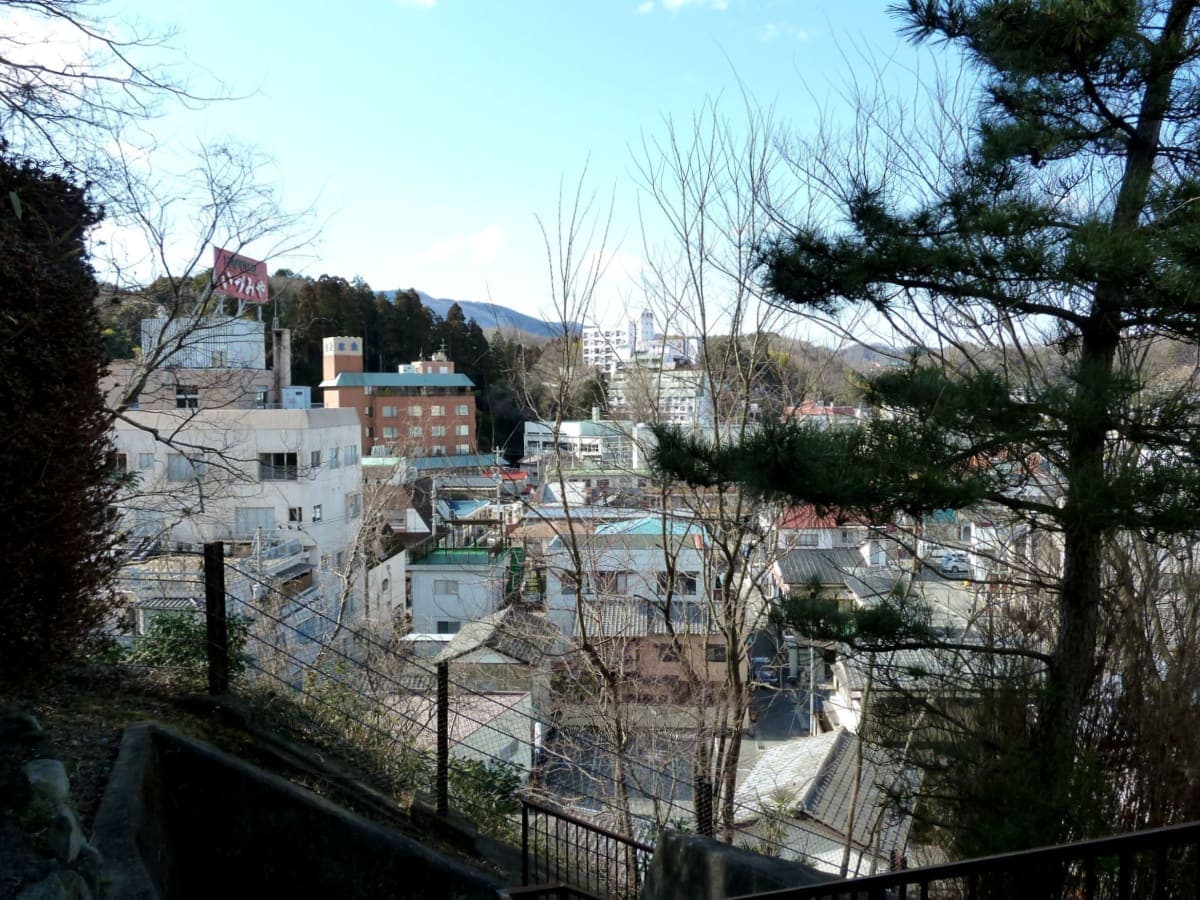
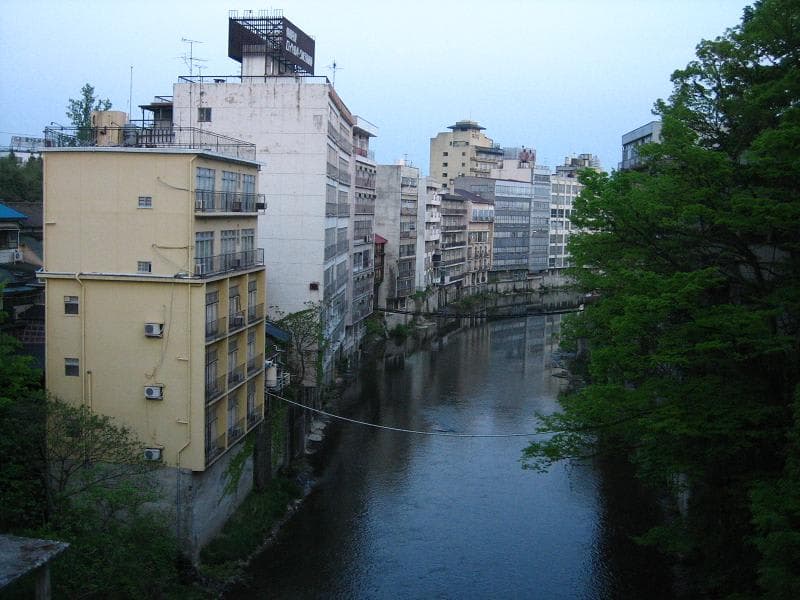
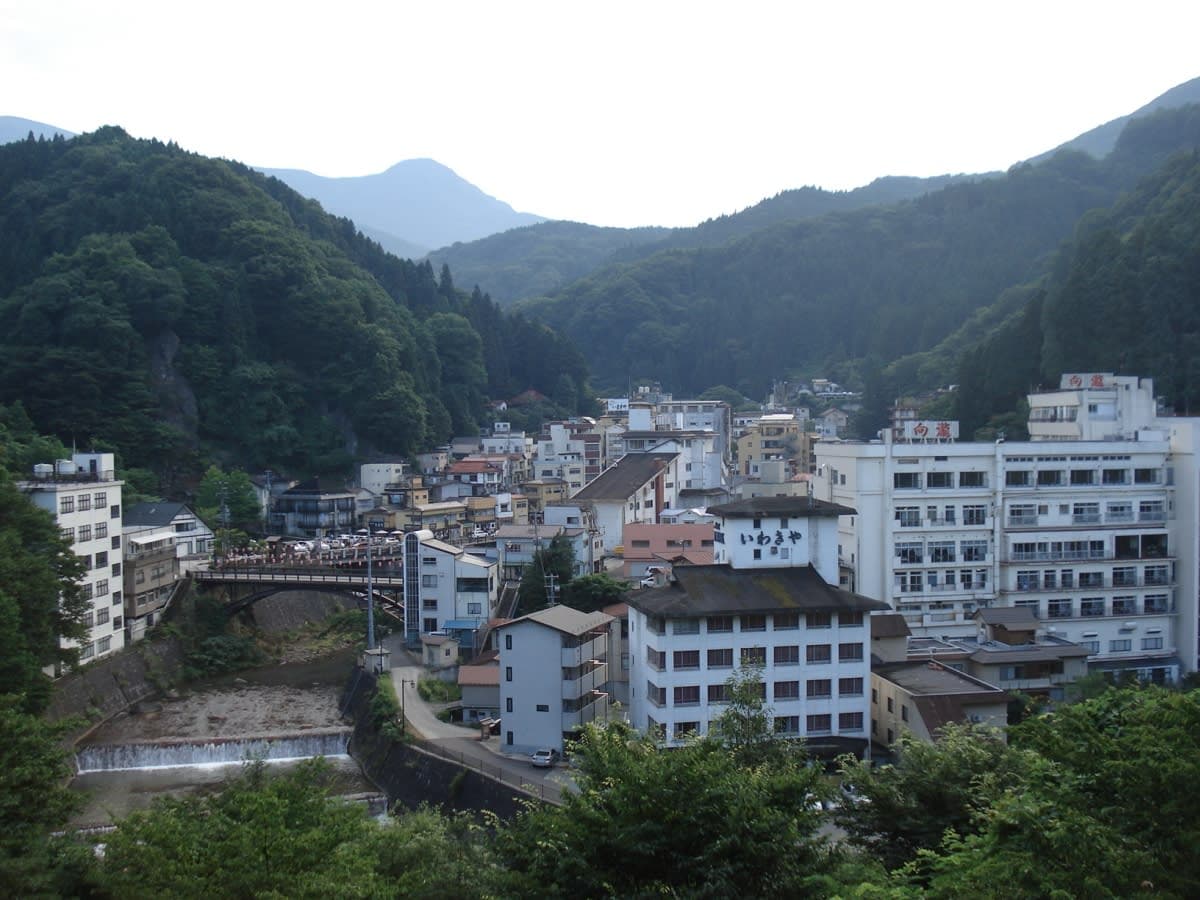
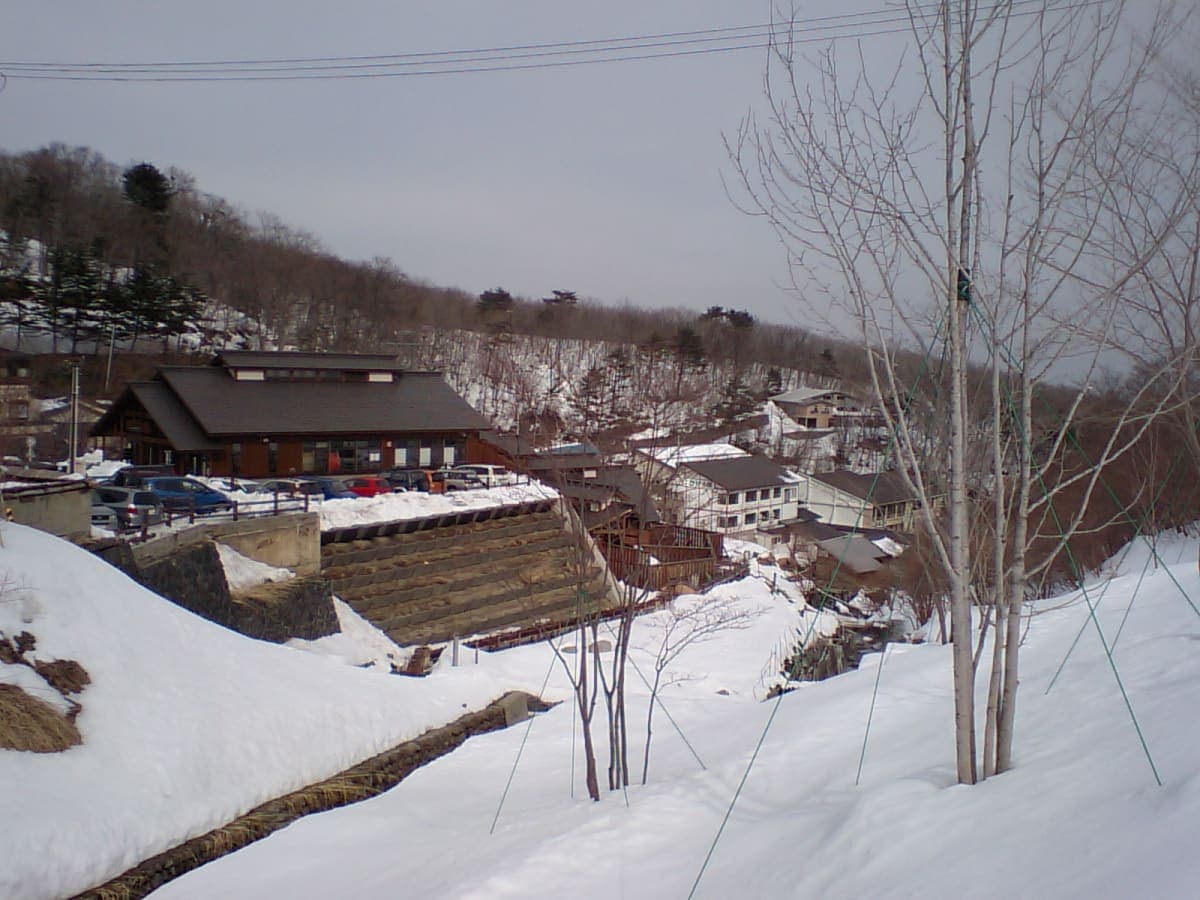
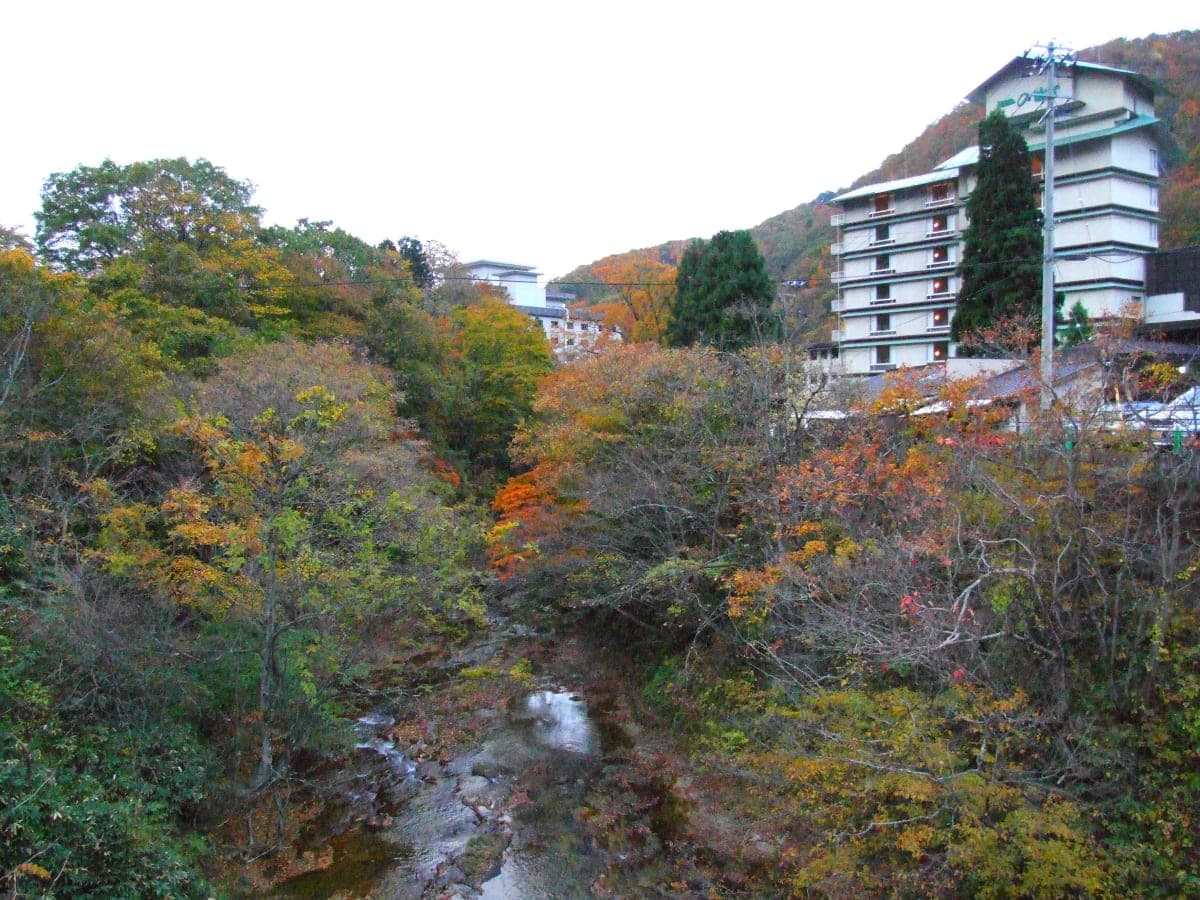
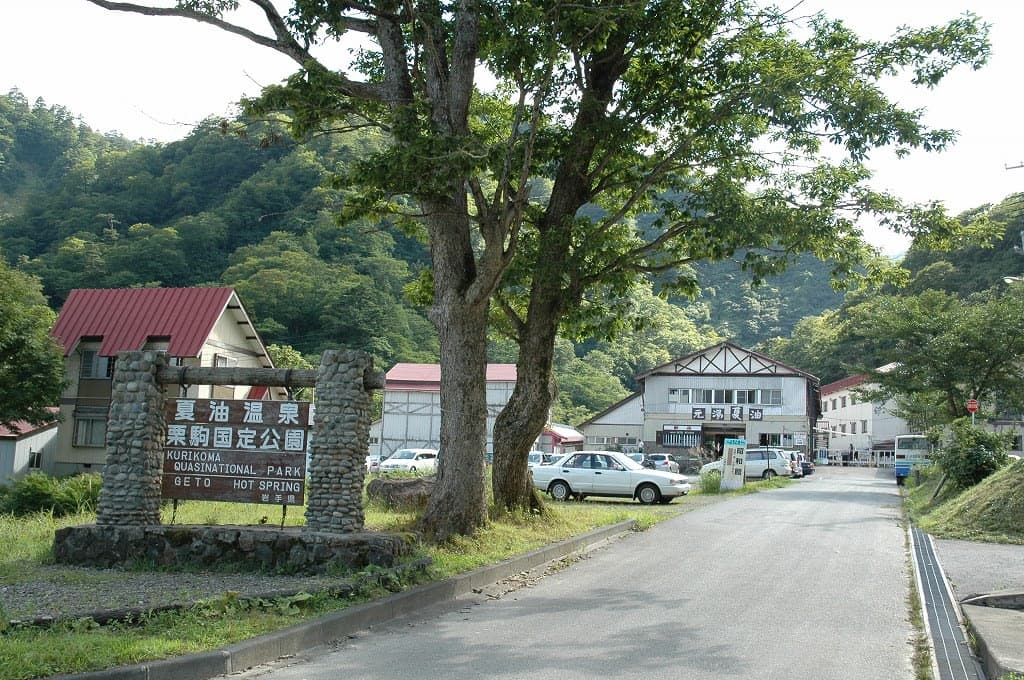
A deep forested valley in the Shimokita Peninsula at the northern tip of Honshu. Three clusters of hot spring inns line the Ohatake River: Shimo-Yagen, Naka-Yagen, and the remote Oku-Yagen further upstream. The valley is quiet, wild, and genuinely off the tourist trail.
Data: Wikipedia (CC BY-SA 4.0) · OpenStreetMap (ODbL)
Highlights
- Wild river valley
- Kappa water-sprite legend
- Three distinct clusters
- Near sacred Mt. Osorezan
Suitability
Tattoo policy
Not permitted
Children policy
Family-friendly
Altitude
80m
Mineral chemistry
Simple Thermal
Benefits
Simple thermal springs (単純温泉) have a lower dissolved mineral content than other spring types but are valued for the pure therapeutic effect of heat immersion itself. The warmth increases core body temperature, promotes sweating, eases muscle tension, and improves peripheral circulation. Simple thermal springs are the most common onsen type in Japan and are recommended as the gentlest introduction to onsen bathing — suitable for a wide range of health conditions and ages.
Note
Simple thermal springs are the most broadly accessible onsen type. Standard precautions apply: avoid bathing within 30 minutes of eating, keep soaks to 10–15 minutes for first-timers, and hydrate before and after.
History
The founding of Yagen is linked to 1615, the year of the summer siege of Osaka Castle.
A warrior named Jouchi Kurataro fought on the losing Toyotomi side, then fled northward through Japan's backcountry until he found this remote valley. He discovered the springs and established the first bath. The name Yagen comes from the pestle-shaped mortar used in traditional herbal medicine: the V-shaped valley was said to resemble it. The upper springs have an older legend. Around 862, the monk Jikaku Daishi, who founded the sacred Mount Osorezan on the same peninsula, is said to have fallen from a cliff and been healed when a kappa water sprite drew him into the hot spring pool. The outdoor baths named Ganso Kappa-no-Yu still sit at that spot.
Local guide
Getting to Yagen Onsen requires a genuine commitment to going somewhere remote. From Aomori Station you take a series of trains and buses north across the Shimokita Peninsula, up through the sugi forest and past the volcanic shores of Lake Usori near Osorezan, and then down the other side into the Yagen Valley. The road runs along the Ohata River through a forest of cypress, beech, and maple, and the light changes character well before the first bath appears. About six and a half kilometers from the nearest station, in a narrow river valley that sees very little passing traffic, the onsen village sits against the hillside.
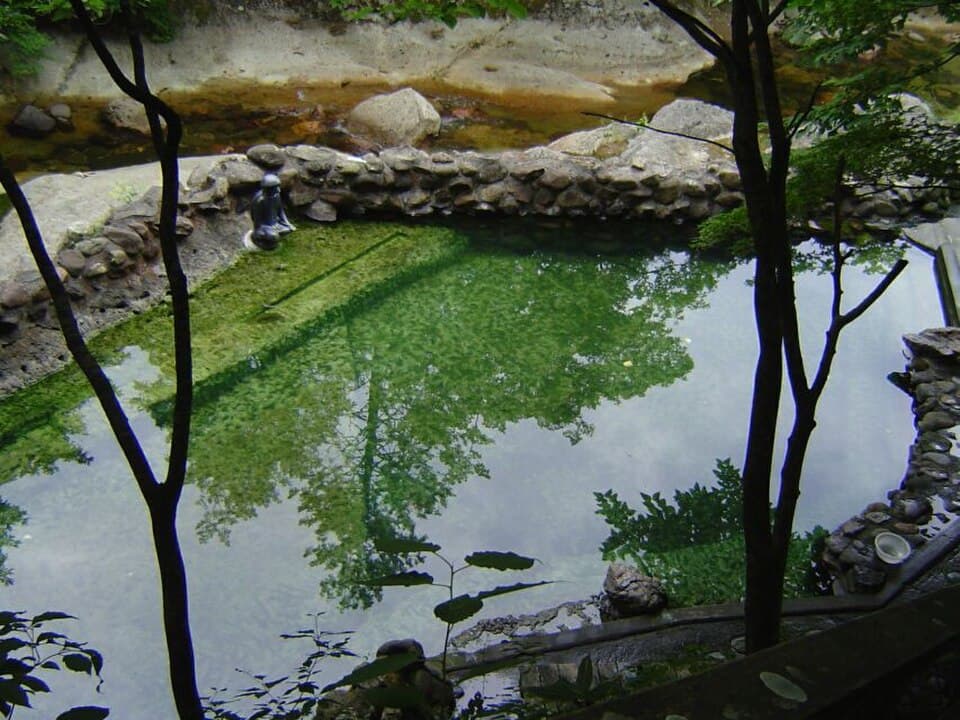
Yagen runs three separate bathing areas spread along the river over a short stretch of path, and each one has a different temperature and character. The first outdoor bath you reach is Kappa-no-yu, a free, open-air pool cut directly from the riverside rocks where the hot spring seeps up through the riverbed. The second area, Fufu-Kappa-no-yu, divides into a men's side and a women's side along the same stretch of river. Further up the valley, at the municipal rest house, a third facility handles the indoor bathing. The source water comes out between 45 and 59 degrees Celsius, and the pH of 7.5 makes it neutral and gentle, good for long soaks without the skin irritation you get from more acidic springs.
The water at Kappa-no-yu is one of the most visually striking in Tohoku. Where the hot spring meets the cold Ohata River the color is a pale blue-green, like shallow seawater over sand, and the bottom is visible through it even at depth. You sit among actual river stones, with the current audible a meter away, and the forest pressing in from both banks above you. In autumn, when the maples turn red and orange across the valley walls, and the steam from the bath rises into the cold air, the visual combination is something that justifies the long journey by itself.
The peninsula's remote character is part of what makes this valley feel so different from accessible onsen. There are no crowds here even in peak season, no souvenir shops, and the accommodation is limited to a small number of simple inns. The surrounding forest has walking trails and several waterfalls along the four-kilometer path toward Oku-Yagen. This is a place for people who actually want to disappear for a while.
How this spring compares
pH level
7.5
More alkaline than56% of Japan springs
More acidic than36% of Japan springs
Japan median7.3
Japan range1.2–11.3
n=121 springs
Max temperature
59°C
Hotter than48% of Japan springs
Japan median60°C
Japan hottest105°C
n=122 springs
Getting there
Take the Tohoku Shinkansen to Hachinohe Station, then transfer to the Aoimori Railway to Shimokita Station. From there, take a local bus toward Ohata Town and then onward to Yagen Onsen. Allow at least 3 hours total from Tokyo.
Amenities
Towel rental
Locker
Restaurant
Café
Parking
Wheelchair access
English spoken
Tattoo-friendly
Private bath
Soap provided
Hair dryer
Location & nearby
Yagen Ohata, Mutsu, Aomori 039-4401
Okutsugaru-Imabetsu Station · 60.3 kmShinkansen
Ominato Station · 13.7 km
Akagawa Station · 17.3 km
Shimokita Station · 14.9 km
Hakodate Airport · 48.6 km
Aomori Airport · 79 km
Osorezan · 6.5 km
Taikobashi Mae · 6.7 km
Kinoppu Toge · 7.9 km
Book a stay nearby
Hotels near Yagen
4+ optionsSpringsAtlas may earn a commission from bookings made through these links.
More springs in Tohoku
1 / 13


Last verified:
Data: OpenStreetMap (ODbL) · local tourism agencies
Verified listing